
A group of women playing American Mahjong (Photo by Amy Chodroff)
Looking for a game that exercises your mind, feeds your social life, and brings a unique twist to game night? American Mahjong could be the perfect fit! Combining strategy, pattern recognition, and an element of luck, Mahjong has a long history and a fresh, modern appeal.
Originally rooted in Chinese culture, Mahjong became a cherished pastime in Jewish-American communities in the 1920s and is now gaining popularity across diverse backgrounds and generations.
The Mental Benefits of Mahjong
Unlike many games that rely on pure chance, Mahjong requires strategic thinking, memory, and adaptability. A recent scoping review published in The Journal of Prevention of Alzheimer’s Disease in 2024 confirms that playing Mahjong offers substantial cognitive and social benefits for older adults. Analyzing data from multiple studies, the review found that regular Mahjong players demonstrate improved memory, cognitive flexibility, and slower rates of cognitive decline. The findings suggest that Mahjong, especially when played consistently, could be protective against cognitive impairments like dementia. Additionally, the social aspect of the game offers further mental health benefits by reducing feelings of loneliness.
Mahjong has also been shown to reduce symptoms of depression. A recent study shows that regularly playing Mahjong was linked to reduced depression rates among middle-aged and older Chinese adults, according to researchers at the University of Georgia. Based on these findings, playing Mahjong is a great way for you to keep your brain engaged, strong, and happy.
A Social Game with Heart
Mahjong’s value extends beyond individual mental gains; it also builds community. Unlike solo puzzle games or brain teasers, Mahjong is best enjoyed in a group, providing the perfect setting for laughter, conversation, and bonding. This unique social dynamic allows players to reconnect with friends or make new ones, deepening relationships that play a crucial role in overall well-being. Many regular Mahjong groups evolve into close-knit communities, offering an ongoing support network that extends beyond game time.
Melissa Serpa, an empty nester from The Colony, Texas, is a prime example of the social power of Mahjong. For her, it’s more than just a game; it’s a way to stay connected with friends and enjoy quality time in a busy world.

“I love playing to spend time with friends, catch up, and just have a good time together,” says Serpa.
Melissa’s journey with Mahjong began two years ago with a challenge. Learning the game was no small feat, but thanks to a patient neighbor and some online tutorials, she’s now an avid player who looks forward to each weekly game.
American vs. Traditional
While Mahjong originated in China, the American version has evolved with unique twists that make it especially engaging. Traditional Chinese Mahjong uses 144 tiles and is usually played without the jokers and specific winning combinations characteristic of the American version.
The American game includes 152 tiles, adding joker tiles and an annual card from the National Mahjong League (NMJL) that sets winning hand patterns for the year. This annual update brings a fresh challenge each season, allowing players to learn and adapt to new strategies and combinations. The variation keeps American Mahjong dynamic and appealing, encouraging both seasoned players and beginners to hone their skills with each new card.
Getting Started with American Mahjong
If you’re new to Mahjong, don’t worry – it’s easier than it sounds!
The NMJL card might look complex initially, but beginner guides and online tutorials can quickly make it second nature. The NMJL website is a great place to start, offering the annual card each March, available in regular or large print for convenience.
Melissa’s advice for beginners? “Go for the large print card; it’s easier on the eyes, especially when you’re learning!” she says with a laugh.
Many long-time players agree this tip can make gameplay more enjoyable, especially during those intense, late-night rounds.
To truly enjoy Mahjong, you don’t need to rush into advanced strategy right away. Start by learning basic tile combinations and patterns, and take time to study the new card each year. You’ll find yourself picking up the nuances of the game with practice, gaining confidence as you play.
Finding Your Community
One of the best things about Mahjong is the camaraderie it fosters. Thanks to social media and local community boards, finding a game near you has never been easier. Community centers, senior centers, libraries, and cultural organizations often host Mahjong meetups where both beginners and experienced players are welcome.
Websites like Meetup.com are also fantastic resources for finding local groups. In cities with large Jewish communities, synagogues may host weekly games, making it easy to connect with others who enjoy the game.
Playing Mahjong Online: Practice Anytime, Anywhere
If you don’t have a local group or want to play more often, online Mahjong offers a convenient alternative. Apps like Real Mahjongg provide authentic American Mahjong experiences that allow players to practice solo or join virtual games with friends. Playing online is a great way to get comfortable with the rules, try out different strategies, and improve your skills.
Many players, including Serpa, find playing online is a fantastic way to stay sharp.
“Sometimes, I play online just to practice and work on my strategy,” she explains. “It’s like a mini mental workout and it’s fun, too!”
Some online platforms are free, while others offer paid subscriptions that unlock additional features, making it easy to find an option that fits your needs.
Investing in Your Own Set
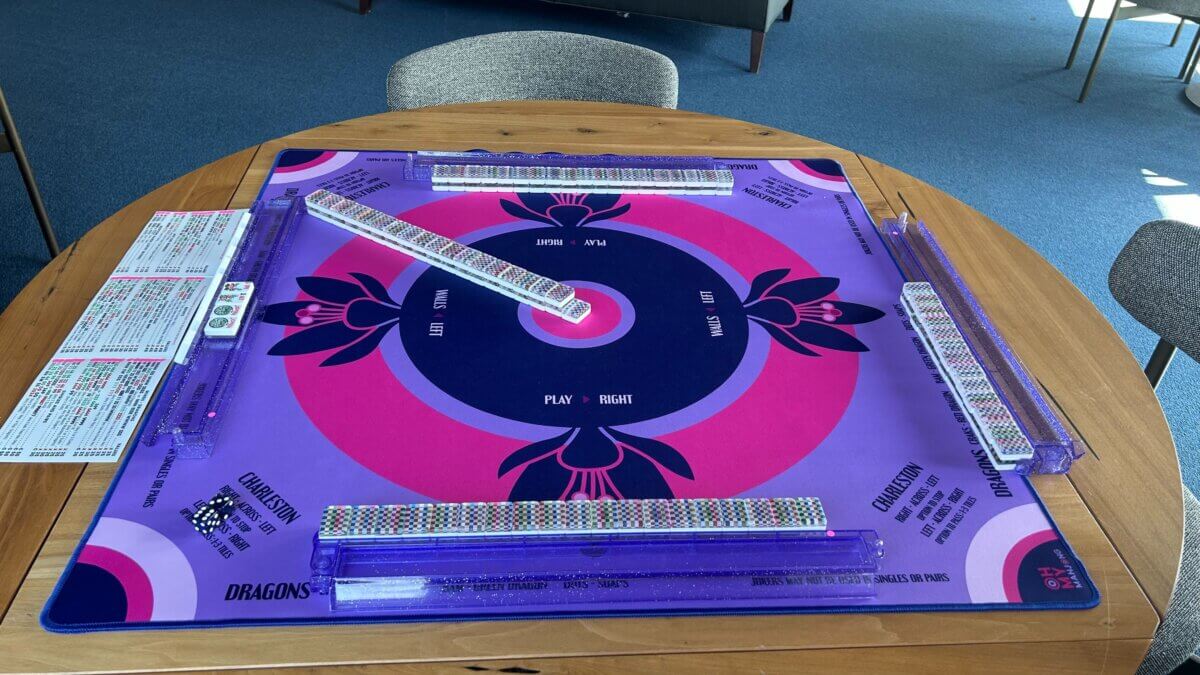
Buying your own Mahjong set allows you to bring the game home and host your own game nights. Sets are widely available online on sites like Amazon, Walmart, and Yellow Mountain Imports, with various materials and designs to suit your taste. Some players prefer classic bamboo sets, while others go for modern acrylic tiles with vibrant colors.
A complete American Mahjong set includes 152 tiles, racks, dice, and instructions, usually packaged in a case for easy transport.
More Than a Game: Mahjong as a Lifelong Passion
Mahjong’s blend of mental challenge, strategy, and social interaction has made it a beloved hobby for many. As players develop their skills, they also develop deep friendships.
For Serpa, Mahjong has become more than a pastime – it’s a cherished ritual that brings her closer to friends and keeps her mind engaged.
“I’d play every day if I could,” she jokes. “Mahjong is life!”
Whether you’re a beginner or a seasoned player, Mahjong offers something for everyone, making it the game you didn’t know you needed but won’t want to miss.
Note: This article was not paid for nor sponsored. StudyFinds is not connected to nor partnered with any of the brands mentioned and receives no compensation for its recommendations. This article may contain affiliate links in which we receive a commission if you make a purchase.


