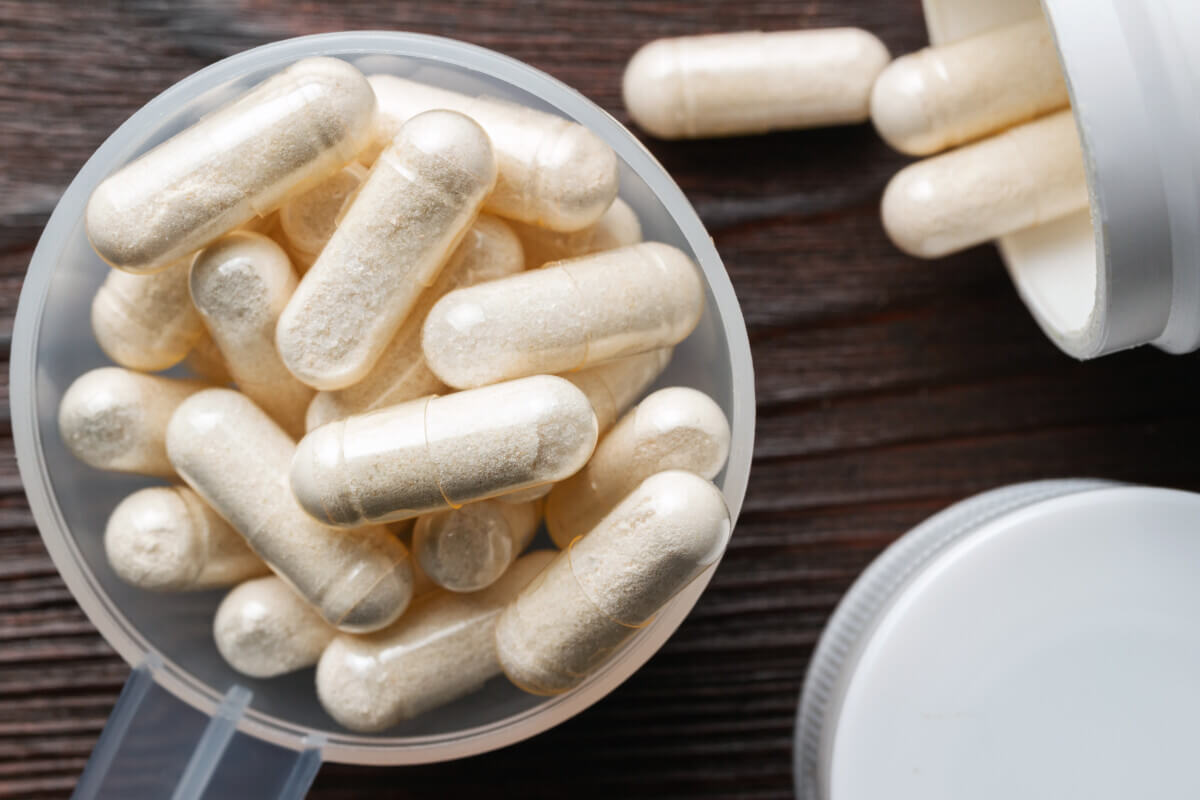
(© O.Farion - stock.adobe.com)
GAINESVILLE, Fla. — Imagine a world where a simple supplement could significantly improve your ability to walk, particularly for those suffering from the debilitating effects of peripheral artery disease. This vision is moving closer to reality, according to a new study published in Nature Communications. Researchers from the University of Florida have discovered that nicotinamide riboside, a form of vitamin B3, can significantly enhance a PAD patient’s mobility.
Specifically, patients who took nicotinamide riboside supplements every day for six months saw their walking ability increase by more than 57 feet compared to participants who took a placebo. As expected, the team found that walking speed also dropped among participants who did not use the supplements. Peripheral artery disease is a condition that sees blood vessels narrow, reducing blood flow to the limbs. This leads to progressively worsening walking performance over time.
Methodology
The study, named the NICE trial, was a meticulously designed, double-blind randomized clinical trial. Researchers enrolled 90 participants with PAD and divided them into three groups. Each group received either a daily dose of 1,000 mg of nicotinamide riboside, the same dose of NR combined with 125 mg of resveratrol, or a placebo. The supplementation lasted for six months, with researchers measuring the walking distance participants could comfortably manage for six minutes at both the beginning and end of the trial. The methodology ensured that any improvements in walking performance were directly attributable to the supplements.
Results
The findings of the NICE trial were both promising and specific. Participants who took NR alone saw an average improvement of 17.6 meters in their six-minute walking distance after six months, compared to a decline in the placebo group. This improvement was even more pronounced in participants who strictly followed the supplementation regimen, with gains of up to 31 meters (over 101 feet). Interestingly, adding resveratrol to NR provided no additional benefits, suggesting that NR alone was sufficient to produce significant improvements.
Resveratrol is part of a group of compounds called polyphenols. Researchers say it contains antioxidants that may protect the body against cancer and heart disease. However, adding it to this trial did not lead to those results.
Discussion and Takeaways
The study’s results are particularly compelling because they offer a potential non-surgical, non-pharmaceutical treatment for PAD, a condition traditionally managed through lifestyle changes and sometimes invasive procedures. The improvements in walking distance are clinically significant, offering a beacon of hope for many patients suffering from this disease. Moreover, the study’s implications extend beyond PAD, as nicotinamide riboside could potentially benefit other conditions characterized by impaired muscle function and energy production.
While the findings are promising, the researchers have called for larger trials to confirm these results and better understand the mechanisms by which NR enhances muscle function in PAD patients.
“We need to test it on a healthy older population before we recommend healthy people take it,” says Christiaan Leeuwenburgh, Ph.D., a UF professor of physiology and aging and senior author of the clinical trial report, in a media release.
StudyFinds Editor Chris Melore contributed to this report.


