
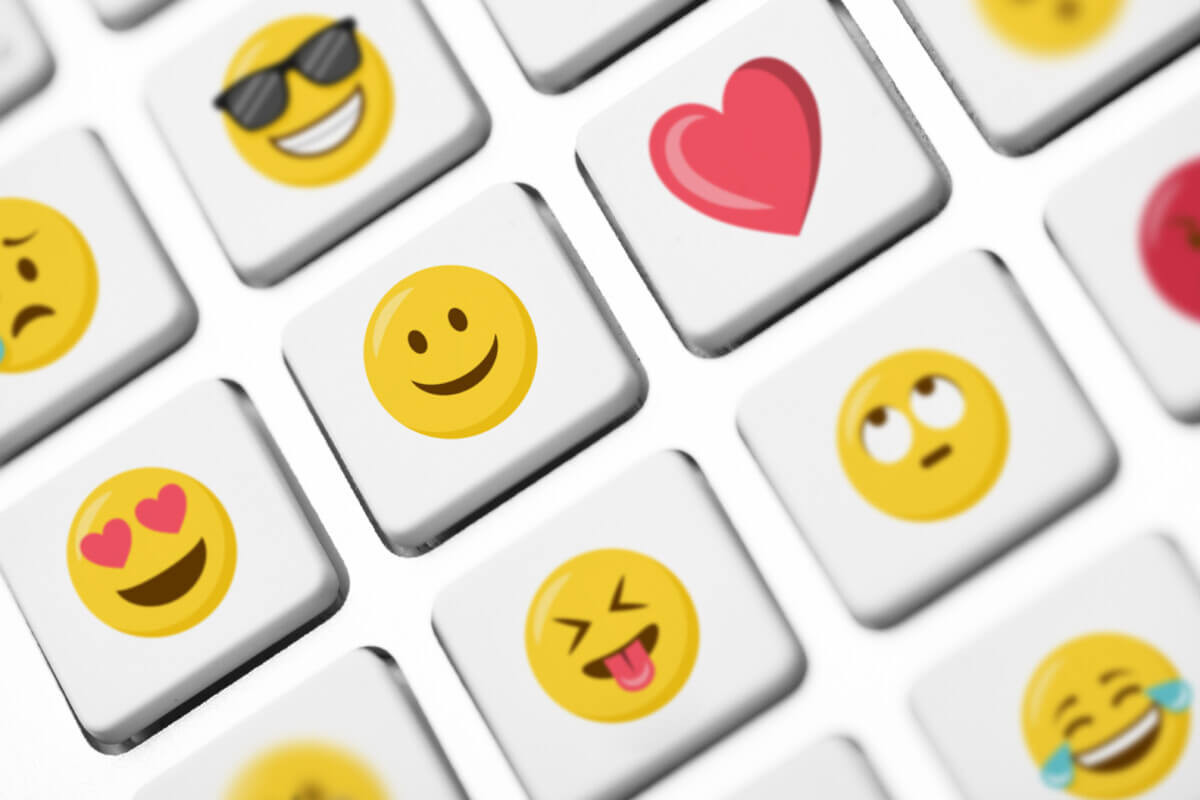
(© pixelliebe - stock.adobe.com)
NEW YORK — Do you find yourself ending every message you send with a smiley face? You’re not alone! Four in 10 Americans believe a text feels naked without an emoji.
The survey of 2,000 Americans over the age of 21 finds that 41% of respondents believe a message needs to include an emoji to be “complete.” Younger respondents were most likely to agree with this statement: 70% of Gen Z said emoji needed to be included within a message, compared to 46% of Gen X. However, messages shouldn’t consist solely of emoji, as 32% said that would be a “conversation killer.”
Conducted by Talker Research in honor of World Emoji Day, the survey also revealed that 58% believe emoji improve how we talk to each other. This is in line with a shift in the cultural lexicon, wherein emoji now are now used to represent emotions people have trouble expressing in words. With that, brands are experimenting with how they can use emoji to communicate, incorporating them into campaigns to ensure they’re “speaking” this new form of language.
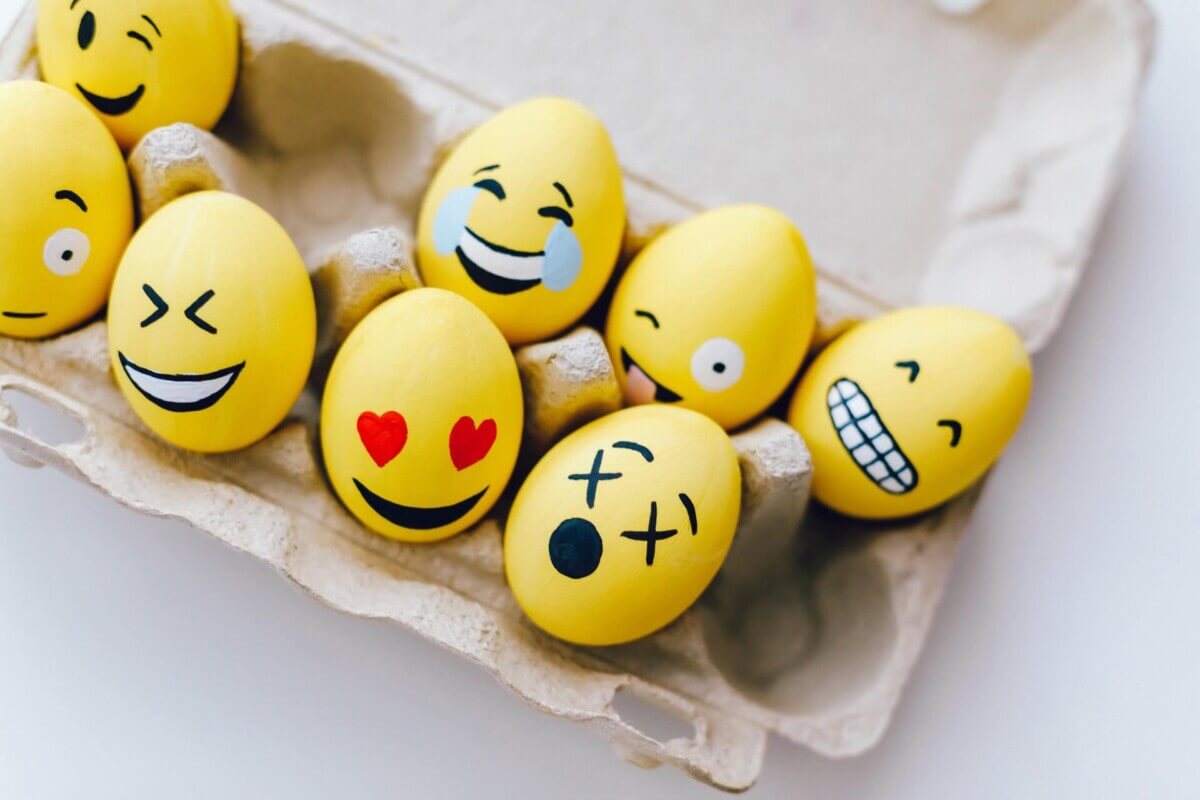
In recognition of the growing role that emoji have in our shared language, Smirnoff has created their own version of the “woman dancing” emoji (????????) and have worked to bring it to life. Smirnoff’s latest campaign has the “emoji,” named Spicy Tam, coming off screens and into the real world, donning her iconic red dress and signature pose. While people might not be able to bring their favorite emoji to life anytime soon, results found they do want even more from their emoji experience.
With the upcoming release of Apple’s iOS 18, which will allow users to create custom emojis using the “Genmoji” feature, respondents were asked if they’d be interested in creating their own emojis.
Thirty-eight percent of those surveyed would like to invent an emoji — and they were asked to share what these new emoji would look like. Notable responses include a “little witch” emoji, a skull with heart eyes emoji and an upside-down emoji with a cowboy hat — while someone else said they’d appreciate “various cocktail emojis.”
The survey finds that 58% of emoji users prefer happy emoji, such as smiling or laughing faces, while 15% gravitate toward sweeter emoji such as hearts or kisses. A small number of respondents (4%) lean toward adding some flavor into their chats by choosing more spicy emoji such as the smirking face or the dancing woman.
Regardless of their preference, with only five percent admitting they don’t use emoji in their daily conversations — it looks like this form of communication is here to stay.
Survey methodology:
This random double-opt-in survey of 2,000 general population Americans was fielded between June 28 and July 2, 2024. It was conducted by market research company Talker Research, whose team members are members of the Market Research Society (MRS) and the European Society for Opinion and Marketing Research (ESOMAR).


