
A Border Collie that ripped up paper (Photo by Julia Zavalishina on Shutterstock)
Are you thinking about getting a dog for the first time? It’s exciting, but picking the right breed can be tough. While all dogs can be loving companions, some breeds are easier for first-time pet owners to handle than others. Knowing which breeds might be tougher to manage ahead of time can help you find the perfect pup to match your lifestyle and set you up for a happy life together. We’ve taken some guesswork out of the process and compiled a list of the worst dogs for first-time owners, based on expert opinions across eight websites. It’s not that these dogs aren’t lovable – they just might be better suited for experienced pet owners. Did we miss a breed you wish we added to the list? Comment below.
StudyFinds is a research-driven platform that analyzes and synthesizes expert recommendations from trusted sources. Rather than writing reviews ourselves, we meticulously compile consensus findings from leading industry experts and established publications to save consumers valuable research time. Each article represents hours of analysis across multiple authoritative sources to identify the most consistently recommended choices.
Experts say these are the worst dogs for rookies:
1. Border Collie
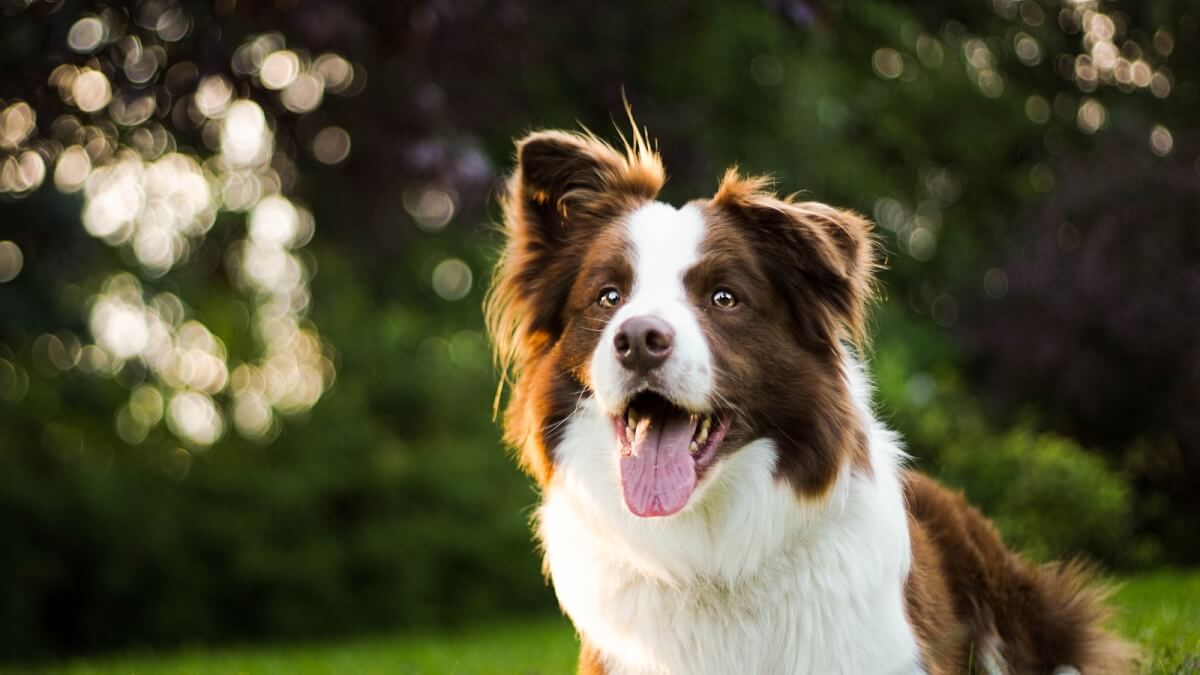
Border Collies top our list because they need up to two hours of exercise daily, making them a challenge if you work all day and come home tired. According to Dogster, these dogs can chew furniture, scratch walls, and break house training if they don’t get enough exercise.
BeChewy agrees, saying first-time pet owners who don’t keep their Border Collies “sufficiently stimulated” will see them develop behavioral issues. These dogs need plenty of space to run, so if you live in a small apartment, or don’t have a large backyard choosing another breed is probably best.
Additionally, Border Collies are super smart and need lots of mental stimulation, which can be tough even for experienced dog owners. Hepper points out that their high energy levels make it challenging to meet their exercise needs. While loving and friendly, their natural herding instincts can lead to nipping, making them a bit much for first-time dog owners.
2. Chow Chow
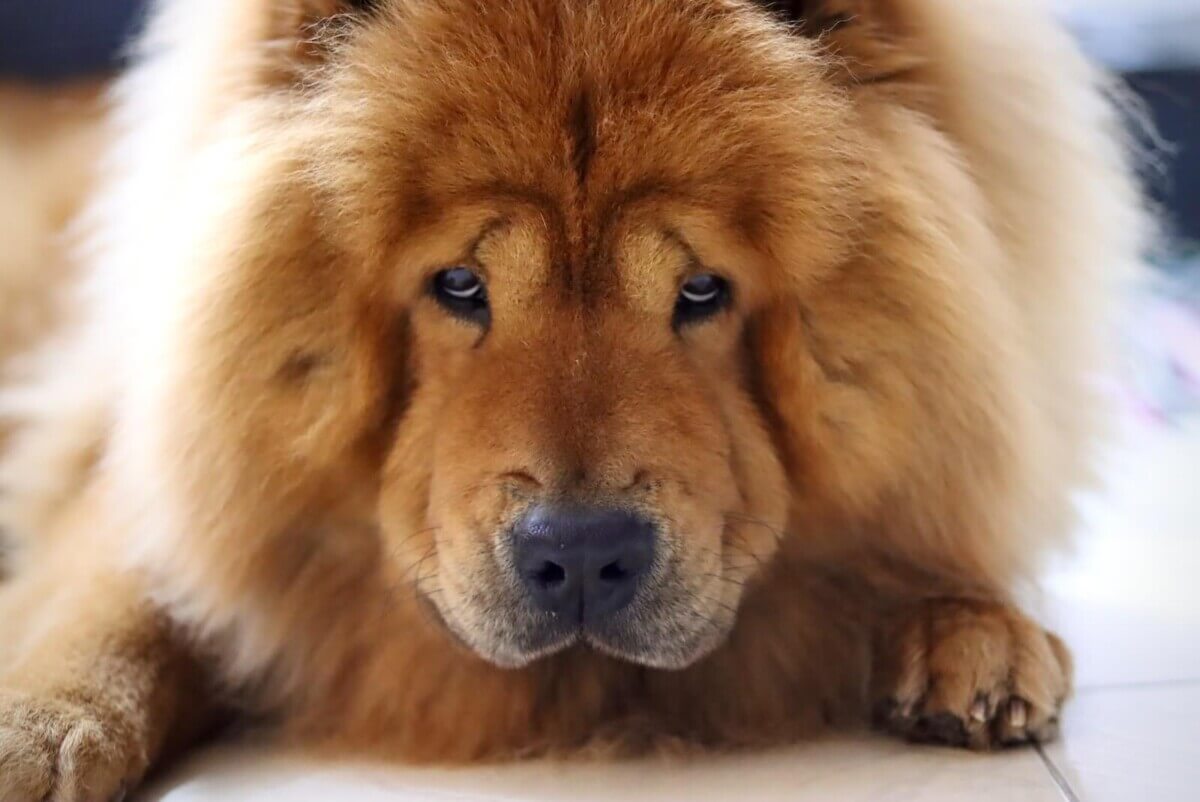
They look cute and cuddly, but Chow Chows can be stubborn and tough to train—not the best combo for first-time pet owners. PetSide also doesn’t recommend them for families, as they can be possessive and need supervision around small children. These dogs are wary and territorial, often aggressive towards other dogs and strangers. So, while they might look adorable, Chow Chows are not the best choice for beginners.
While the Chow Chow doesn’t need space, it does require a great deal of socialization and proper training, making it better suited for experienced dog owners. According to vetSTREET, Chow Chows can become overly protective and aggressive without proper training. So, while their independent nature and teddy bear-like appearance might be appealing, they are not the best choice for first-time pet owners.
Chow Chows also have significant grooming needs, requiring regular maintenance to keep their coats healthy. According to Dogster, they can be tricky and even dangerous for new owners. These aloof dogs aren’t very cuddly and need experienced handling, making them a handful for first-time pet parents.
3. Cane Corso
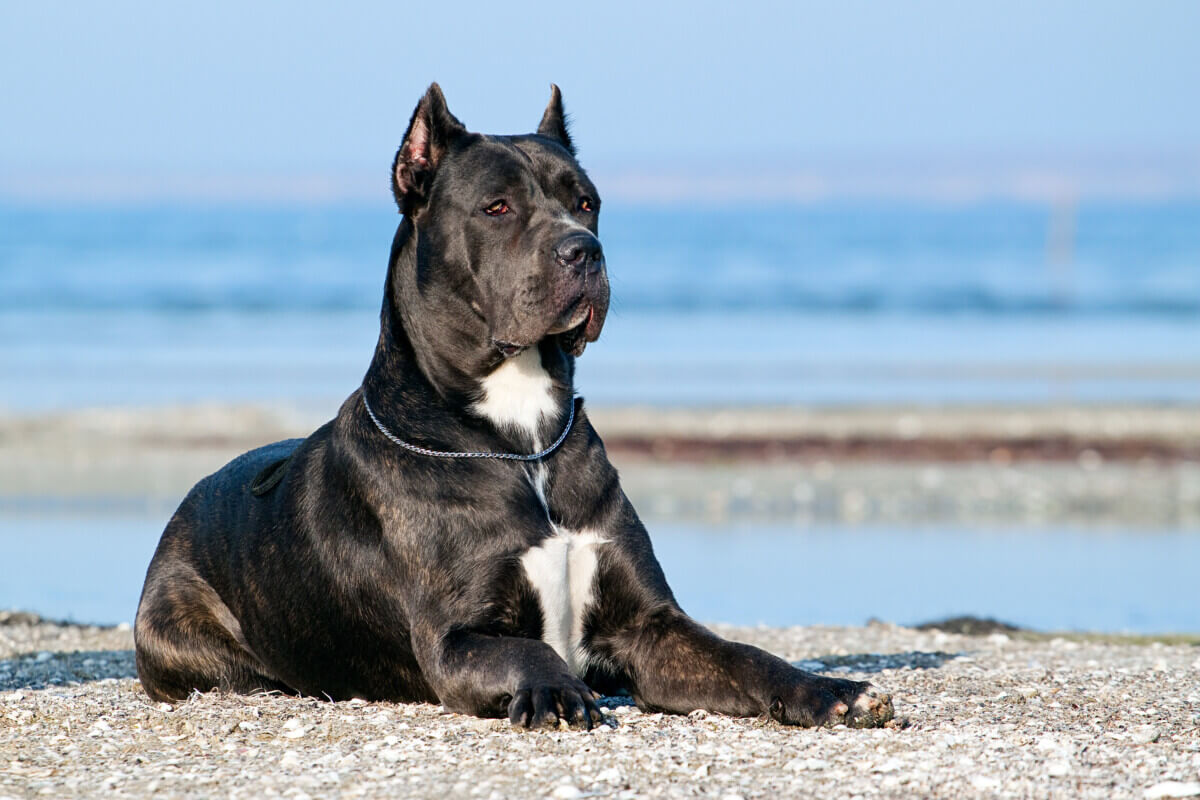
Cane Corsos look impressive but aren’t ideal for first-time pet owners. BeChewy notes that these dogs are large, strong, and have a dominant nature that requires a confident, experienced handler. Without proper training, a 120-pound Cane Corso can quickly become the boss of the house.
These large, strong dogs like to be in charge, making them difficult for first-time owners. Because they are protective and suspicious of strangers, Dogster says “they can be intimidating.” Cane Corsi (plural for Cane Corso) can be hard to manage and potentially aggressive, requiring an experienced owner to keep them well-behaved.
A Cane Corso makes a great watchdog, but Hepper agrees that first-time owners may struggle with the breed’s strong-willed nature. The dog’s strength can easily overpower an inexperienced owner, making walks challenging.
4. Akita
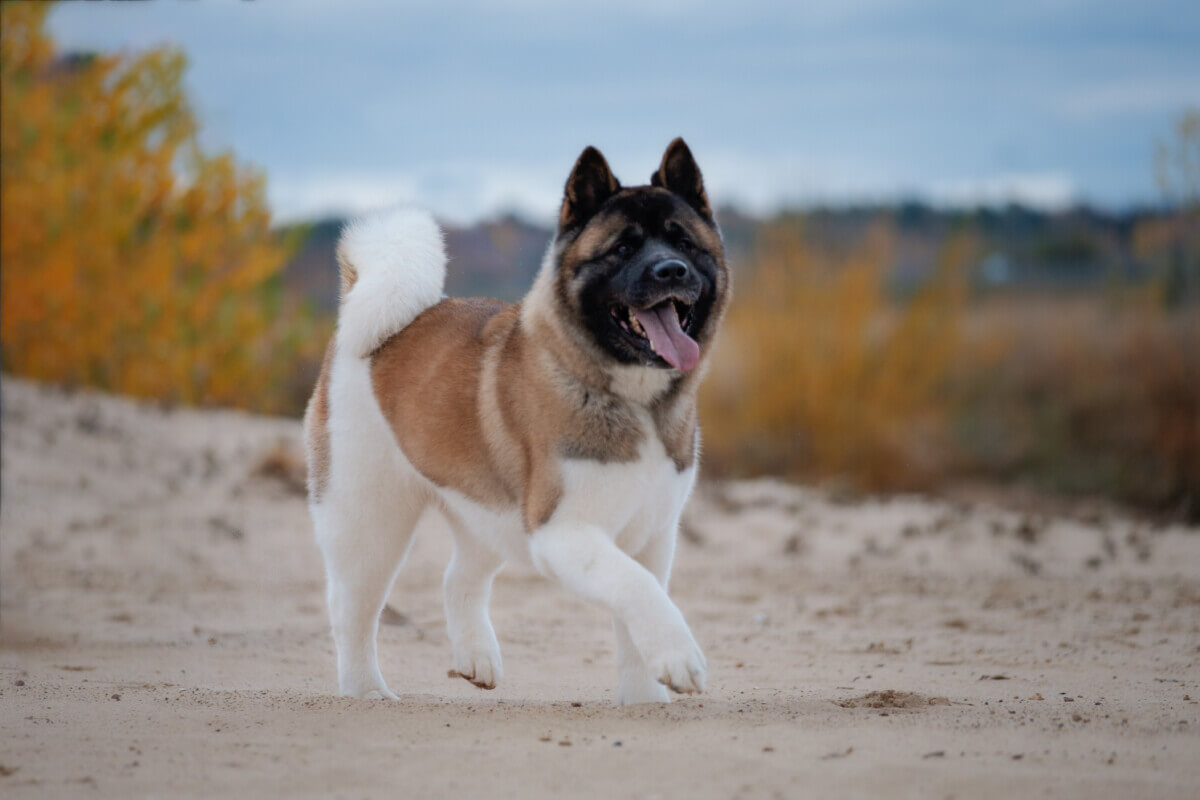
VetStreet readers agree that Akitas aren’t great for homes with cats. Despite being a national treasure in Japan, Akitas are not for everyone. Developed to hunt big game, they have a strong prey drive and can be aggressive toward other dogs. Their protective nature and aloofness with strangers require an experienced owner to earn their respect, which can be tough for first-time dog owners.
Adding to the challenge, Dogster points out that their long coats need constant brushing and occasional grooming. They aren’t the quickest learners, often taking up to 40 repetitions to learn commands, which can frustrate new owners. Plus, they can be moody and hold a grudge for a while. Regular exercise is also essential to keep them fit. BeChewy adds an Akita should always be supervised around young kids and other animals because they can be aggressive.
5. Rottweiler
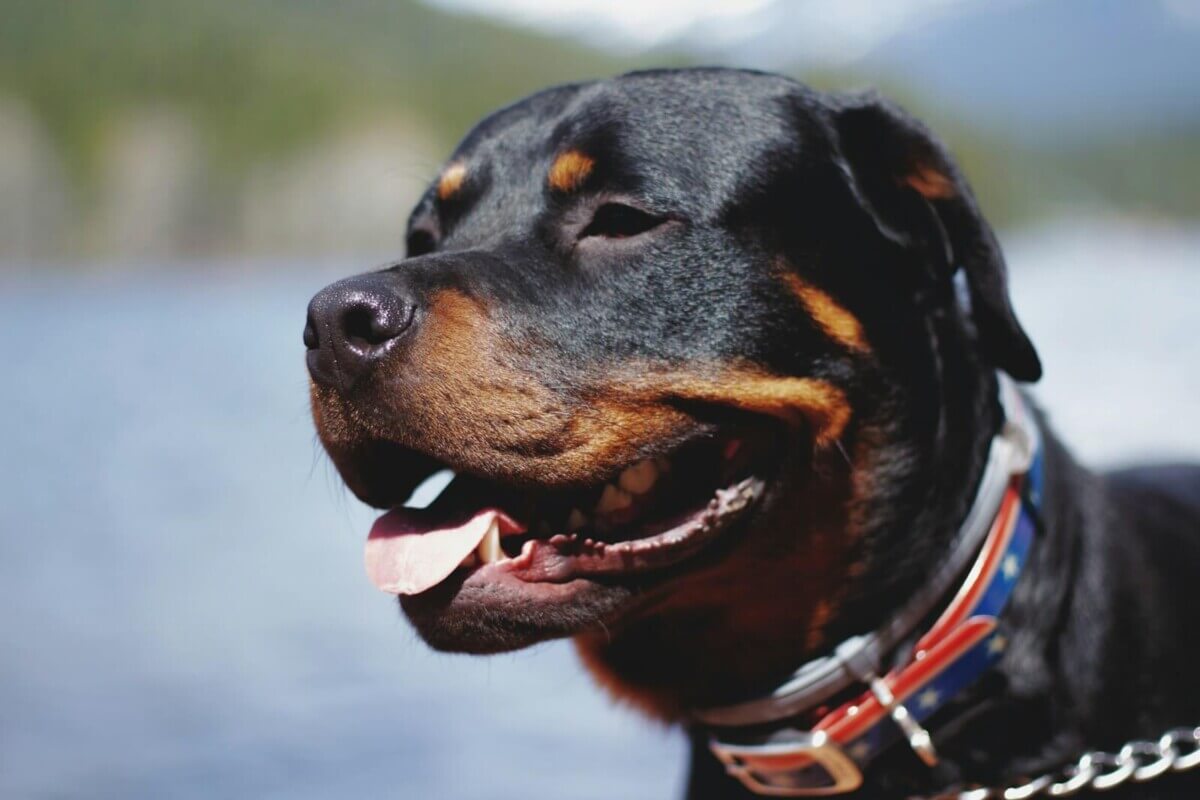
Many call these dogs “gentle giants,” but for an inexperienced pet owner, a Rottweiler’s large head, muscular build, and 135-pound frame can be overwhelming. VetStreet says that Rottweilers are banned by many apartment complexes and excluded from homeowners’ policies, so it’s crucial to read the fine print before bringing one home.
Hepper agrees that Rottweilers are a lot to handle and are not recommended for first-time owners. These dogs need a firm, confident, and experienced handler. They can be playful one moment and aggressive toward strangers or other dogs the next, making them a tricky choice. Dogster notes that while Rottweilers have medium energy levels and slow down over time, they still require intensive training and socialization to become well-behaved adults.
6. Siberian Husky
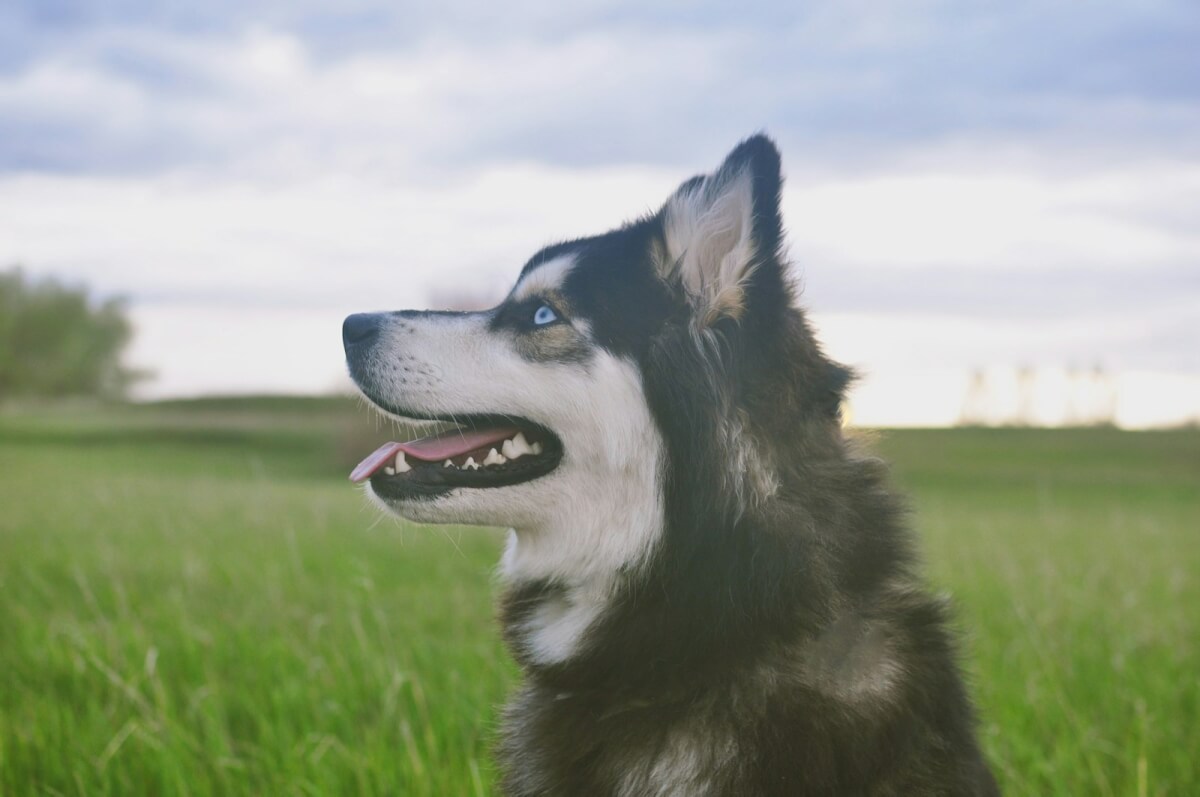
A Siberian Husky is a strong breed requiring extensive training and socialization, making the breed a tough choice for first-time dog owners. The dogs need plenty of exercise and space, so apartment living isn’t ideal according to Dogster. Additionally, their vocal nature adds to the challenge of owning this energetic and independent dog.
WagWalking adds that their thick coats make it difficult to keep them cool in warm environments. They also need frequent grooming, and if you’re a neat freak, their constant shedding will have you constantly cleaning up after them with the vacuum.
Hepper points out that these dogs can be destructive when their emotional and exercise needs aren’t met. Also, they are notorious escape artists with terrible recall, so they should never be off leash. Overall, they are not a good choice for first-time owners.
7. Treeing Walker Coonhound
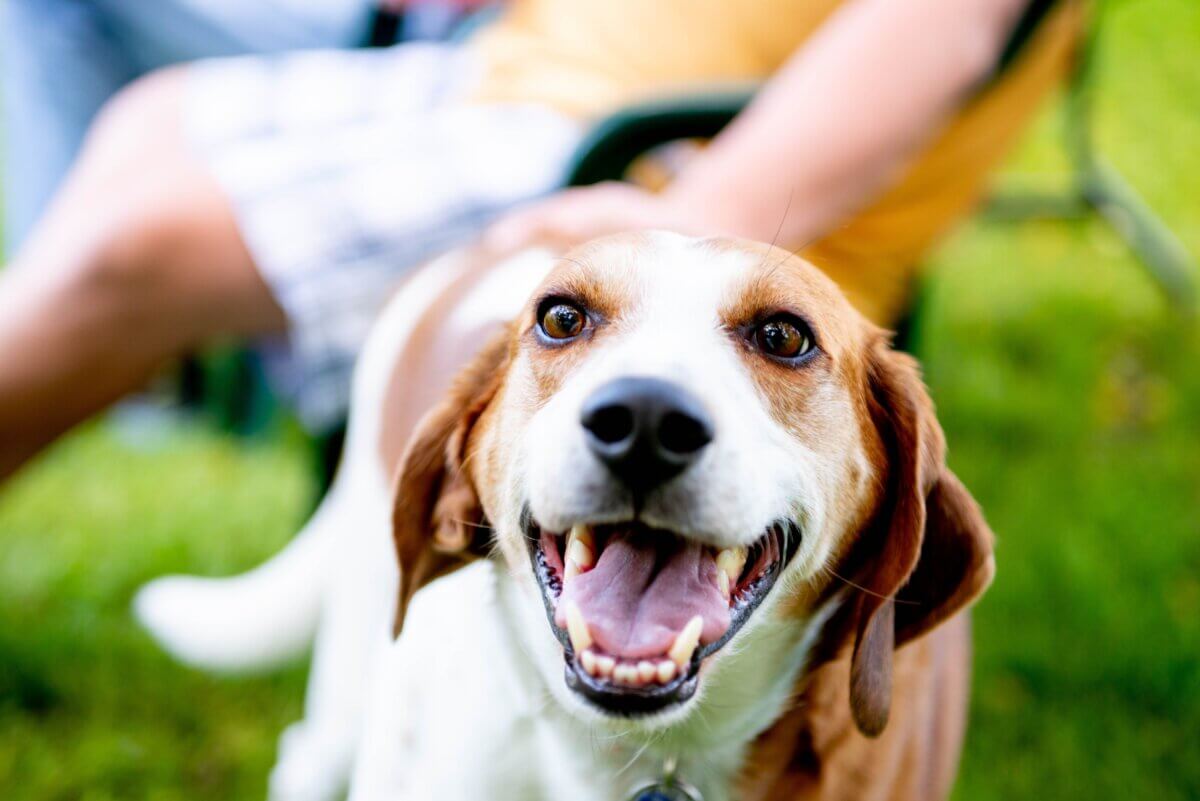
Rounding out our list of tough dogs for newbie owners is the Treeing Walker Coonhound. With a high prey drive and a need for constant activity, they require lots of space to run. Petside says a city home or apartment won’t cut it for this energetic breed—they’re much better suited for rural life with plenty of room and a committed owner.
Hunters love these dogs, but new dog owners might not be thrilled with their tendency to chase anything that moves. BeChewy notes that while the breed is intelligent, confident, and social, the barking they exhibit when their prey runs up a tree, can be overwhelming for newcomers. Additionally, Treeing Walker Coonhounds need rigorous training to keep their minds and bodies stimulated, so says PetSide.
Note: This article was not paid for nor sponsored. StudyFinds is not connected to nor partnered with any of the brands mentioned and receives no compensation for its recommendations. This article may contain affiliate links in which we receive a commission if you make a purchase.


