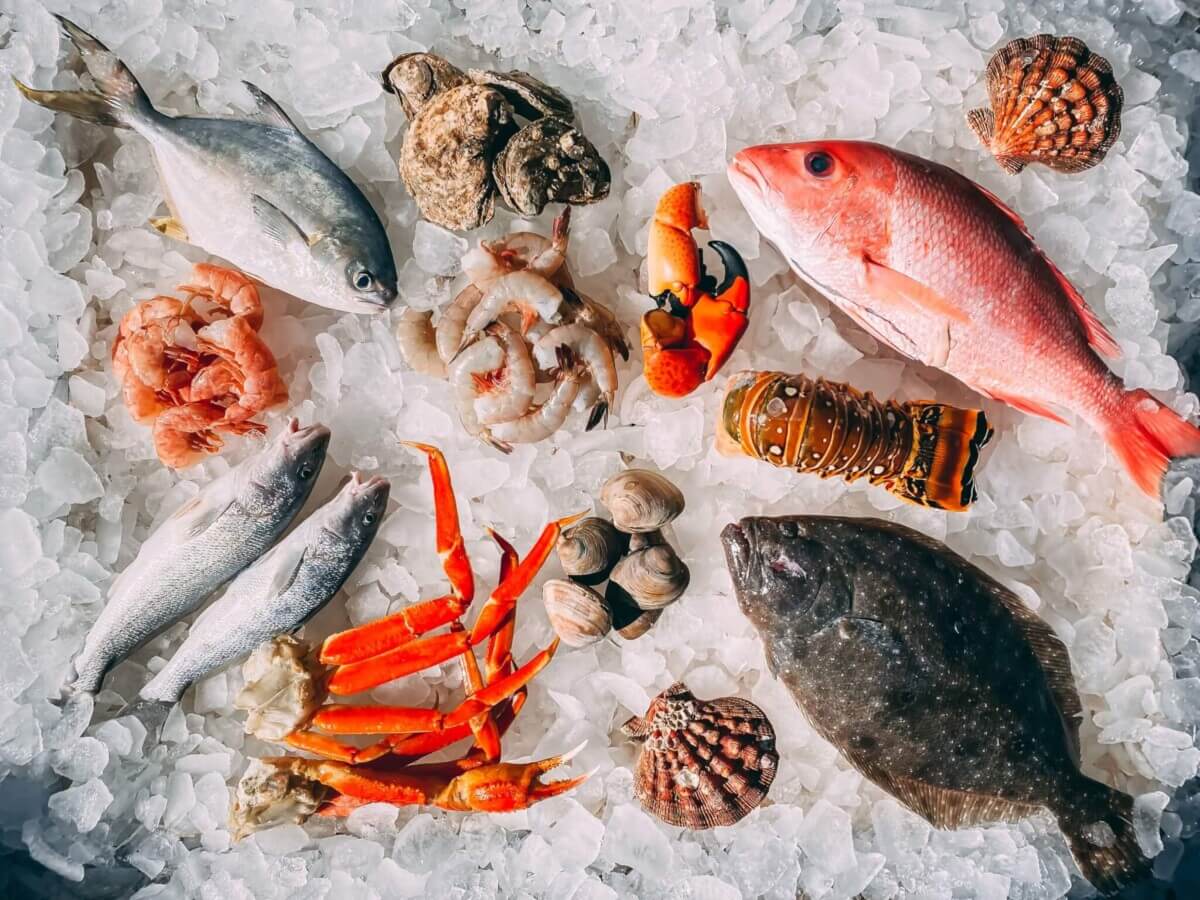
Seafood (Photo by Mike Bergmann on Unsplash)
If you eat seafood, you could be unknowingly consuming an endangered species without realizing it due to fish mislabeling. Mislabeling is a worldwide issue, and it occurs when the species of fish you think you’re buying is not the one you actually receive.
Tracing fish from capture to table is logistically complex, as fish products often pass through multiple countries. Along the way, products can be misidentified as another species or intentionally renamed to make more profit.
For instance, a cheap fish like tilapia may be given the name of a more expensive fish, like red snapper, or an endangered species might be passed off as a better-faring alternative.
Seafood mislabeling not only threatens vulnerable marine populations but makes it harder for people to make informed, ethical choices about the food they eat.
Searching for mislabelling in Calgary
To investigate this issue in Canada, our recent research paper examined mislabeling and ambiguous market names in invertebrate and finfish products — fish with fins, like cod, salmon, and tuna — in Calgary between 2014 and 2020. This was the first study of its kind in Canada to compare shellfish to finfish.
University students sampled 347 finfish products and 109 shellfish — including shrimp, octopus, and oysters — from Calgary restaurants and grocery stores. These samples were then genetically tested using a species-specific marker called a DNA barcode.
In Canada, the Canadian Food Inspection Agency maintains a Fish List that provides the acceptable common names for the labeling of fish in Canada.
A seafood product was considered mislabelled if it was sold using a name not found on the Fish List for the DNA-identified species. For instance, there is only one species that can be sold under the name salmon: Atlantic salmon. If sockeye salmon was sold as salmon without any other qualifier, it was considered mislabeled.
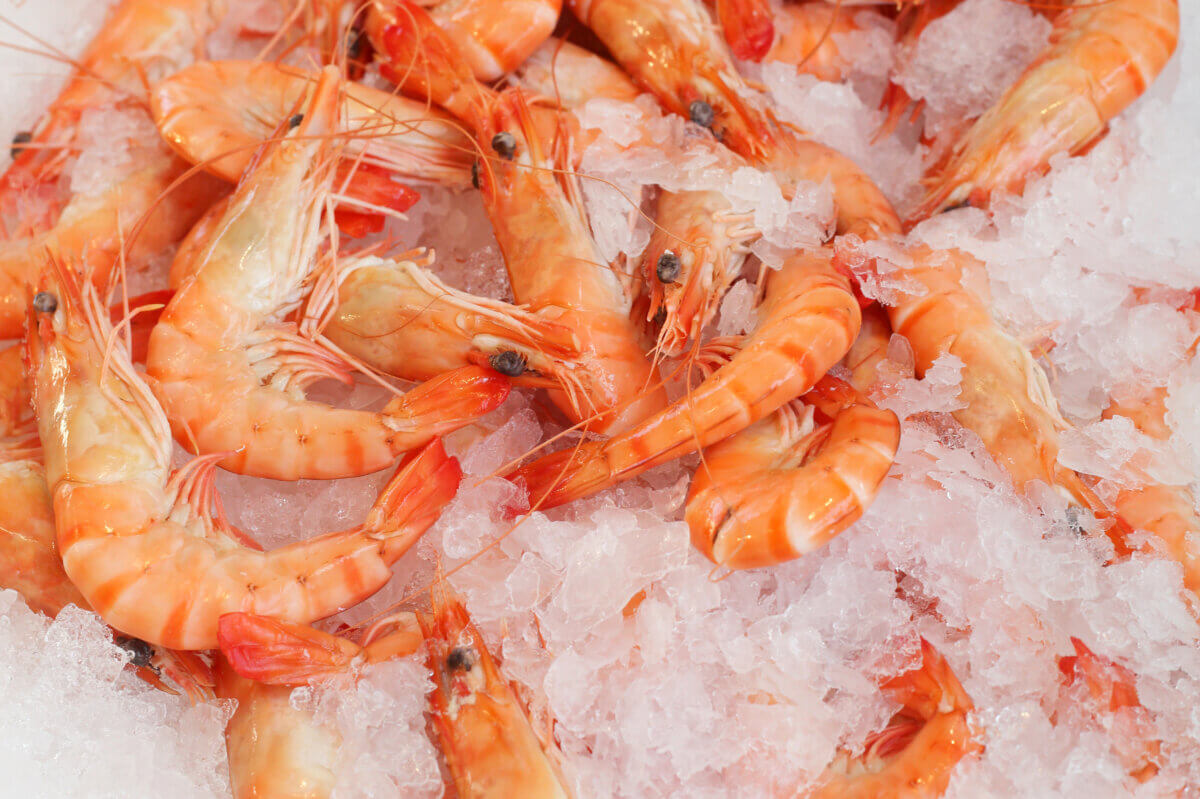
1 in 5 seafood products were mislabeled
We discovered that mislabeling is running rampant in Calgary, and that certain product names are more likely to hide species of conservation concern. The result: one in five finfish and one in five shellfish were not as advertised. These results fell within the predicted global rates of seafood mislabelling.
It was not difficult for students to stumble upon examples of mislabeling. Notable findings include:
- 100 percent of snapper and red snapper products were mislabeled. They were either tilapia (79 percent) or a species of rockfish or snapper that cannot be sold under those names (21 percent).
- Nine salmon products were determined to be rainbow trout, which are cheaper.
- Three Pacific cod were determined to be Atlantic cod, which are listed as vulnerable by the International Union for Conservation of Nature.
- Two eel products were determined to be the critically endangered European eel.
- Cuttlefish, squid, and octopus were often mislabelled as one another.
Some products, however, fared better than others. All Atlantic salmon, basa, halibut, mackerel, sockeye salmon, and Pacific white shrimp were as advertised.
Mislabelling hurts
Calgary’s mislabeled seafood has far-reaching and well-documented implications for public health, conservation, and the economy.
For instance, one student purchased “white tuna” at an all-you-can-eat sushi buffet that turned out to be escolar. Escolar is sometimes called the “laxative of the sea” for the effects its fatty acids can have on digestion. People have landed in the hospital because of this fish.
Several examples of mislabeling involved substituting an expensive product for a cheaper species: tilapia for snapper, rainbow trout for Atlantic salmon. While companies in places like Miami and Mississippi have faced fines for such fraudulent practices, the global nature of fisheries makes legal action difficult.
European eel are critically endangered, yet students found this species twice in the Calgary market. There is a global black market for European eel, and a Canadian company was fined in 2021 for illegally importing them.
Although red snapper is faring poorly in the wild, replacing it with tilapia is not helping snapper conservation. Instead, it provides an illusion of snapper abundance.
The situation is even murkier when it comes to invertebrates like shrimp, squid and octopus. Unfortunately, so little is known about their conservation status that we couldn’t assess their risks.
What you can do
If you eat seafood, there is a chance you could be misled as a consumer and end up eating threatened species. You can reduce these possibilities by doing the following:
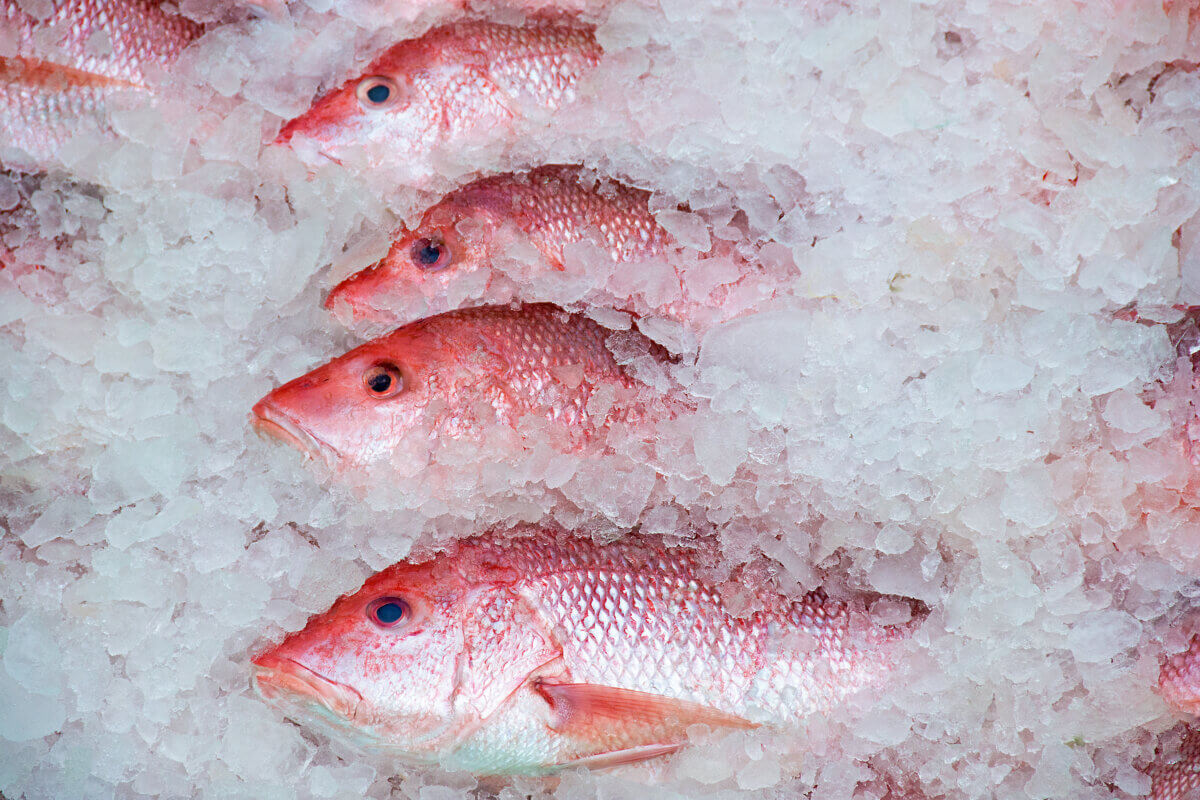
- Purchase whole, head-on finfish whenever possible, as they are harder to mislabel.
- Purchase seafood products that are certified sustainable, as these have been shown to have lower rates of mislabeling.
- Purchase products that clearly name the exact species being purchased.
- Write to your MPs in support for laws seeking to trace fish from boat to table — Canada has improved its regulations, but it can do better.
This will require that you brush up on your fish identification skills, but it’s a small price to pay for protecting our fish, saving on groceries and limiting unexpected and urgent trips to the restroom.
Ambiguous names hide protected species
To help vendors, the Fish List permits the use of ambiguous names, meaning the same name can be applied to multiple species. Snapper could refer to 96 different species, tuna to 14, cod to two. This helps vendors when related species are difficult to tell apart and is expected to reduce mislabeling.
We noticed that seafood products with ambiguous names were just as likely to be mislabelled as those with precise names. We wondered: which is worse for conservation, mislabeling or ambiguous names? After all, tuna could legally include yellowfin tuna (least concern) or southern bluefin tuna (endangered).
A statistical test found that ambiguous names were more important than mislabelling in hiding threatened species. This is a good thing because it suggests there is a way consumers can help.
Just as you wouldn’t go to a restaurant and order a “mammal sandwich,” why settle for “fish and chips?” If we, as consumers, can vote with our wallets by buying Pacific cod instead of cod or yellowfin tuna instead of tuna, we can be more confident that we aren’t eating the ocean’s equivalent of the giant panda.
Matthew R. J. Morris is an associate professor of Biology at Ambrose University.
This article is republished from The Conversation under a Creative Commons license. Read the original article.


