(Credit: LanKS/Shutterstock)
NEW SOUTH WALES, Australia — A game-changing new treatment, combining three blood pressure medications at ultra-low doses, has delivered staggering results in a landmark clinical trial. This isn’t science fiction – it’s the promise of GMRx2, a novel treatment strategy that’s showing remarkable results in a part of the world where hypertension often strikes early and hits hard.
Published in the Journal of the American Medical Association (JAMA), the findings could transform the fight against hypertension — which affects roughly one-third of the world’s population.
Hypertension, or high blood pressure, is a major health concern in sub-Saharan Africa, where it often strikes at younger ages and leads to more severe complications than in other parts of the world. The condition is a leading cause of heart disease, stroke, and kidney problems, making effective treatment crucial for public health.
Researchers have discovered that a novel “triple-pill” strategy could be the key to effectively managing high blood pressure in a region where less than 10% of treated patients typically achieve proper control. The results are part of what’s called the “deliVERy of Optimal blood pressure coNtrol in afrICA (VERONICA)-Nigeria” trial, led by The George Institute for Global Health.
“There is a global goal to reach 80% blood pressure control among those treated, but no country has yet achieved this,” notes Professor Anthony Rodgers, senior professorial fellow at The George Institute and chief medical officer at George Medicines, the company developing the triple pill. “With the VERONICA trial, we’ve shown the potential of this novel strategy to reach this ambitious target.”
What makes this breakthrough so revolutionary is its simplicity. Rather than prescribing multiple blood pressure drugs separately, the new protocol combines telmisartan, amlodipine, and indapamide into a single, once-daily pill – at doses lower than typically used.
The study, led by Dr. Dike B. Ojji and colleagues, involved 300 Black African adults with uncontrolled hypertension across three public hospital clinics in Nigeria. Participants were randomly assigned to either the triple-pill protocol or the standard care protocol, which follows Nigeria’s national guidelines for hypertension treatment.
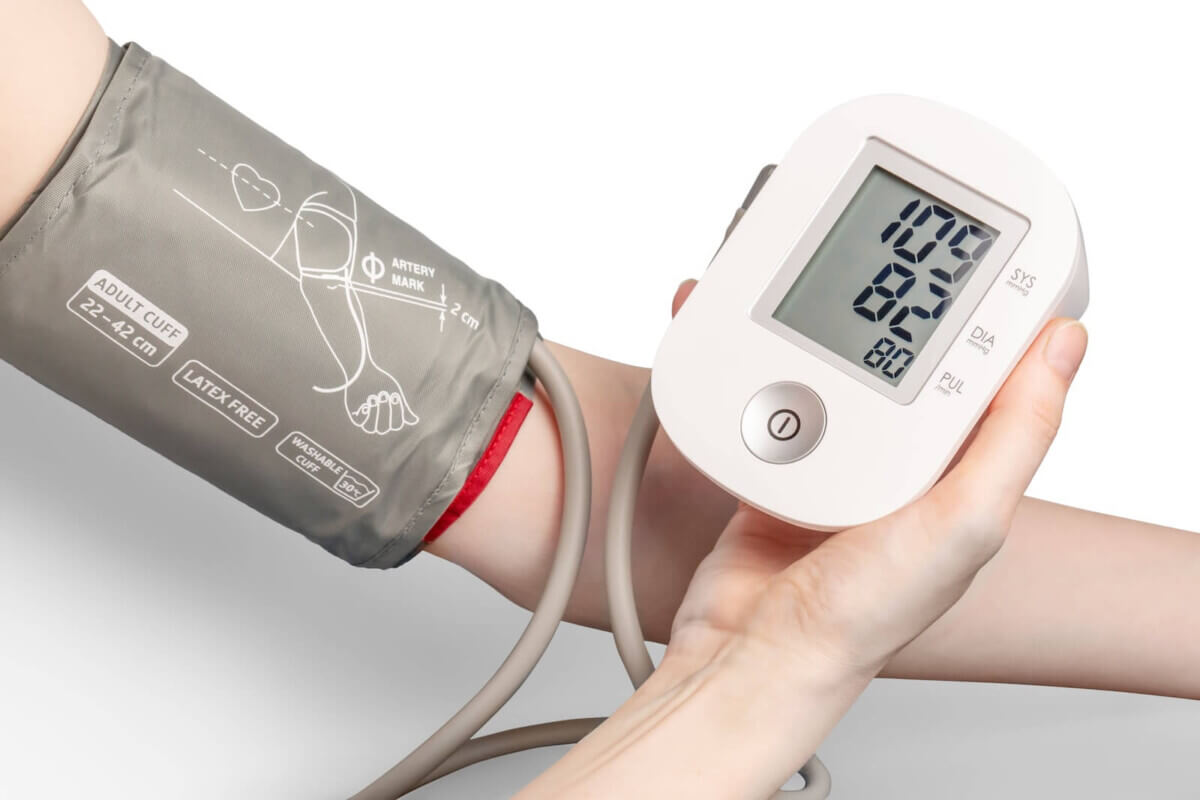
Over six months, the researchers tracked participants’ blood pressure both at home and in the clinic. The results were impressive: patients on the triple-pill protocol saw their systolic blood pressure (the top number in a blood pressure reading) drop by an average of 31 mm Hg, compared to 26 mm Hg in the standard care group. This 5 mm Hg difference may seem small, but in the world of blood pressure control, it’s significant and can translate to meaningful reductions in the risk of heart attacks and strokes.
Even more striking was the difference in blood pressure control rates. By the end of the study, 82% of patients in the triple-pill group had their clinic blood pressure under control (below 140/90 mm Hg), compared to 72% in the standard care group. When looking at home blood pressure measurements, which are often considered more representative of a person’s true blood pressure, the difference was even more dramatic: 62% of the triple-pill group achieved control (below 130/80 mm Hg) versus just 28% in the standard care group.
“To see rates of over 80% in just one month is impressive,” says Professor Dike Ojji, the study’s principal investigator and head of the Cardiovascular Research Unit at the University of Abuja in Nigeria.
That’s a stunning statistic, considering that in most African countries, fewer than one in four people with high blood pressure have it under control. The new “triple pill” approach easily outperformed the standard treatment, lowering systolic blood pressure by an average of 5.8 mmHg more.
Remarkably, the triple-pill approach was not only more effective but also better tolerated than the standard treatment. No participants dropped out due to side-effects, relieving concerns that combining multiple blood pressure drugs could increase the risk of adverse events.
“There has been little innovation in this field, so it’s rewarding to see many years of research by The George Institute culminate in a novel treatment using established medicines to address an unmet need,” says Rodgers.
This “polypill” strategy is designed to overcome two major barriers to effective hypertension management in Africa: therapeutic inertia and poor medication adherence. By quickly ramping up the medication to therapeutic levels, the triple-pill protocol was able to achieve extraordinary blood pressure control rates.
Of course, making this innovative therapy widely accessible will be a major challenge. Availability and affordability of the triple pill in resource-limited health systems will be crucial. Partnerships with pharmaceutical companies and integration into national drug procurement and distribution systems will be key.
However, the potential impact is immense. High blood pressure is the leading risk factor for mortality in Africa, accounting for an estimated 10.8 million deaths per year. Reining in this silent killer could prevent countless heart attacks, strokes, and other devastating cardiovascular complications across the continent.
“Our mission is to develop sustainable solutions that can improve the health of millions of people worldwide and alleviate strain on health systems,” Rodgers concludes.
If the triple pill lives up to its promise, it may just revolutionize the fight against hypertension in Africa and beyond.
Paper Summary
Methodology
To test the new triple-pill approach, the researchers recruited 300 adults with uncontrolled high blood pressure from three public hospital clinics in Nigeria. Participants were randomly assigned to receive either the triple-pill protocol or the standard Nigerian hypertension treatment.
The triple-pill protocol involved a novel combination of telmisartan, amlodipine, and indapamide at reduced doses, with a frontloaded titration schedule to quickly achieve effective blood pressure control. The standard-care group followed the stepwise medication approach recommended in Nigeria, starting with the calcium channel blocker amlodipine.
Both groups received their medications for free and were followed for six months, with regular clinic visits and blood pressure measurements. The primary outcome was the reduction in home systolic blood pressure, as this provides a better real-world representation of a patient’s blood pressure compared to readings taken in the clinic.
Key Results
After six months, the triple-pill group had lowered their average home systolic blood pressure by 31 mmHg, compared to a 26 mmHg reduction in the standard-care group. That 5.8 mmHg difference was statistically significant and clinically meaningful.
The triple-pill protocol also led to better blood pressure control rates. By month six, 82% of participants in the triple-pill group had achieved recommended clinic blood pressure targets versus 72% in the standard care group. For home blood pressure, the triple-pill group had a 62% control rate compared to just 28% in the standard care group.
Importantly, the triple-pill approach was well-tolerated, with no participants discontinuing treatment due to side effects. There were some minor imbalances in lab values like potassium and kidney function, but these were manageable and did not lead to any safety concerns.
Study Limitations
The study was an open-label trial, meaning participants and clinicians knew which treatment they were receiving. This could have introduced some bias, even though the researchers tried to mitigate this through objective blood pressure measurements.
Additionally, the study population was relatively homogeneous – all participants were Black Africans from Nigeria, with few other major medical conditions. The applicability to other populations or healthcare settings is unclear.
The researchers also note that the standard-care group in this trial actually performed better than typical “real-world” hypertension treatment in Africa. This may make the observed benefits of the triple pill look more dramatic than they would be in a more representative control group.
Finally, the scalability of the triple-pill approach will depend heavily on its affordability. In this study, all medications were provided for free. Ensuring widespread access to this therapy in resource-limited settings will be a major challenge.
Discussion & Takeaways
The findings of this study represent a major advancement in the fight against hypertension in Africa. The triple-pill protocol offers a novel solution to two key barriers to effective blood pressure control – therapeutic inertia and poor medication adherence.
“The triple pill still produced clinically meaningful reductions in blood pressure compared to standard care, even when standard care closely followed current guidelines and involved more clinic visits,” Prof. Dike Ojji reports.
By combining three different blood pressure drugs at reduced doses, the triple pill was able to achieve significantly greater reductions in both home and clinic blood pressure compared to the standard stepwise approach. Importantly, this was accomplished without any increased risk of side effects leading to treatment discontinuation.
“In low-income countries fewer than one in four treated people achieve blood pressure control and in high-income settings it is only between 50% and 70%, so to see rates of over 80% in just one month is impressive,” Ojji adds.
The researchers note that the triple pill’s superiority was evident even though the standard-care group in this study performed better than typical hypertension management in Africa. This suggests the triple pill could have an even more dramatic impact in real-world settings, where blood pressure control rates are often dismally low.
Ensuring widespread access to this game-changing therapy will be crucial. Partnerships with pharmaceutical companies and integration into national drug procurement and distribution systems will be key to making the triple pill affordable and available to those who need it most across Africa.
Funding & Disclosures
This trial was funded by a program grant from the Australian National Health and Medical Research Council. The funders had no role in the design, conduct, analysis, or reporting of the study.
Several of the authors reported potential conflicts of interest. George Institute Ventures, the social enterprise arm of The George Institute for Global Health, has received investment to develop fixed-dose combination products containing blood pressure-lowering drugs. George Medicines Pty Ltd, an entity of George Institute Ventures, has submitted patents for low-dose blood pressure combinations, on which one of the authors is listed as an inventor.
Additionally, some authors reported receiving speaker honoraria, consulting fees, or travel support from various pharmaceutical companies outside of the work presented in this study.


