(© Fevziie - stock.adobe.com)
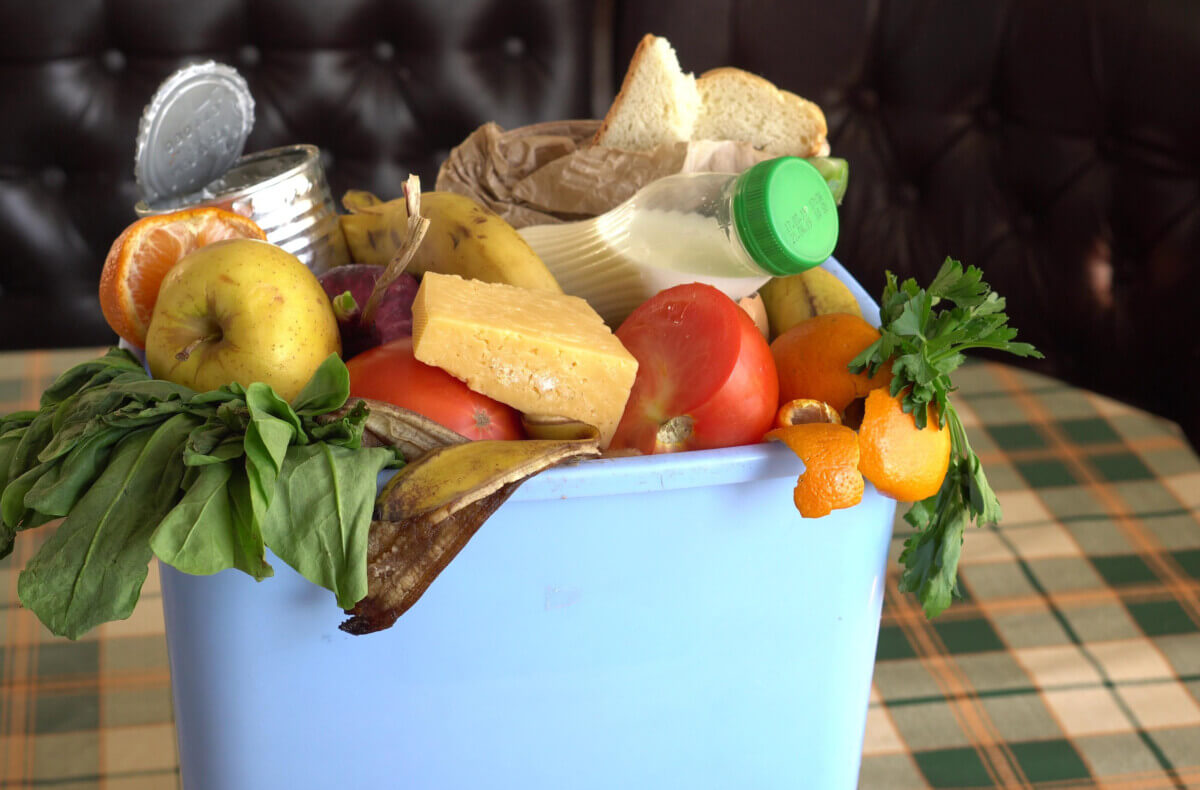
In the United States, people waste over 90 billion pounds of food every year, which equals out to about 145 billion meals. This is close to 40% of the food in the country.
Now, if you’ve ever had to clean out all the expired yogurt or veggies in your fridge, don’t worry; you’re definitely not alone. However, even though food waste is a global issue, the United States is a major contributor.
Reducing food waste is not only better for the environment, but it helps you save time and money. It’s important to talk about ways to reduce our personal footprints as best as possible because it takes a joint effort to make a big change. Here are three effective ways of cutting down on food waste:
Freeze your food
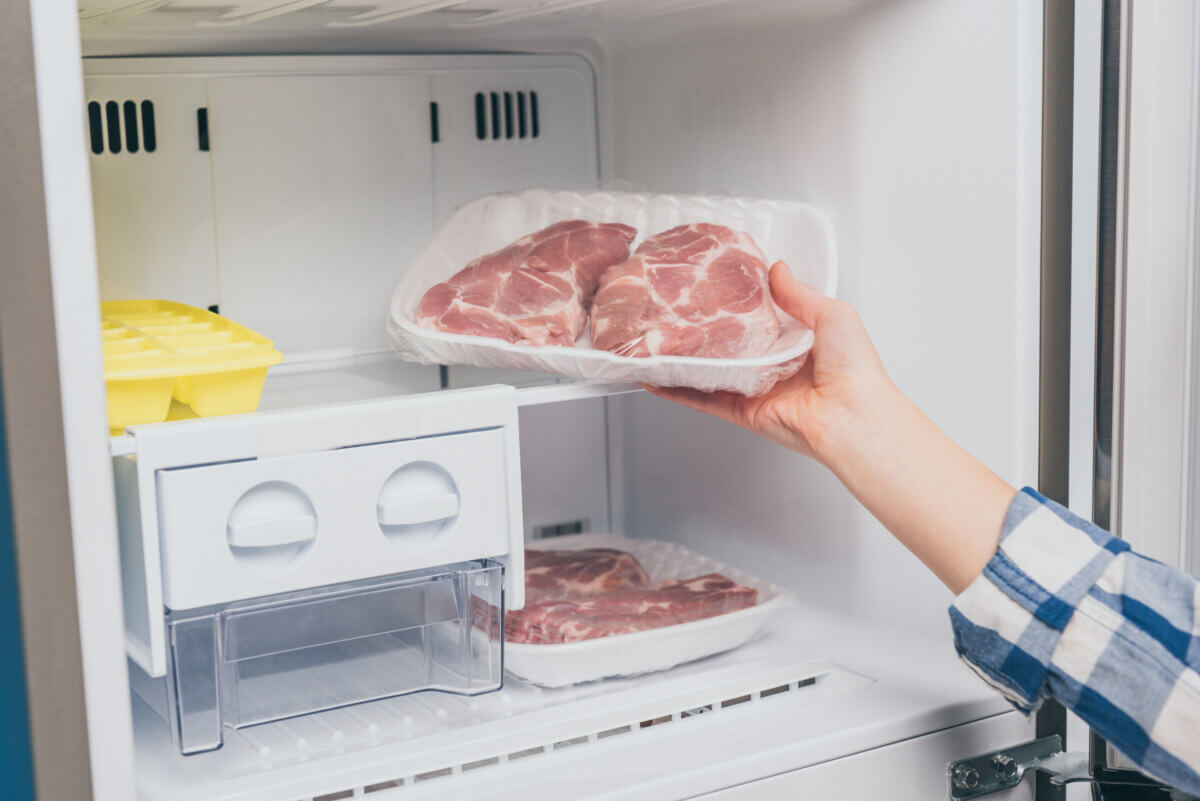
Sometimes, people buy too much or cook too much food, so they might just throw it out. Instead, you can actually freeze most meals and produce for later use. For example, when bananas get too ripe, I like to freeze them and blend them into smoothies.
I also like to freeze soup in ice cube molds and pop them in the microwave or melt them on the stove when I want a quick meal without cooking. There are countless other ways to get creative with your excess food that don’t involve a garbage can.
Pay attention to expiration dates at the store
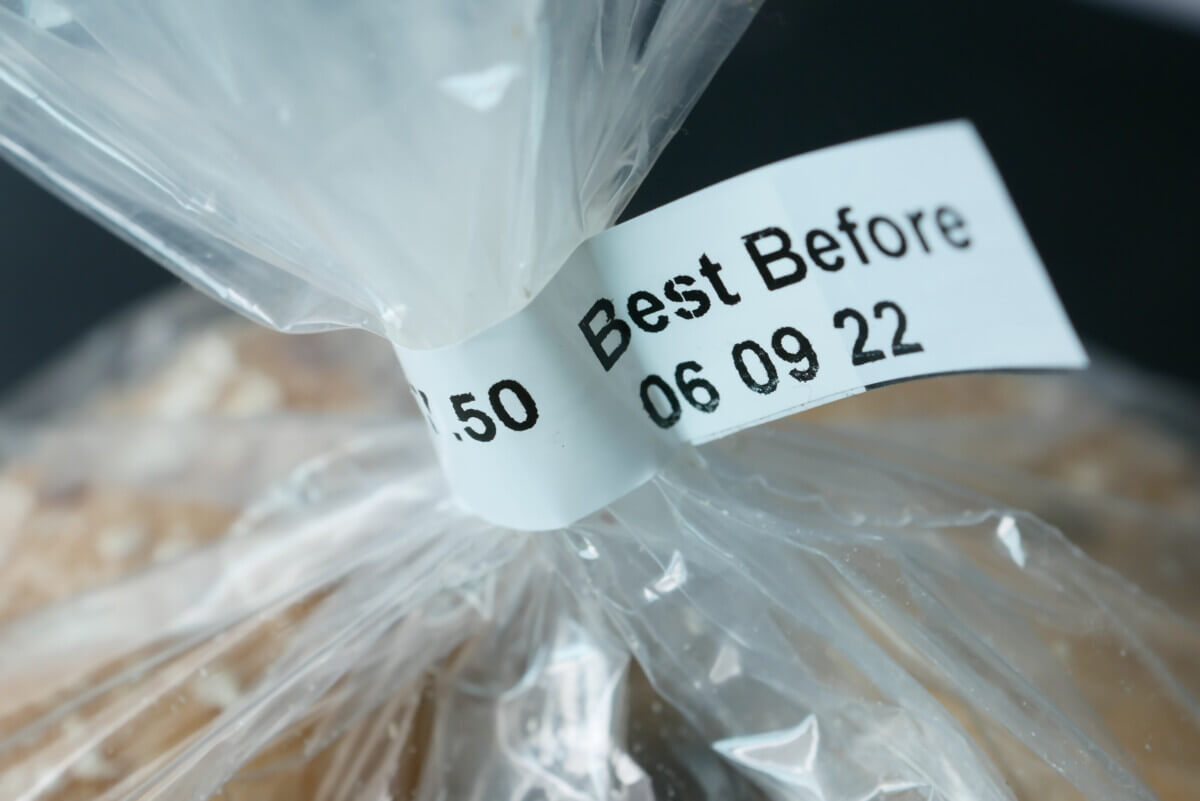
Picking up some bread or milk at the store without looking at the expiration date is one of the easiest ways to increase your chance of contributing to food waste. Once these products expire, you can’t save moldy bread or spoiled milk.
However, there’s a misunderstanding of the dates on food, which could lead you to think something has expired when it hasn’t. Here’s the difference between common labels:
- “Best if used by” is not a safety date. It describes when a product will be at peak quality or flavor.
- “Use by” is the final expiration date before the item has likely gone bad.
- “Sell by” is the last day a retailer can sell a product. Typically, you can still eat food for over a week after this date.
Share extra food
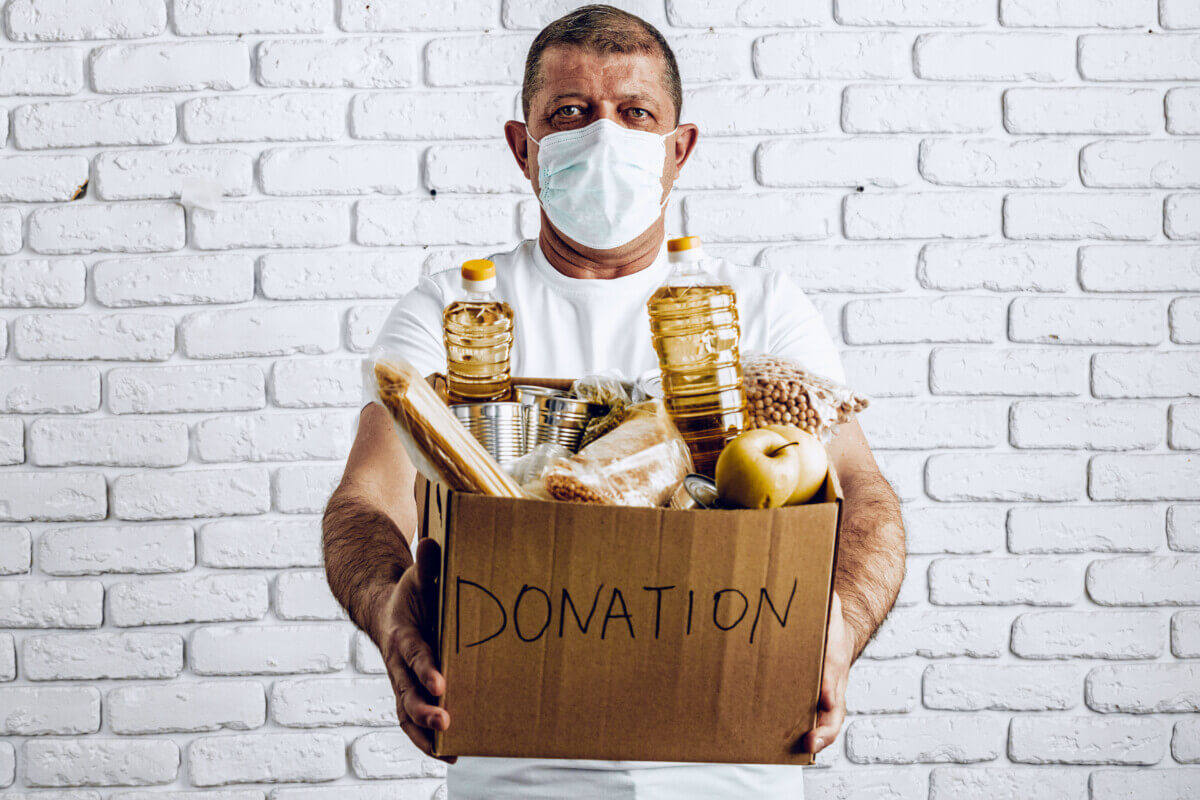
The more, the merrier! Invite friends and family over for dinner, or bring your neighbors and co-workers leftover desserts you made but couldn’t finish. Another good thought is to find a local food bank or shelter and see what foods they allow for donation. Typically, it’s non-perishable foods. However, if you know your canned beans or corn will go to waste if you don’t give them away, some homes in need would be happy to take them off your hands as well.
Bottom Line
It doesn’t take much to contribute to food waste, and we all do it whether we realize it or not. But it also doesn’t take much to reduce our waste, either. One of the best ways to start is to recognize how you personally contribute to this problem and make small changes accordingly. Some of the easiest ways are freezing food when you can, paying attention to expiration dates and labels before buying something, and sharing excess food with others.


