
Antibiotics are contaminating global waterways from human waste. (Bidna Iryna/Shutterstock)
In a nutshell
- An estimated 6 million kilometers of rivers worldwide contain antibiotic concentrations that exceed safety thresholds for ecosystems and antimicrobial resistance, all from human use alone, not including agriculture or manufacturing.
- This commonly used drug accounts for 45% of at-risk river length, with particularly high contamination found in Southeast Asia, including India and Pakistan where antibiotics are often available without prescriptions.
- About 10% of the global population lives within 10 km of rivers with the highest antibiotic levels, raising concerns about chronic exposure, resistance development, and inadequate wastewater treatment, especially in low-income regions.
MONTREAL, Canada — Right now, roughly 8,500 tons of antibiotic residues are washing through the global river system annually, with over 3,300 tons ultimately reaching oceans and lakes. This discovery comes from a new study from McGill University that examined how antibiotics from human consumption alone, not including veterinary or industrial sources, are contaminating waterways worldwide.
The study, published in PNAS Nexus, revealed that over 6 million kilometers of rivers contain antibiotic concentrations exceeding thresholds considered safe for ecosystems and for preventing antimicrobial resistance during low water flow periods. The problem is particularly severe in Southeast Asia, where rivers show the highest concentrations of these compounds.
What’s Hiding in our Waterways?
This invisible pollution threatens not just aquatic life but potentially human health as well. Even in small amounts, antibiotics can reduce microbial diversity in water systems, increase resistance genes, and harm fish and algae. The World Health Organization has already recognized antimicrobial resistance as a critical global threat, with projections suggesting resistant bacterial infections could become the leading cause of global deaths by 2050.
After we consume antibiotics, our bodies don’t fully metabolize them. The remainder gets excreted and enters wastewater systems that often aren’t designed to remove these compounds effectively. In fact, nearly half of the world’s wastewater is released without any treatment at all.
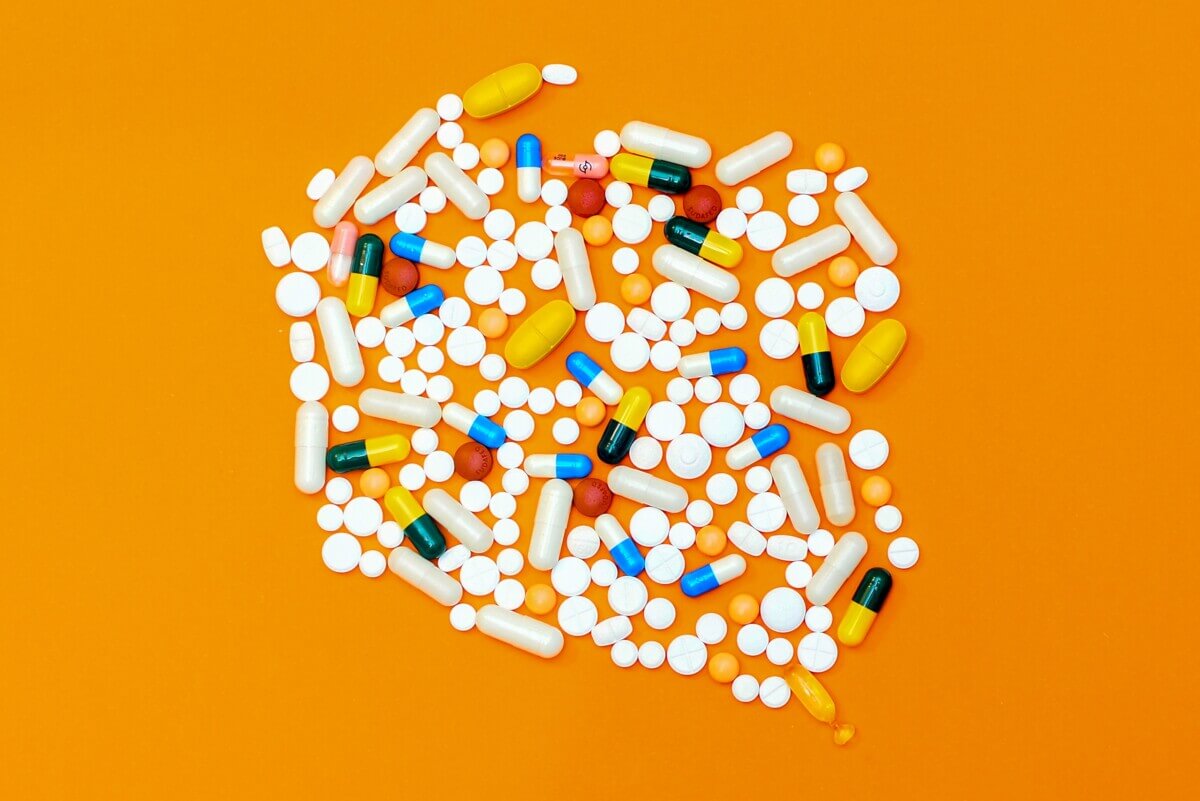
The researchers tracked the journey of the 40 most commonly used antibiotics as they moved from human consumption through sewage systems and into waterways. Their analysis revealed that 29% of consumed antibiotics eventually reach river systems, while 11% make it all the way to oceans or inland water bodies like lakes.
Three Major Antibiotics Dominate River Pollution
Three antibiotics in particular—amoxicillin, ceftriaxone, and cefixime—were found to be the dominant pollutants. Amoxicillin alone accounts for 45% of at-risk river length. This common antibiotic, which makes up 75% of total global antibiotic consumption according to the researchers, is often available without prescription in many countries, contributing to its widespread presence in waterways.
The problem is expected to worsen as global antibiotic consumption increases, especially in low- and middle-income countries. Between 2000 and 2015, global antibiotic consumption jumped by 65%, with low-income countries seeing a staggering 114% increase. Projections suggest consumption will rise another 200% by 2030.
The research team stresses that with rising antibiotic usage worldwide, particularly in developing regions, there’s an urgent need to develop and implement strategies that reduce antibiotic pollution to protect both environmental and human health.

Countries with the highest risk include India, Iran, Nigeria, Ethiopia, Turkey, Vietnam, and Pakistan—each with more than 80% of their river lengths showing high or very high antibiotic concentrations. In India and Pakistan specifically, more than 30% of rivers are impacted by at least 10 different antibiotics at concentrations exceeding high-risk thresholds.
10 Percent Of World At Risk
The study estimates that 750 million people, approximately 10% of the global population, live within 10 kilometers of rivers with the highest cumulative concentrations of antibiotics. If these waters are used for drinking, these populations could potentially be exposed to chronic antibiotic intake at harmful levels.
The researchers calculated that in rivers with the highest concentrations, drinking water directly from these sources would expose people to antibiotics at levels that exceed acceptable daily intake thresholds for 16 out of 30 antibiotics examined. While most developed countries have water treatment systems, these aren’t typically designed to remove antibiotics effectively.
This study only looked at antibiotics from human consumption. The actual situation is likely much worse when considering veterinary use, which is approximately twice the human consumption level globally, as well as pharmaceutical manufacturing waste and aquaculture.
Climate change and increased water usage will likely exacerbate the problem by causing more extreme low-flow conditions in rivers, which will further concentrate antibiotics and other pollutants in waterways.
The researchers call for urgent action, including expanding access to wastewater treatment, upgrading existing treatment facilities to better remove antibiotics, improving healthcare practices to ensure appropriate antibiotic use, and enhancing regulatory guidelines with a focus on high-risk substances and locations.
Without coordinated global action on antibiotic pollution, we face a future where our waterways increasingly contribute to one of the greatest health threats of our time—antimicrobial resistance—potentially undermining one of medicine’s most valuable tools.
Paper Summary
Methodology
Researchers used a global contaminant fate model called HydroFATE to estimate concentrations of the 40 most commonly used antibiotics (representing 90% of global human antibiotic consumption) in 23.8 million kilometers of rivers worldwide. The model tracked antibiotic pathways from human consumption, through excretion and wastewater systems (treated and untreated), and into river networks. They incorporated data on population distribution, per capita antibiotic consumption, human metabolism rates, wastewater treatment processes, and river discharge rates. The study focused specifically on low-flow conditions in rivers to represent scenarios where risks would be most prevalent. The researchers validated their model by comparing predicted concentrations to reported concentrations of 21 antibiotics at 877 locations globally.
Results
The study found that of the 29,200 tonnes of antibiotics consumed annually by humans, approximately 8,500 tonnes (29%) enter river systems and 3,300 tonnes (11%) reach the world’s oceans or inland sinks. About 6 million kilometers of rivers worldwide contain antibiotic concentrations exceeding thresholds protective of ecosystems and resistance promotion during low-flow conditions. The main contributing antibiotics were amoxicillin (45%), ceftriaxone (25%), and cefixime (17%). Approximately 750 million people live within 10 kilometers of rivers with the highest antibiotic concentrations, potentially exposing them to harmful levels if these waters are used for consumption. The study identified India, China, and Pakistan as containing 47% of the rivers with the highest equivalent dose concentrations of antibiotics.
Limitations
The researchers note several limitations to their approach. The study only considered antibiotics from human consumption, excluding veterinary, livestock, or pharmaceutical manufacturing sources, which likely contribute significantly to overall concentrations. The model doesn’t account for seasonal fluctuations in antibiotic consumption or short-term peak concentrations during extended dry periods. There’s also limited data on the removal efficiency of antibiotics during wastewater treatment and their decay in surface waters for many compounds, potentially leading to overestimations of downstream concentrations for some antibiotics. Additionally, assumptions were made about drinking water consumption patterns and population exposure that may not reflect real-world conditions.
Funding and Disclosures
The research was supported by the Natural Sciences and Engineering Research Council of Canada through Discovery grants, the James McGill Chair Program of McGill University, and the Fessenden Professorship in Science and Innovation Award of McGill University. The authors declared no competing interests.
Publication Information
The study titled “Antibiotics in the global river system arising from human consumption” was published in PNAS Nexus (Volume 4, Issue 4, article pgaf096) in 2025 with advance access publication on April 22, 2025. The research was led by Heloisa Ehalt Macedo and Bernhard Lehner from the Department of Geography at McGill University, along with colleagues from McGill’s Department of Civil Engineering and One Health Trust/Johns Hopkins School of Medicine.


