(© Wayhome Studio - stock.adobe.com)
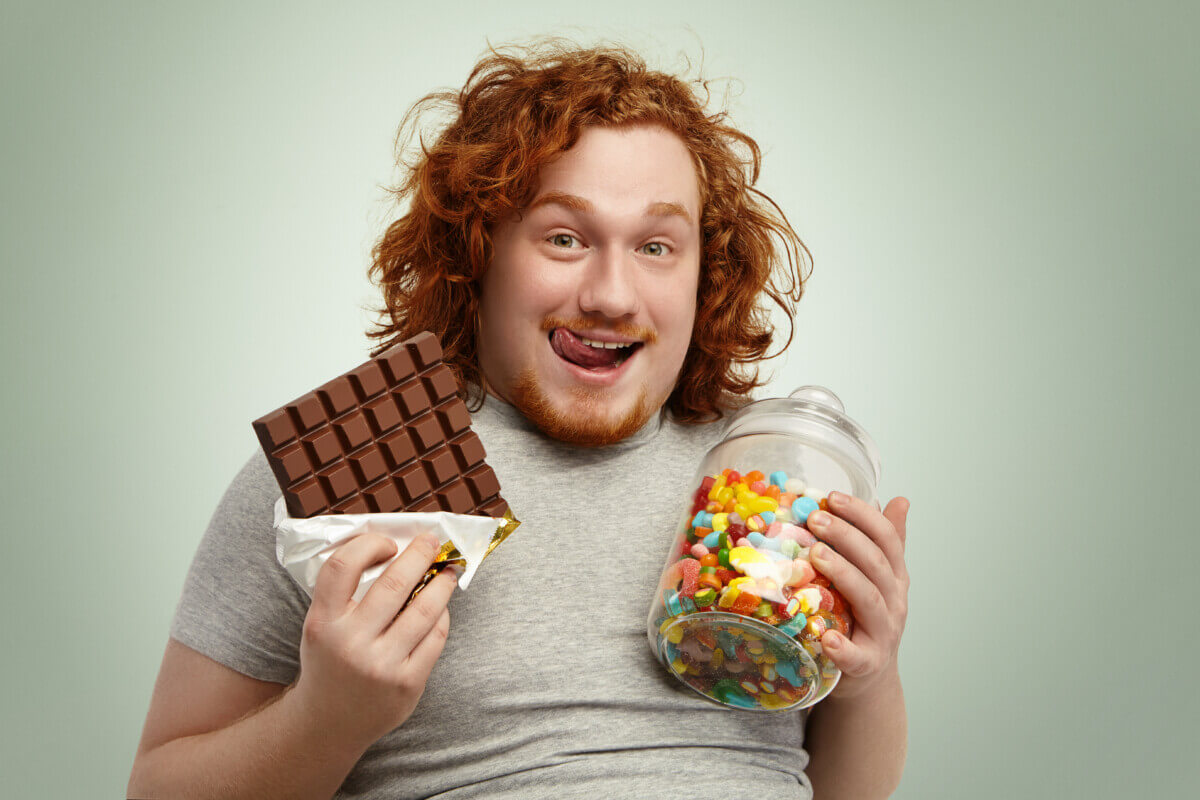
NEW YORK — We all get the occasional sugar craving, but a new survey finds that most Americans have gone completely overboard when it comes to sweet treats and drinks. In a startling revelation, the average American consumes an astonishing 36,000 grams of sugar per year — equivalent to nearly 80 pounds.
This eye-opening statistic emerges from a poll of 2,000 Americans conducted by Talker Research on behalf of Hint Water, shedding light on the nation’s sugar habits and their surprising impact on hydration levels. The study found that the typical American ingests 99 grams of sugar daily, surpassing the sugar content of two 12-ounce cans of soda. This excessive consumption comes despite 85% of respondents actively working to reduce their sugar intake.
The survey also reveals that for 34% of respondents, the majority of their daily sugar intake in beverages comes from their morning coffee. Another 28% say that soda makes up most of their liquid consumption.
Interestingly, more than half of the participants (51%) believe that their sugar cravings might actually be a sign of dehydration. This insight gains significance when considering that respondents reported drinking only 48 ounces of water on a typical day, far below recommended levels.
“The study revealed that, on a regular day, the average respondent consumes more than twice the amount of sugar recommended by the American Heart Association and significantly less water than is recommended by the U.S. National Academy of Medicine. And while it’s important to showcase how much room we have for improvement, it’s also important to understand why this is the case,” says Amy Calhoun Robb, chief marketing officer at Hint Water, in a statement.

The survey explored the emotional triggers behind sugar cravings, with stress (39%), boredom (36%), fatigue (24%), and loneliness (17%) topping the list. When experiencing these cravings, respondents reported feeling anxious (23%), irritable (22%), impatient (20%), and unproductive (20%).
Common situations which often bring on sweet cravings include watching a movie (31%), finishing a meal (31%), needing a midday energy boost (30%), and having a bad day at work (19%). The survey also found that 3:12 p.m. as the peak time for sugar cravings to strike.
Perhaps most alarmingly, the average person can only resist a sugar craving for 13 minutes before giving in. Some go to extreme lengths to satisfy their sweet tooth, with 12% of respondents admitting they’ll make time in their busy schedules — no matter what — to obtain a sweet treat.
The aftermath of a sugar binge isn’t pretty either. Respondents reported experiencing a “crash” just 33 minutes after indulging, often feeling fatigued (42%), regretful (25%), and unfocused (21%).
As Americans grapple with their sugar addiction, the survey highlights a growing awareness of the importance of hydration. Over half of the respondents (51%) are actively working to drink more water specifically to prevent sugar cravings, making improved hydration their number one health goal.
“Whether you just want a post-meal treat or need a boost during your work day, you might find yourself relying more on sugar than you think you do. And from there, it can be easy to lose focus on your health goals, including healthy hydration,” says Calhoun-Robb. “Fortunately, you don’t have to sacrifice your health goals and settle for bland options. It is possible to enjoy delicious-tasting foods and drinks without sugar or guilt, it simply takes a bit of intentionality and finding brands and products that prioritize your health as much as you do.”
Survey methodology
This random double-opt-in survey of 2,000 general population Americans was commissioned by Hint Water between May 30 and June 3, 2024. It was conducted by market research company Talker Research, whose team members are members of the Market Research Society (MRS) and the European Society for Opinion and Marketing Research (ESOMAR).


Sugar is Not a food or nutrient, as many believe, but a DRUG.
When will we wake up and realize how toxic sugar is? And how much of Big Food’s profits come from it?
self-reported, so the number is probably much higher, no wonder we get obese.
Is this all sugar or sugar added? Would the sugar from a piece of fruit count towards the 99g of sugar a day?