
(Image by F01 PHOTO on Shutterstock)
In A Nutshell
- Half of Americans are struggling to pay monthly bills on time, with an equal number finding it difficult to afford basic necessities like groceries
- Tax refunds have become survival money rather than bonus money, with 73% saying they need their refund more than ever and only 14% planning to spend it on anything fun
- 38% of Americans have been forced to move due to costs, with younger generations hit hardest; half of Gen Z relocated because they couldn’t afford where they lived
- Most Americans have given up on their ideal location, with 64% of Gen Z believing they’ll never be able to afford living where they want to live
Rent is due. The electric bill sits on the counter. The grocery receipt from last week still stings. For half of Americans, keeping up with basic monthly bills has become nearly impossible.
A nationwide survey of 5,000 Americans from Talker Research reports 52% now struggle to pay bills like rent on time each month, while an equal number are struggling to afford necessities like groceries. Nine in 10 people believe the U.S. is experiencing a full-blown cost-of-living crisis, and nearly eight in 10 said everything became more expensive in 2025.
The question isn’t whether Americans are struggling. It’s what they’re doing about it.
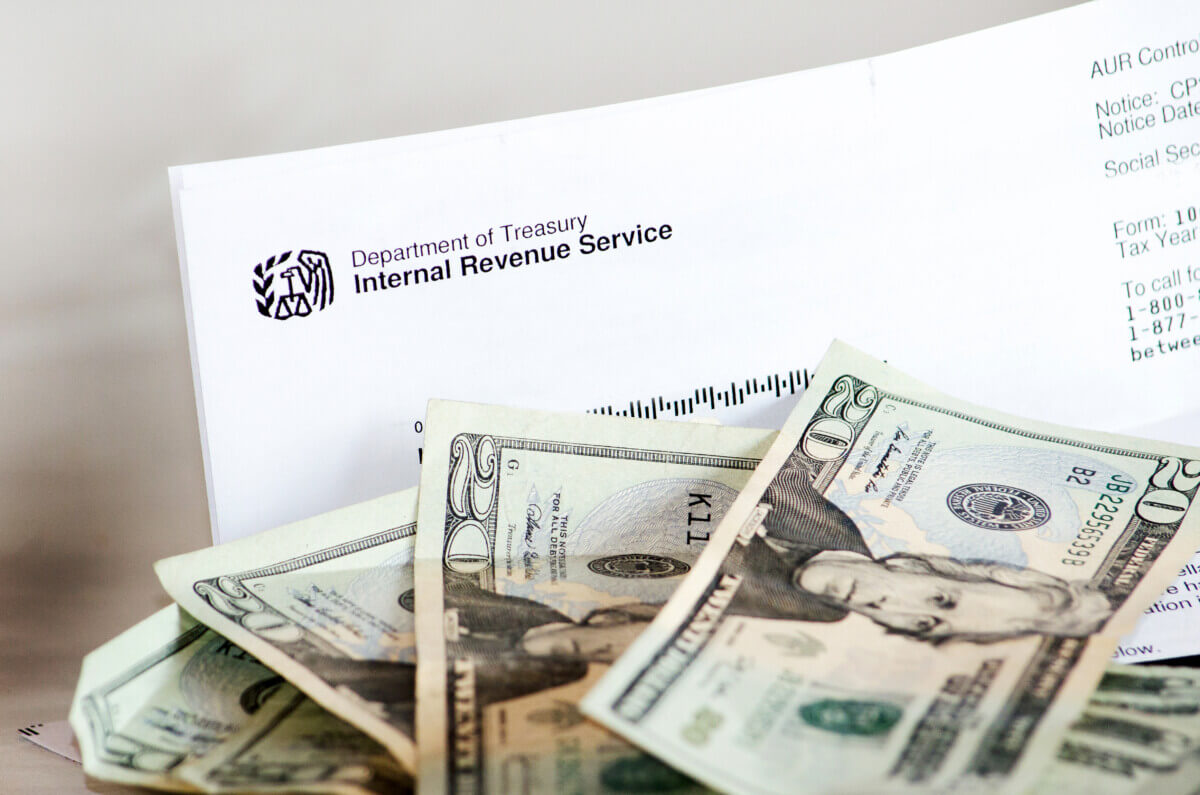
Tax Refunds Have Become Survival Money
What used to be bonus money for a vacation or a splurge has become the difference between making it through the month or not.
Half of respondents said they expect a tax refund this year, and among those, 73% admitted they need it more than ever before. Six in 10 said they need their refund earlier than usual just to stay afloat. The desperation shows up most clearly among younger Americans, where 74% of Gen Z expecting refunds said they need the money earlier than ever, compared to just 34% of baby boomers. That gap tells a story about which generation has any financial cushion left.
Where the money goes tells a similar story. Nearly three in 10 people plan to use refund money on necessities like groceries and gas. Another quarter will put it toward savings or paying down debt. Only 14% said they’d spend refund money on anything fun.
Think about that for a moment. When tax refunds stop feeling like extra money and start functioning as a financial backstop, something fundamental has shifted about what it means to get by in America.
“Tax refunds are often the biggest checks many Americans receive each year and now more than ever, they are a critical source of liquidity that people are not only counting on, but are in need of earlier than ever,” said Erin Bruehl, VP of Communications at Current.com, which commissioned the study. “They’ve become lifelines to pay down debt and avoid missed payments and late fees.”
When Home Becomes Unaffordable
The cost crisis isn’t just making people broke. It’s making them homeless in a different sense, forcing them to abandon places that used to feel like theirs.
More than a third of respondents have already moved because where they were living became too expensive. About a third of those relocated to a different city, while another third left their state entirely, searching for someplace they could actually afford. Half of Gen Z respondents reported moving due to costs, compared to just 19% of baby boomers.
What’s worse is how many Americans have stopped dreaming. About half of all respondents don’t believe they’ll ever be able to afford living in their “ideal” city or state. Among Gen Z, nearly two-thirds have abandoned hope of affording their ideal city. That’s not just about housing markets or inflation. That’s about an entire generation learning to aim lower because aiming higher feels pointless.
The geography of affordability matches expectations. Coastal states and mountain resort areas rank as largely out of reach, with Hawaii, Alaska, and Colorado at the bottom. California, New York, and Illinois aren’t far behind. Meanwhile, Southern and Midwestern states dominate the affordable rankings, with Mississippi, Alabama, and Oklahoma at the top.
But “affordable” is relative. Even in the states people rated most affordable, only about six in 10 respondents said they could actually manage the cost of living there. That means even in the cheapest parts of America, four in 10 people look at the prices and think: not for me.
The New American Math
The numbers in this survey don’t just describe a financial crisis. They describe a psychological one.
When half the country can’t reliably pay monthly bills, when nine out of 10 people agree there’s a crisis, when an entire generation has given up on living where they want to live, that’s not a temporary rough patch. That’s a recalibration of what counts as normal.
Consider what it means that tax refunds have transformed from windfalls into emergency funds. Or that being able to spend 11% of a windfall on something fun now counts as privileged. Or that “affordable” states still feel out of reach to 40% of people. These aren’t just statistics about money. They’re statistics about hope, or the lack of it.
The survey was commissioned by Current and conducted by Talker Research between December 2025 and January 2026. It captured Americans at a specific moment, but for many Americans, this no longer feels like a temporary rough patch. This is where we are now. The American promise used to include the idea that hard work could get you somewhere. Now it just might keep you from falling further behind.
Survey Notes
Methodology
Talker Research surveyed 5,000 Americans state by state, with 100 respondents from each state. The sample was split evenly by generation: 1,250 Gen Z, 1,250 millennials, 1,250 Gen X, and 1,250 baby boomers. All respondents had internet access and planned to file taxes.
The survey was commissioned by Current, a financial services company, and administered and conducted online by Talker Research between December 17, 2025, and January 5, 2026.
Limitations
The survey methodology has several considerations. First, the sample included only people with internet access who plan to file taxes, which may exclude some lower-income populations and those working in cash economies. Second, responses reflect perceptions of affordability rather than objective measures of cost burden, meaning what one person considers “affordable” may differ from another person’s definition. Third, the sample size of 100 respondents per state means state-level findings have larger margins of error than the national findings. Finally, generational comparisons should be interpreted with the understanding that Gen Z respondents are at different life stages than baby boomers, which naturally affects their financial situations and housing expectations beyond inflation and cost factors alone.
Funding and Disclosures
The research was commissioned by Current, a financial services company that offers banking and tax refund services. The company has a financial interest in highlighting consumer need for early access to tax refunds, as this aligns with its business model.


I sold my house in the twin cities recently. From 1200$ monthly mortgage to over 2000$ a month…. This isn’t even including grocery internet insurance….. Etc…
Ask me the last time I spent money on healthcare….