
Different time, different mind. (© Leo - stock.adobe.com)
Experts discover how the hippocampus might grow new cells throughout life, even in old age.
In a Nutshell
- A new study finds rare neural stem cells in the adult human hippocampus, suggesting some brains can generate new neurons into old age.
- Researchers combined genetic sequencing, machine learning, and spatial mapping to locate these elusive cells.
- The results point to individual differences and hint that adult neurogenesis, while limited, may help maintain memory and mood.
STOCKHOLM — A longstanding question in neuroscience has been whether the adult human brain continues to generate new neurons. Decades of conflicting studies left the issue unresolved, but a new study provides strong evidence that rare neural progenitor cells persist in the hippocampus well into later life — in some cases, up to age 78.
Researchers at Sweden’s Karolinska Institute discovered the elusive neural stem cells responsible for creating new neurons in the hippocampus, the brain region crucial for memory formation and mood regulation. Using advanced genetic sequencing and machine learning, they identified these rare cells that had previously escaped detection in adult brains.
The work, published in Science, sheds new light on how adult brains might retain a capacity for renewal, even if the process is far less robust than in early life or in other species.
Why New Neurons Matter for Memory and Mood
The hippocampus plays a central role in memory formation and mood regulation. In rodents, continuous birth of new neurons helps with learning and stress resilience. While clear evidence exists for neurogenesis in animals, human studies have produced contradictory results. Some found molecular markers hinting at new neuron growth; others failed to detect dividing cells at all.
The Swedish research team suspected the answer lay in the rarity of these cells and the technical limits of previous methods. By training algorithms on genetic patterns seen in young children’s brains, where new neuron production is well established, the researchers were able to search for similar cells hidden among hundreds of thousands of adult brain cells.
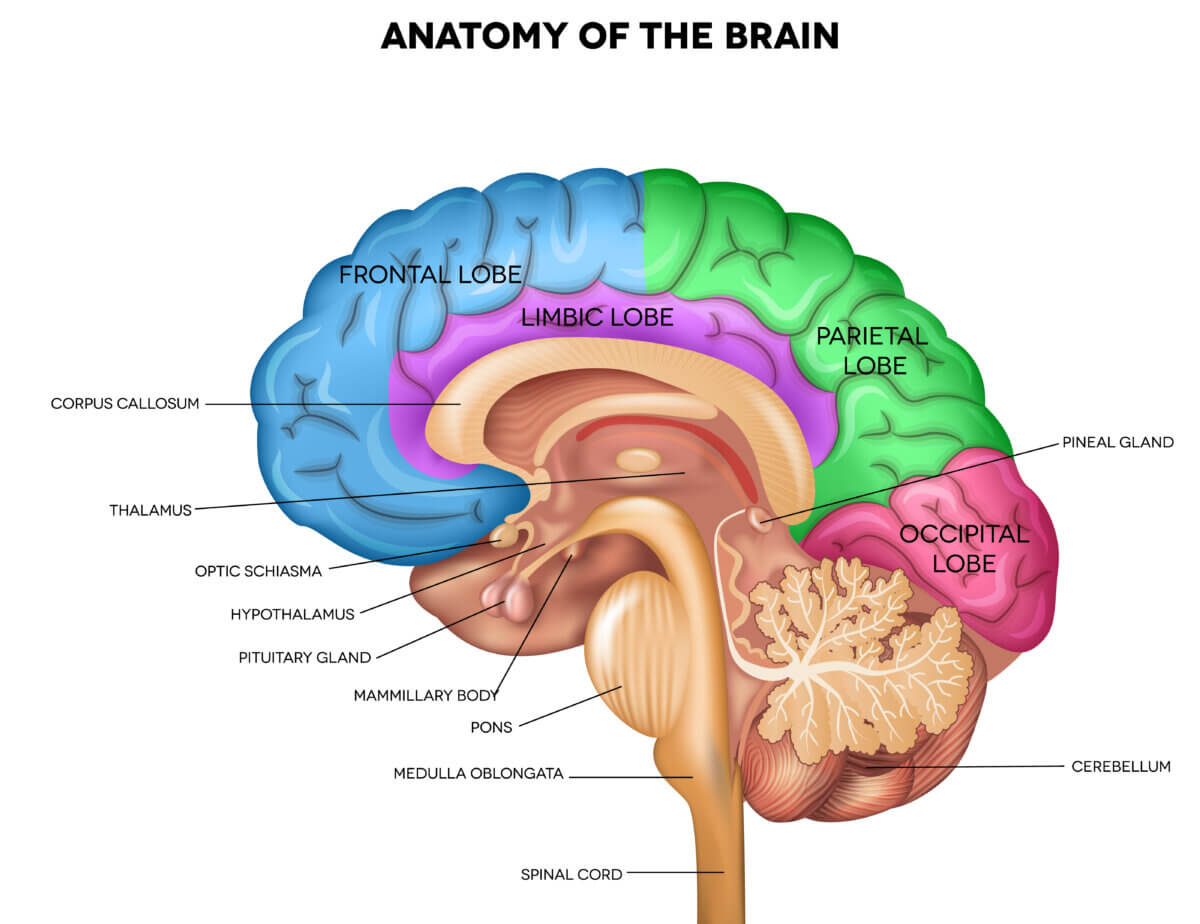
Scientists Hunt Down Hidden Brain Cells
The study examined brain tissue from 25 donors, ranging from newborns to adults in their late seventies. Using single-nucleus RNA sequencing — a technique that reads the genetic activity of individual cells — they mapped out the stages of neuron development.
In children, the neurogenic process was clearly visible: neural stem cells progressed into intermediate progenitors, then neuroblasts, and finally into new neurons. When they applied the same approach to adult brains, however, the actively dividing cells seemed to disappear. Instead of giving up, the researchers trained computer algorithms to recognize the genetic patterns of neural stem cells from children’s brains, then used these programs to scan through hundreds of thousands of adult brain cells.
To boost their chances of finding these rare cells, they also used flow cytometry, a technique that sorts and concentrates actively dividing cells from brain tissue samples.
Adult Brains Show Surprising Individual Differences
The strategy paid off. Across 19 adolescent and adult brains, the team identified 354 neural stem cells and their descendants, confirming they were located in the dentate gyrus. This is the specific hippocampal region where new neuron production occurs.
Results varied greatly among individuals. Some adults showed robust numbers of dividing neural cells, while others had none detectable. In one notable case, a 40-year-old with epilepsy exhibited unusually high levels of new neuron production. The finding aligns with previous evidence that seizures can stimulate neurogenesis as a possible repair mechanism.
Not everyone showed evidence of active new neuron production. The researchers found no dividing neural cells in two out of four adolescents and five out of 14 adults, though they could still identify young neurons in most of these cases. Spatial mapping confirmed that cells expressing neurogenic markers were clustered where expected in the hippocampus.
Could New Neurons Improve Cognitive Health in Adults?
Although the number of new neurons identified was small, such cells may still influence brain function. Immature neurons tend to be highly plastic, meaning they can adapt and form new connections more readily than mature neurons. Even limited neurogenesis could contribute to learning, memory consolidation, and resilience to stress or disease.
The study does not resolve all questions about adult neurogenesis. More work is needed to understand how lifestyle, age, and conditions such as depression or epilepsy affect the process, and whether therapies could enhance it. Still, these findings provide a cellular basis for the idea that the adult human brain retains at least some capacity to generate new neurons, a potential that may help maintain cognitive health over the lifespan.
Paper Summary
Methodology
Researchers analyzed hippocampal brain tissue from 25 individuals ranging from newborns to 78 years old using single-nucleus RNA sequencing, which reads genetic activity in individual cells. They first studied children’s brains to identify the genetic signatures of neural progenitor cells, then trained machine learning algorithms to recognize these signatures in adult brains. To increase their chances of finding rare proliferating cells, they used flow cytometry to enrich samples with actively dividing cells. They also employed spatial transcriptomics techniques (RNAscope and Xenium) to confirm the location of neural progenitor cells within brain tissue.
Results
The study identified 354 neural progenitor cells across adolescent and adult brains, including neural stem cells, intermediate progenitor cells, and neuroblasts. These cells were confirmed to be located in the dentate gyrus region of the hippocampus, where neurogenesis occurs. The researchers found substantial individual variation, with some adults showing much higher numbers of proliferating cells than others. Neural progenitors were detected in all childhood subjects but were absent in 2 out of 4 adolescents and 5 out of 14 adults, though immature neurons could still be identified in most cases where progenitors were missing.
Limitations
The study acknowledges several limitations, including substantial individual variation that makes it difficult to draw conclusions about neurogenesis rates across different ages in adulthood. The research was not designed to determine relationships between neurogenesis and specific diseases or pathologies. Different nuclear enrichment protocols across samples also made direct comparisons challenging. Additionally, the rarity of neural progenitor cells means that negative results don’t necessarily indicate absence of neurogenesis.
Funding and Disclosures
This research was funded by the Swedish Research Council, European Research Council, Swedish Cancer Foundation, Knut and Alice Wallenberg Foundation, and other Swedish research institutions. Several authors declared competing interests: two authors serve as consultants to 10x Genomics, one author works at AAX Biotech AB, and another is CEO of Xpress Genomics.
Publication Information
“Identification of proliferating neural progenitors in the adult human hippocampus” by Ionut Dumitru, Marta Paterlini, Margherita Zamboni, Christoph Ziegenhain, Sarantis Giatrellis, Rasool Saghaleyni, Åsa Björklund, Kanar Alkass, Mathew Tata, Henrik Druid, Rickard Sandberg, and Jonas Frisén was published in Science on July 3, 2025, Volume 385, Issue 6706, pages 58-63.


