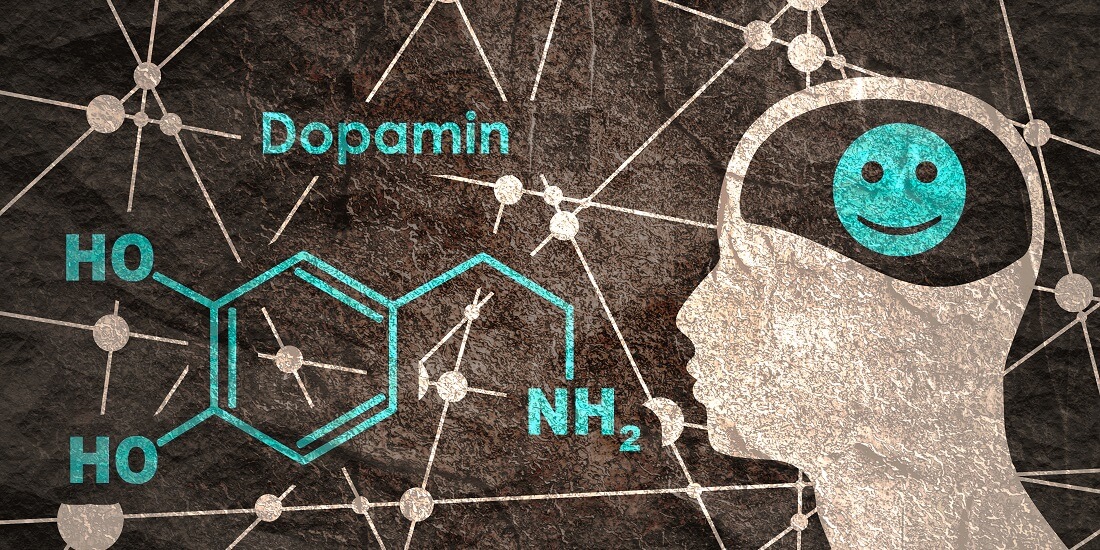
Among other things, dopamine can affect our feeling of happiness. (Illustration: Shutterstock, NTB/Norwegian University of Science and Technology)
WAKO, Japan — Scientists at Japan’s RIKEN Center for Brain Science have uncovered a potential new approach to combating Alzheimer’s disease. The research, led by Takaomi Saido and his team, suggests that dopamine – a neurotransmitter often associated with pleasure and reward – might play a crucial role in fighting the devastating effects of this neurodegenerative condition.
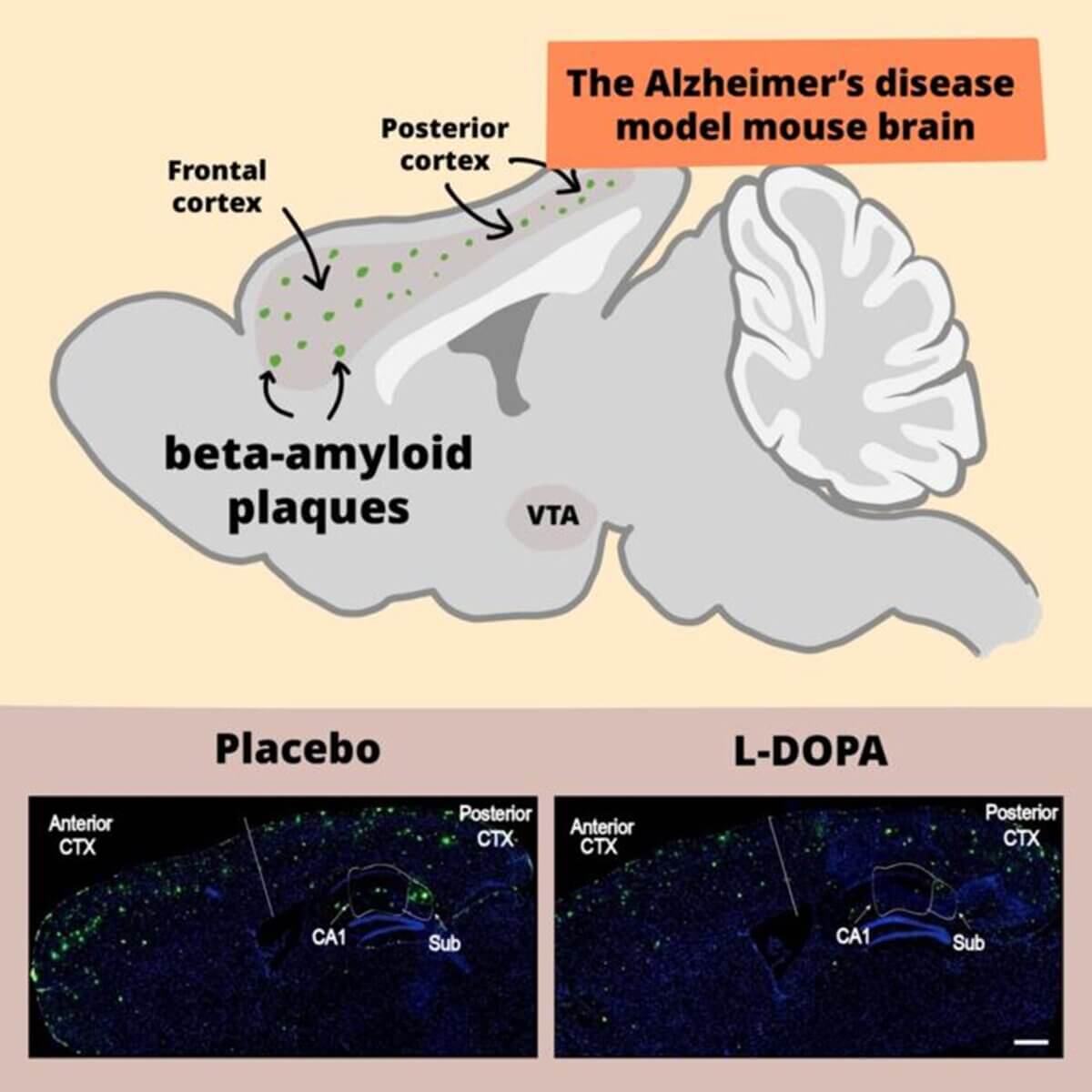
Alzheimer’s disease, which affects millions worldwide, is characterized by the buildup of harmful protein clumps called plaques in the brain. These plaques, made up of beta-amyloid proteins, are believed to be a major culprit behind the memory loss and cognitive decline associated with the disease.
The study, published in the journal Science Signaling, focused on an enzyme called neprilysin. This enzyme acts like a tiny clean-up crew in the brain, breaking down the beta-amyloid proteins before they can form plaques. Previous research had shown that increasing neprilysin levels in mice could reduce plaque formation and improve memory, but finding a way to boost neprilysin in humans has been challenging.
Enter dopamine. The researchers discovered that treating brain cells with dopamine increased the production of neprilysin and reduced the levels of free-floating beta-amyloid. This finding opened up an exciting new avenue for potential Alzheimer’s treatments.
To test their theory, the team used a sophisticated technique called the DREADD system in mice. This allowed them to precisely control dopamine-producing neurons in the animals’ brains. The results were promising. Increased dopamine led to higher neprilysin levels and fewer beta-amyloid plaques in the front part of the mouse brains.
However, the real excitement came when the researchers tried a more practical approach. They treated mice with L-DOPA, a drug commonly used for Parkinson’s disease that the body converts into dopamine. This treatment not only increased neprilysin and decreased plaques throughout the brain but also improved the mice’s performance on memory tests.
“We have shown that L-DOPA treatment can help reduce harmful beta-amyloid plaques and improve memory function in a mouse model of Alzheimer’s disease,” explains Watamura Naoto, the study’s first author, the media release.
This research is particularly intriguing because it suggests a potential new use for an existing medication. L-DOPA has been used to treat Parkinson’s disease for decades, meaning its safety profile in humans is well understood. However, the researchers caution that more work needs to be done before this approach can be tested in people with Alzheimer’s.
“L-DOPA treatment is known to have serious side effects in patients with Parkinson’s disease,” Naoto adds. “Therefore, our next step is to investigate how dopamine regulates neprilysin in the brain, which should yield a new preventive approach that can be initiated at the preclinical stage of Alzheimer’s disease.”
The study also revealed another interesting finding: neprilysin levels naturally decrease with age in mice, especially in the front part of the brain. This suggests that neprilysin levels could potentially serve as an early warning sign for Alzheimer’s risk, helping doctors identify and treat the disease before symptoms appear.
While these results are exciting, it’s important to remember that success in animal studies doesn’t always translate directly to humans. Many promising Alzheimer’s treatments have shown great results in mice only to fall short in human trials. However, this new approach offers a fresh perspective on tackling the disease, focusing on boosting the brain’s natural defenses rather than directly targeting the plaques themselves.
The potential of using dopamine to fight Alzheimer’s also raises intriguing questions about the broader role of this neurotransmitter in brain health. Dopamine is already known to play crucial roles in motivation, pleasure, and movement control. Could it also be a key player in maintaining cognitive health as we age?
For now, the team at RIKEN CBS is hard at work unraveling the mysteries of how dopamine influences neprilysin production in the brain. Their findings could pave the way for new preventive strategies, offering hope to millions affected by Alzheimer’s disease worldwide.


