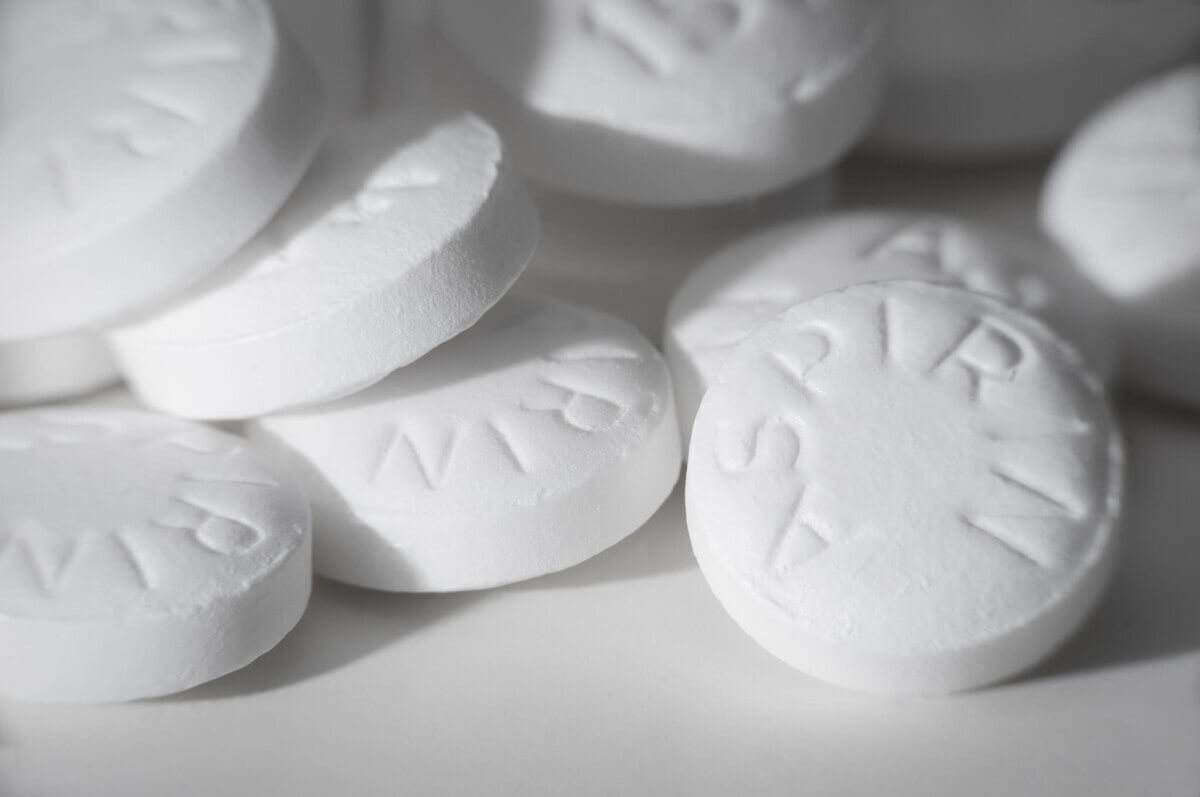
(© blueskies9 - stock.adobe.com)
For years, doctors have touted the potential benefits of taking a daily aspirin to reduce the risk of colorectal cancer. Now, a new study suggests that this simple over-the-counter medication may pack an even bigger punch for those who need it most – people with less-than-healthy lifestyles.
Researchers from Harvard Medical School and Massachusetts General Hospital have found that while regular aspirin use can lower colorectal cancer risk for most people, the protective effect is significantly more pronounced in individuals with unhealthy habits like smoking, being overweight, or not exercising regularly.
This discovery could help doctors better target cancer prevention efforts and provide new motivation for those struggling to adopt healthier behaviors.
“Our results show that aspirin can proportionally lower the markedly elevated risk in those with multiple risk factors for colorectal cancer,” said Dr. Daniel Sikavi, lead author of the paper and a gastroenterologist at MGH. “In contrast, those with a healthier lifestyle have a lower baseline risk of colorectal cancer, and, therefore, their benefit from aspirin was still evident, albeit less pronounced.”
The study, published in JAMA Oncology, followed over 100,000 health professionals for more than three decades, tracking their aspirin use, lifestyle habits, and rates of colorectal cancer. The results were eye-opening: While aspirin use was associated with a lower cancer risk across the board, the magnitude of that benefit varied dramatically based on how healthy a person’s overall lifestyle was.
For those with the unhealthiest lifestyles – characterized by factors like obesity, smoking, heavy drinking, lack of exercise, and poor diet – regular aspirin use was linked to a whopping 1.28% reduction in the absolute risk of developing colorectal cancer over 10 years. To put that in perspective, it means that for every 78 people with very unhealthy lifestyles who took aspirin regularly, one case of colorectal cancer was prevented.
In contrast, among those with the healthiest lifestyles, the benefit was much more modest – just a 0.11% reduction in absolute risk. In other words, 909 people with very healthy lifestyles would need to take aspirin regularly to prevent one case of colorectal cancer.
Of course, these findings don’t mean that people with healthy lifestyles shouldn’t take aspirin. Rather, the authors suggest that aspirin may be an especially powerful tool for cancer prevention in those who are at higher risk due to unhealthy behaviors.
The study’s results highlight the importance of considering both medication and lifestyle factors in cancer prevention strategies. While adopting healthy habits like maintaining a normal weight, not smoking, exercising regularly, and eating a balanced diet remains crucial for reducing cancer risk, aspirin may offer an additional layer of protection – especially for those who struggle to make these lifestyle changes.
Interestingly, the researchers found that body mass index (BMI) and smoking status had the biggest impact on how much benefit people got from aspirin use. This suggests that overweight individuals and smokers might have the most to gain from adding a daily aspirin to their health regimen, though of course quitting smoking and losing weight should still be primary goals.
It’s important to note that while these findings are promising, they also don’t mean everyone should start taking aspirin immediately. The medication can have side effects, including an increased risk of bleeding, so it’s crucial to consult with a healthcare provider before starting any new medication regimen.
Moreover, the study’s authors emphasize that aspirin is not a substitute for a healthy lifestyle. Even among those taking aspirin regularly, people with healthier habits still had a lower overall risk of colorectal cancer than those with unhealthy lifestyles.
Whether you’re a health nut or someone who’s still working on kicking that smoking habit, this study underscores an important message: When it comes to preventing colorectal cancer, every positive step counts – and for some, a daily aspirin might be a particularly powerful weapon in that fight.
Paper Summary
Methodology
The researchers analyzed data from two long-running studies of health professionals: the Nurses’ Health Study and the Health Professionals Follow-up Study. They looked at information on over 100,000 participants collected over more than 30 years. The researchers assessed participants’ aspirin use (defined as taking at least two standard 325mg tablets per week) and created a “healthy lifestyle score” based on five factors: body mass index, smoking status, alcohol intake, physical activity, and diet quality. They then tracked who developed colorectal cancer over time and used statistical methods to calculate how aspirin use and lifestyle factors related to cancer risk.
Results
Overall, regular aspirin users had a 0.97% lower absolute risk of developing colorectal cancer over 10 years compared to non-users. However, this benefit varied significantly based on lifestyle:
- For those with the unhealthiest lifestyles, aspirin use was associated with a 1.28% reduction in absolute risk.
- For those with the healthiest lifestyles, the reduction was only 0.11%.
The researchers found similar patterns when looking at 20-year risk reductions. Among individual lifestyle factors, body mass index and smoking status had the biggest impact on aspirin’s effectiveness.
Limitations
The study population was primarily white health professionals, which may limit how generalizable the results are to other groups. The data on aspirin use and lifestyle factors were self-reported, which could introduce some inaccuracies. The study didn’t systematically assess potential side effects of aspirin use or account for hereditary cancer syndromes.
Discussion and Key Takeaways
This study suggests that aspirin may be particularly beneficial for colorectal cancer prevention in people with unhealthy lifestyles. However, a healthy lifestyle still provides the best overall protection against cancer. The findings could help doctors identify patients who might benefit most from aspirin use for cancer prevention. More research is needed to understand the mechanisms behind these effects and to develop personalized prevention strategies.
Funding and Disclosures
The study was supported by various grants from the National Institutes of Health and other research organizations. Dr. Andrew Chan reported receiving personal fees from several pharmaceutical companies outside of this study. The other authors declared no conflicts of interest.


