(Credit: © Sandra Cunningham | Dreamstime.com)
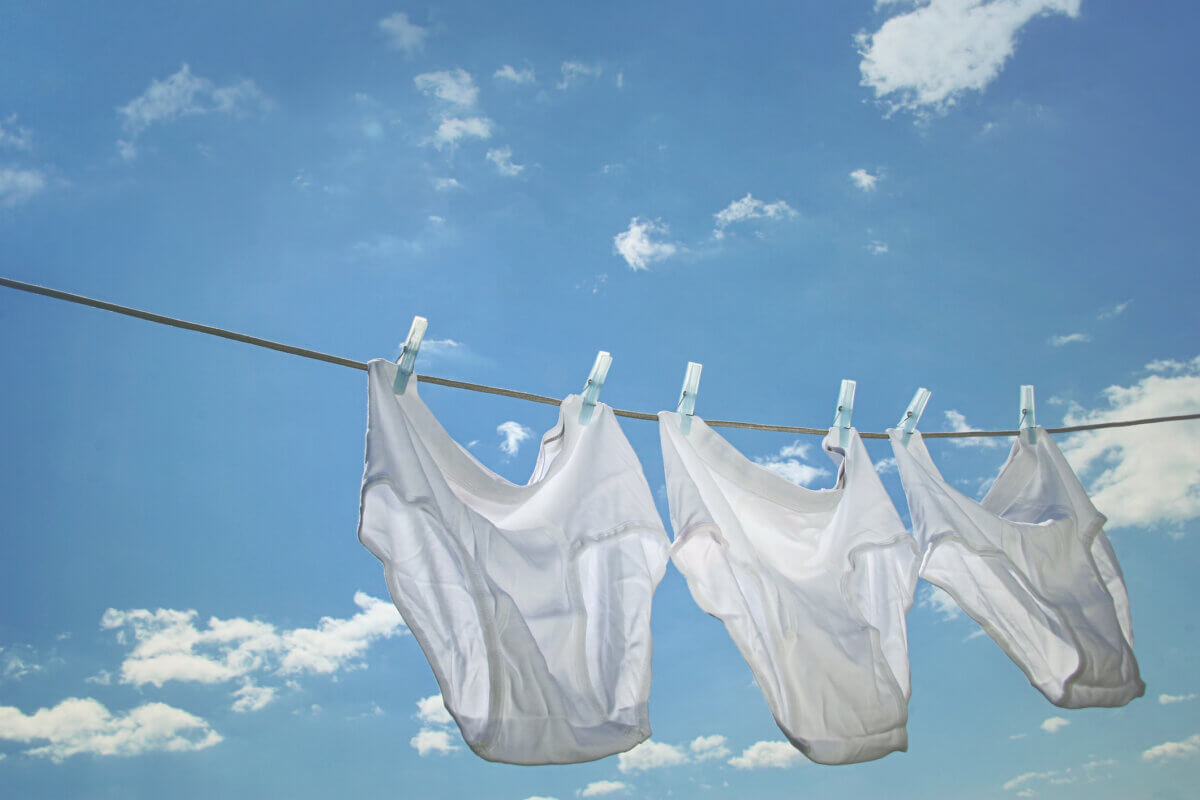
NEW YORK — The old adage “better safe than sorry” has taken on new meaning for nearly half of American adults who’ve added an unusual item to their daily precautionary measures: spare underwear. This growing trend in personal preparedness isn’t just paranoia—70% of these forward-thinking individuals have found themselves grateful for their backup plan.
The motivations behind this cautionary measure reveal much about human nature and our daily concerns. Thirty-nine percent pack an extra pair when anticipating potential accidents, while 37% simply know they’ll need a wardrobe change during their day. A more modest 18% acknowledge their tendency to spill things on themselves, demonstrating admirable self-awareness in their accident-prone nature.
Younger generations appear to be leading this trend in preparedness. The study, conducted by Talker Research and commissioned by Hanes reveals that 60% of Gen Z and 57% of millennials maintain “in case of emergency” underwear, suggesting a shifting attitude toward personal comfort and readiness among younger Americans.
The Lifecycle of Our Undergarments
The research provides fascinating insights into how long Americans hold onto their underwear. On average, people keep their underwear for three years, with a dedicated 10% maintaining their collection for six years or more. An interesting correlation emerged between backup carriers and underwear longevity: 82% of those who carry spares believe underwear should be replaced after two years, while 83% of non-backup carriers extend that timeline to three years.
Women’s bras show even greater staying power, with an average lifespan of four years. A particularly committed 8% of women report wearing bras that have survived a decade or more.
The study also revealed average retention periods for various clothing items. Button-ups and blouses typically last three-and-a-half years, while T-shirts, pants, jeans, shorts, and skirts generally serve for about three years. Survey participants indicated that socks, underwear, and bras should ideally be replaced every two years.
Americans have clear criteria for retiring their underwear: 71% cite holes as the primary reason, 42% point to stains, and 39% mention stretched-out waistbands. Notably, 29% continue wearing underwear even after holes appear. For bras, the main reasons for replacement include poor fit (57%), holes (41%), and stretched-out straps (41%). Interestingly, 43% of women continue wearing ill-fitting bras.
The Numbers Game
The average American maintains just four “good” pairs of underwear in their rotation, while women typically have three “good” bras. Based on a three-year lifespan, these four pairs of underwear can withstand approximately 274 wears before becoming too hole-y. Bras, lasting four years, average 487 wears each.
“It’s smart to replace old, ill-fitting underwear, bras and socks that are past the point of no return. Worn-out fabrics and bands can compromise comfort and fit,” says Dawn HedgepethFresh, CMO at HanesBrands Innerwear, in a statement. “Modern pieces offer the perfect blend of style and support, helping you move through your day with confidence. Once you find that pair of underwear or socks or a bra that fits perfectly, there can be a noticeably comfortable difference in how you feel.”
So where do you stand in this survey? Thinking about tossing some of those older drawers of yours away? When you pick up some new pairs, you might want to consider that backup pair, too.
“It’s never a bad idea to have a backup plan,” says Hedgepeth.
Methodology
The survey, commissioned by Hanes and conducted by Talker Research, gathered responses from 2,000 Americans with an equal gender split. The research was conducted online between August 27 to September 3, 2024.


Interesting survey but not very realistic. I consider myself just an ordinary guy. I own perhaps 25 pairs of underwear including briefs and boxers. The thing is that my wife washes every day except Sunday so I’m continuing to wear the same few pairs of underwear day in and day out because they are so regularly washed and put in the drawer on top of all the rest of the underwear that I therefore never get to wear.