
(Photo by Krakenimages.com on Shutterstock)
Grocery shopping survey reveals many consumer battle ‘aisle anxiety,’ and view their purchases as investments.
In A Nutshell
- Americans make about 50 decisions daily, or nearly 1.5 million over a lifetime.
- Shoppers second-guess 41% of daily choices, and 1 in 8 people overthink nearly every decision.
- Grocery stores are the biggest trigger: the average person spends 4 minutes deciding on each item, with 1 in 4 often feeling overwhelmed by the options.
- 36% of consumers research food items before buying, scrutinizing labels and certifications like organic or Fair Trade. Awareness of lesser-known certifications such as FairWild (46%) and Fair for Life (37%) remains low.
- Nearly half of shoppers (49%) view grocery purchases as an investment in their health, longevity, or values. Many are willing to pay up to 39% more for products that are certified ethical and sustainable.
NEW YORK — You’re standing in the grocery store, spending four minutes staring at cereal options while anxiety builds. Sound familiar? New research reveals that the average American second-guesses 41% of their daily decisions, and one in eight people have become such extreme overthinkers that they contemplate nearly every choice they make.
The Talker Research survey of 2,000 adults found that Americans make about 50 decisions daily, totaling nearly 1.5 million choices over a lifetime. Where does all this decision anxiety peak? The grocery store, where our quest for the “perfect” purchase has turned routine shopping into an exhausting mental exercise.
‘Aisle Anxiety’ When Making Grocery Decisions
The numbers reveal the extent of modern shopping stress. Americans spend an average of four minutes deliberating each grocery store item, with nearly a third (32%) taking even longer. One in four shoppers admit they often get overwhelmed with choices in the grocery store, while 54% feel pressure to always try and make the “right” purchase.
Researchers have identified “aisle anxiety” as a real phenomenon. More than a third of shoppers (36%) experience this stress while grocery shopping, triggered by feeling overwhelmed by different options (39%) and crowded by others (37%). This anxiety kicks in after just four minutes of looking for a specific product.
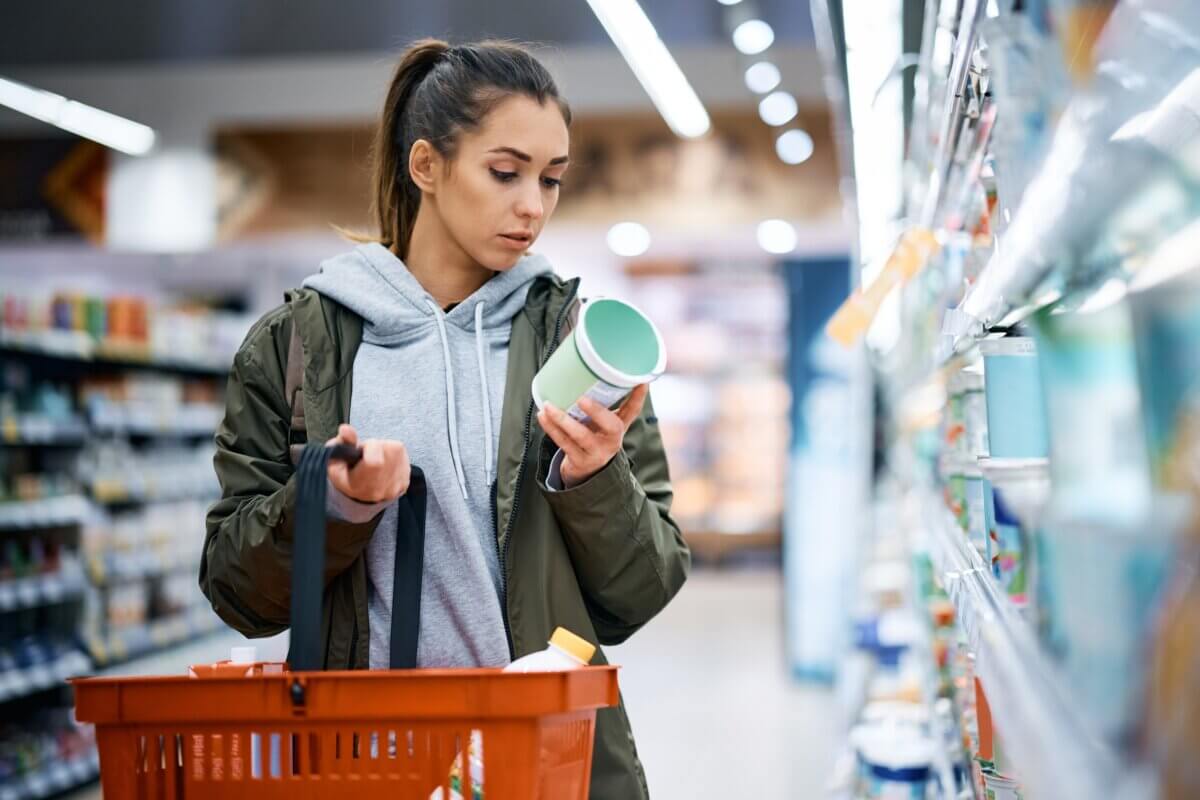
Seven in 10 Americans want to be 100% certain that every item in their cart is right for them, and a similar percentage (71%) are trying to be more deliberate with their decisions. This perfectionist approach has created what researchers call “product detectives,” the 36% of consumers who research the items they purchase, often scrutinizing labels, packaging and certifications to ensure they’re making informed choices.
“We’re seeing more consumers give thoughtful consideration to the labeling and claims on items they’re considering purchasing, and while certifications like organic and Fair Trade are increasingly familiar to shoppers, awareness of others like Fair for Life or FairWild still lags behind,” said Jamie Horst, chief purpose officer at Traditional Medicinals, which commissioned the survey.
The Rise of Research-Heavy Shopping
Today’s shoppers are doing more homework than ever before. Forty percent of consumers said that they research food products more today than they did five years ago, specifically looking at claims of being “healthier for you” (38%), non-toxic or “clean” (20%) or containing no added sugar (19%).
They’re also seeking items that are sustainable (45%), purpose-driven (40%) and ethical (38%). However, awareness of certifications varies dramatically. While most shoppers recognize well-known labels like organic (74%) and Fair Trade (53%), far fewer are aware of other certifications that carry equally rigorous standards like FairWild (46%) and Fair for Life (37%).
Shoppers are more likely to believe that a product is high quality when it comes from a brand they trust (29%) and when there is ingredient transparency (19%). As long as their decisions feel like the best for themselves (42%) and give them a clear conscience (30%), the time spent thinking is well worth it for shoppers.
Is Your Food An Investment?
This meticulous approach stems from how Americans now view their purchases. Half of all consumers (49%) consider each item that they purchase at the grocery store to be an investment, especially when they help improve their wellbeing (43%), will last a long time before needing to be replaced (34%) or have a long shelf life in general (34%).
The investment mindset runs so deep that respondents said they’d pay 39% above retail price for something that is certified as ethical and sustainable. This willingness to pay premium prices reflects how deeply consumers want their purchasing decisions to align with their personal values.
Despite their methodical approach, a quarter of survey respondents (27%) find themselves often stressed by making simple decisions. The pressure to make the “right” choice creates real anxiety in retail environments.
“Shoppers have told us they view their purchases as an investment, and want to make the ‘right’ choice, but they’re often faced with overwhelming options,” said Horst. “Third party certifications like Fair for Life and FairWild give people the confidence that their purchase supports fair wages, safe working conditions and environmental stewardship — without having to research every detail themselves. When consumers see a trusted certification, it’s like a shortcut to feeling good about their decision. It means the product has already been vetted to meet high ethical, social and environmental standards, reassuring the consumer that their dollars in the grocery aisle are being spent in a meaningful way.”
The research reveals American consumers who are more thoughtful and invested in their purchasing decisions than previous generations. While this consciousness can create stress and decision paralysis, it represents consumers who genuinely care about the broader impact of their choices.
Survey Methodology
Talker Research surveyed 2,000 general population Americans; the survey was commissioned by Traditional Medicinals and administered and conducted online by Talker Research between July 22 and July 25, 2025.


