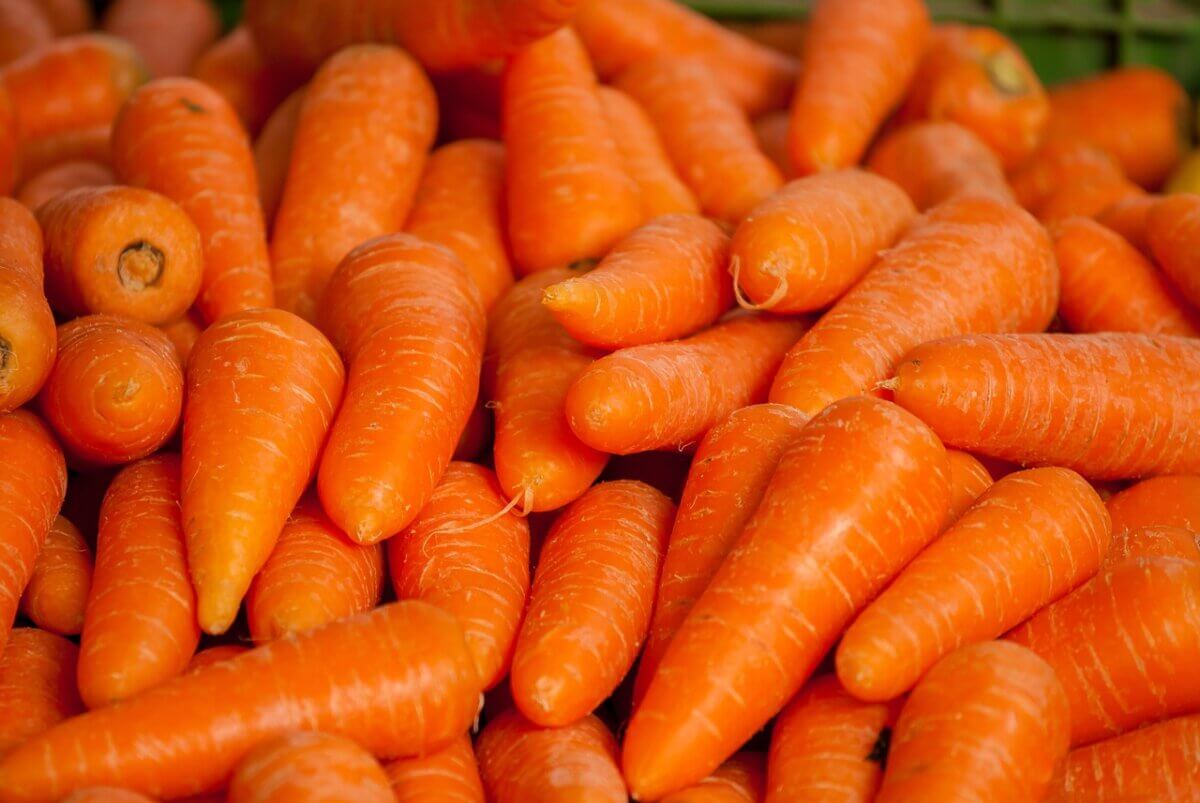
Photo by voltamax from Pixabay
CHICAGO — Make sure to grab an extra helping of carrots for dinner. New research finds that carrots aren’t just good for vision, they also do wonders for the skin. Study authors say that even a few helpings of baby carrots each week is enough to make a difference!
The new study presented at the NUTRITION 2024 conference, the flagship annual meeting of the American Society for Nutrition, found that snacking on a bag of baby carrots three times a week increased the levels of skin carotenoids in young adults. High skin carotenoid levels have a link to increased antioxidant protection and a lower risk for chronic diseases — including cancer and heart disease. A high carotenoid level also boosts a person’s immune function.
“Previous studies have demonstrated that skin carotenoid levels can be increased by consuming three times the recommended serving of fruits and vegetables every day for three weeks,” says Mary Harper Simmons, a Master of Science in Nutrition student at Samford University and lead author of the study, in a media release. “Our findings suggest that a small, simple dietary modification—incorporating baby carrots as a snack—can significantly increase skin carotenoid accumulation.”
Methodology
Sixty young adults were randomly assigned to eat Granny Smith apple slices, 100 grams (roughly half a cup) of baby carrots, a multivitamin supplement containing beta carotene, or a combination of baby carrots and the supplement for four weeks. The authors used a spectroscopy instrument called a VeggieMeter to measure participants’ skin carotenoids.
Carotenoids are responsible for the bright red, orange, and yellow colors of fruits and vegetables and can be measured in the skin to assess fruit and vegetable consumption.
Key Results
People who regularly ate baby carrots had a 10% increase in their skin carotenoid scores. These results were higher — an increase of 21.6% — when people ate baby carrots and took a multivitamin.
The skin benefits were only seen among people who ate baby carrots. The control group — people who ate Granny Smith apple slices — did not see a change in their skin carotenoid levels. There was also a lack of change in skin carotenoid levels among people who only consumed the multivitamin supplement containing beta-carotene.
Discussion & Takeaways
There may be several reasons why taking a multivitamin containing beta-carotene wasn’t powerful enough to increase skin carotenoid levels. Researchers say that other plant nutrients in carrots may have helped increase these young adults’ skin health.
Another theory is the difference in nutrient absorption when taking a multivitamin versus eating food. The research team is continuing to study these differences and whether other carotenoid-rich foods, such as sweet potatoes and green leafy vegetables, produce similar benefits.
For now, the findings suggest the best thing to do for your skin is to have both a multivitamin and baby carrots with your meals regularly.
“We found that the combination of baby carrots and a multivitamin supplement that contains beta carotene can have an interactive effect on skin carotenoid accumulation,” Simmons concludes.


