
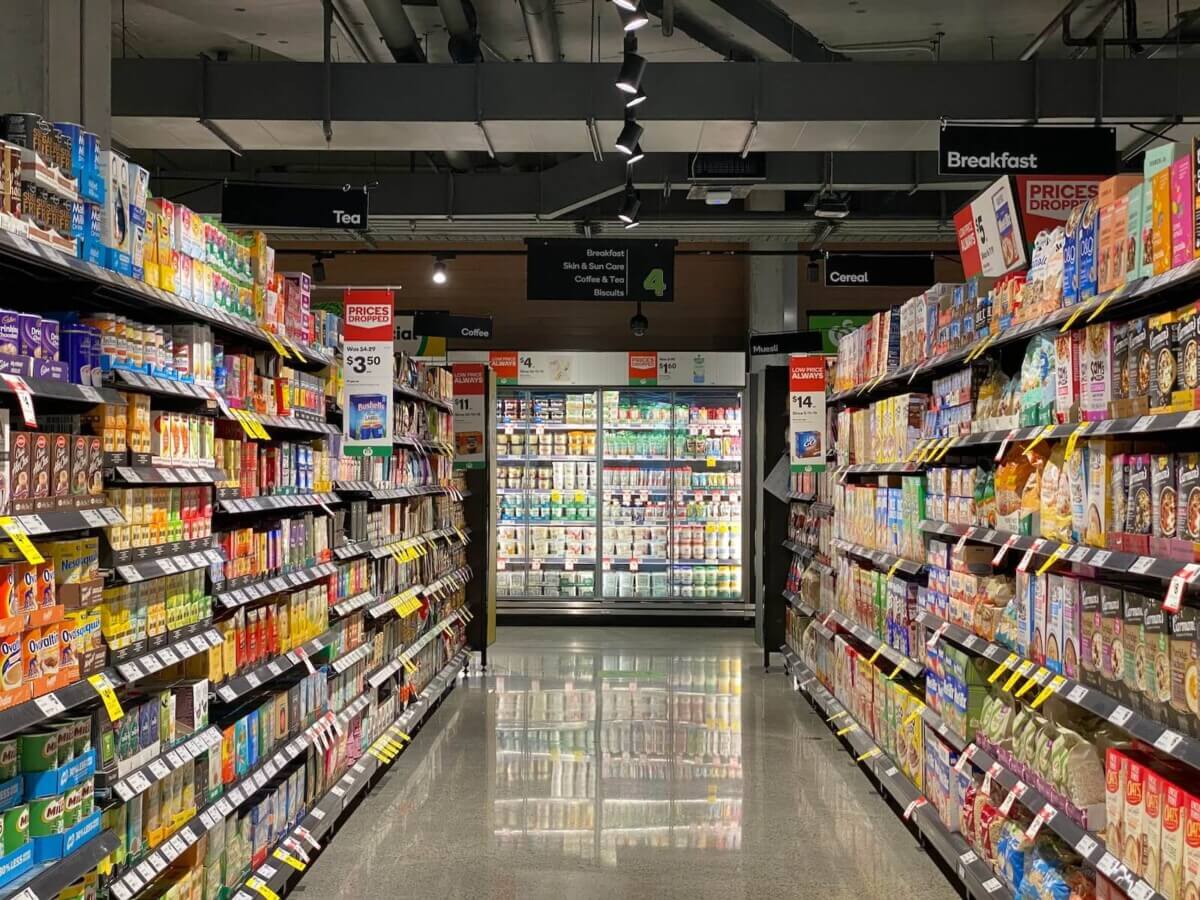
(Photo by hui sang on Unsplash)
In A Nutshell
- 71% of 651 baby foods from major U.S. retailers qualify as ultra-processed, containing additives primarily used for flavor, color, and texture
- Manufacturers use 45 types of processed fruit ingredients compared to just 21 fresh ones, with concentrated juices delivering intense sweetness similar to added sugars
- Every single baby cereal and starch product studied was ultra-processed, with some items containing up to 56 separate ingredients
- Ultra-processed baby foods contained significantly more sugar and sodium than minimally processed versions, potentially influencing taste preferences that persist beyond infancy
Parents grabbing colorful fruit pouches and veggie blends from grocery store shelves believe they’re making healthy choices for their babies. Now, a troubling study reveals most of these products contain more processed ingredients than fresh ones, during a period when infants are developing taste preferences that can persist into later life.
Researchers from The George Institute for Global Health examined 651 infant and toddler foods from the nation’s largest grocery chains: Walmart, Kroger, Target, Costco, and others. In all, 71% qualified as ultra-processed, packed with additives used to enhance flavor, color, and texture. Fruit ingredients showed up in 69% of products studied, but manufacturers used 45 different types of processed fruit ingredients compared to just 21 fresh ones.
Ultra-Processed Baby Food May Influence How Infants Learn to Eat
Babies aren’t just eating during their first year of solid foods, they’re learning what food should taste like. Early exposure to the sweet, salty, and additive-enhanced flavors common in ultra-processed foods may shape taste preferences later in life. Additives appeared in 71% of all products examined, with flavor enhancers being the most common.
Products marketed as wholesome options weren’t immune. Fruit and vegetable items that qualified as ultra-processed contained significantly more sugar: 10.8 grams per 100 grams compared to 7.8 grams in minimally processed versions. In this study, added sugars only appeared in ultra-processed products.
When “Fruit” Doesn’t Mean Fresh
A parent picking up a colorful pouch labeled with images of fresh berries and apples might assume they’re getting whole fruit. They’re probably not. Concentrated fruit juices and fruit puree concentrates dominated ingredient lists, delivering concentrated sweetness while technically avoiding the “added sugar” label. These processed ingredients can contribute to sweetness in ways that resemble added sugars, teaching young taste buds to expect intensely sweet flavors.
Some products contained just a single ingredient. Others had more than 20. One product examined contained 56 separate ingredients: more than many adult frozen dinners. Snacks and finger foods averaged 16 ingredients per product. Every single baby cereal and starch product studied qualified as ultra-processed, with more than half containing five or more markers of heavy processing.
Baby Food Additives Mirror Adult Junk Food
Flavor enhancers, thickeners, emulsifiers, and artificial colors showed up frequently. Snacks and finger foods had flavor enhancers in 70% of products and colors in 47%. Baby cereals and starches were even worse: thickeners in 88% of products, emulsifying salts in 81%, and emulsifiers in 81%.
Products containing cheese but no protein had the highest ingredient counts: averaging 31 ingredients, with some reaching 56. Sodium levels tell a similar story. Ultra-processed savory meals contained more than double the sodium of minimally processed versions: 110 milligrams per 100 grams versus 42 milligrams. Some snacks ranged as high as 929 milligrams of sodium per 100 grams.
Packaging drives processing levels too. Snack-size packages contained the most ingredients, averaging 22 per product. Pouches, which have exploded in popularity with sales growing nearly 900% since 2010, averaged seven ingredients but contributed to the broader shift toward convenience over nutrition.
When infants encounter sweet flavors primarily through processed fruit concentrates rather than fresh fruit, or when vegetables come loaded with flavor enhancers and sodium, they may come to expect and prefer those tastes. Some research has linked early exposure to ultra-processed foods with higher obesity risk later in childhood.
Certain common additives have been linked to health concerns in emerging research. Some emulsifiers have been associated with changes to gut bacteria and digestive tract function. Synthetic color additives have been connected to behavioral outcomes in children, including effects on attention and activity levels. However, most of this research has been conducted in adults or animal models, and direct evidence in infants remains limited. Still, infants and toddlers have especially vulnerable digestive systems, making them potentially more sensitive to these ingredients than older children and adults.
Regulatory Gaps Leave Parents Without Clear Guidance
Current US regulations don’t restrict functional additives in baby foods or help parents distinguish between additives that signal ultra-processing and those used primarily for food safety. Parents browsing grocery store shelves get no clear guidance on which products are most heavily processed.
The situation in other countries is different. International health organizations like the World Health Organization and UNICEF have warned against marketing infant and toddler foods that contain added sugars, high sodium, or ingredients that enhance sweet taste, color, or texture. Brazil’s dietary guidelines for children under two explicitly tell caregivers to avoid ultra-processed foods entirely and stick with foods in their natural or minimally processed forms.
Meanwhile, vegetables appeared in 52% of US baby food products, but like fruit ingredients, they were predominantly processed rather than fresh. As convenience-driven products have expanded, the market has shifted toward more processed options. That shift raises new questions about what babies are really being fed.
Scientists behind this study, published in Nutrients, note that the dominance of ultra-processed ingredients in foods aimed at the youngest consumers should be a public health priority. Parents trying to make healthy choices face a baby food aisle where fruit pouches contain more processed ingredients than fresh ones and where the vast majority of products contain additives that may influence their children’s food preferences well beyond infancy. Stronger labeling standards, regulatory action, and industry reformulation could help create a food environment where the products marketed as healthy actually support rather than undermine children’s long-term wellbeing.
Disclaimer: This article is for informational purposes only and is not intended as medical or nutritional advice. Parents should consult with their pediatrician or a registered dietitian regarding their infant’s specific nutritional needs and feeding practices. The research discussed represents observational findings about product composition and does not establish causation between specific products and health outcomes.
Paper Notes
Study Limitations
This analysis relied on ingredient lists from product packaging, which don’t disclose the quantities of individual ingredients or reveal additives used as processing aids. The study also couldn’t measure the intensity of processing steps applied during manufacturing. While the dataset included products from major US retailers representing a comprehensive sample, sales data weren’t available, so results reflect product availability rather than actual purchase patterns or consumption levels. Additionally, the Nova classification system, while widely used, remains a subject of ongoing scientific discussion regarding its precise boundaries and application.
Funding and Disclosures
This research received no external funding. The authors declared no conflicts of interest. Data cannot be shared publicly due to the proprietary nature of the FoodSwitch content management system used to collect and catalog product information.
Publication Details
Authors: Elizabeth K. Dunford (The George Institute for Global Health, University of New South Wales, Sydney, NSW 2031, Australia; Department of Nutrition, Gillings Global School of Public Health, The University of North Carolina at Chapel Hill), Alissa Pries (Independent Consultant), Mona S. Calvo (Department of Medicine, Division of Nephrology, Icahn School of Medicine at Mount Sinai, New York, NY 10029, USA), and Daisy H. Coyle (The George Institute for Global Health, University of New South Wales). | Published in: Nutrients 2026, 18, 584 | DOI: https://doi.org/10.3390/nu18040584 | Journal: Nutrients, published by MDPI, Basel, Switzerland | Dates: Received January 18, 2026; Revised February 5, 2026; Accepted February 6, 2026; Published February 11, 2026 | This article is an open access article distributed under the terms and conditions of the Creative Commons Attribution (CC BY) license.


