
(Credit: Tatiana Volgutova/Shutterstock)
LAS VEGAS — In a surprising twist that may delight carb-lovers everywhere, new research suggests that the humble potato could be a secret weapon for adults with Type 2 diabetes. Despite their reputation as a dietary villain, it turns out that baked potatoes may actually help slim waistlines and lower blood sugar levels.
This study, led by Neda Akhavan, an assistant professor at the University of Nevada, Las Vegas (UNLV), challenges long-held beliefs about potatoes and their place in a healthy diet. Akhavan’s research, presented to the Alliance for Potato Research and Education and detailed by the National Library of Medicine, reveals that these starchy tubers might be more friend than foe when it comes to managing diabetes.
“I like doing research on food items that are highly stigmatized in the nutrition world,” says Akhavan in a university release. “Most people associate the potato as something that is mostly fried or has a lot of fat, and we wanted to shine a light on how a potato – when prepared properly – can be both functional and healthy.”
For years, potatoes have been lumped together with other high-carb foods as something to be avoided. However, Akhavan’s study found that participants who incorporated a daily serving of potato into their diet experienced modest decreases in fasting blood glucose levels, improvements in body composition, reduced waist circumference, and even a decrease in resting heart rate.
These findings fly in the face of conventional wisdom, which has long warned diabetics to steer clear of potatoes due to their high carbohydrate content and potential to spike blood sugar levels. As it turns out, not all carbs are created equal, and potatoes may have some unique properties that set them apart from other starchy foods.
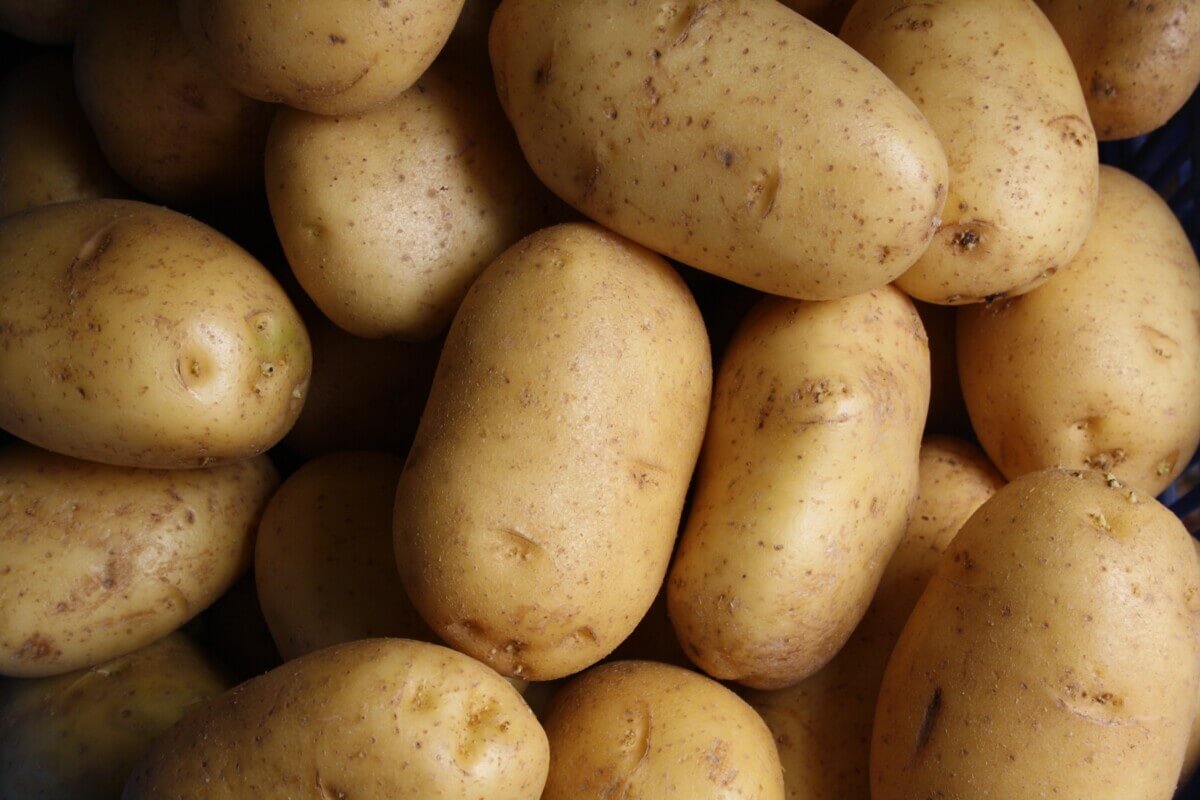
One key to the potato’s potential health benefits lies in its skin. Potato skins are rich in a type of fiber called “resistance starch,” which has been shown to improve glucose control, lipid profiles, and feelings of fullness. This may explain why study participants who ate potatoes – skin and all – experienced improvements in their health markers.

The benefits don’t stop there. Potatoes are also a surprisingly rich source of potassium, an essential mineral that plays a crucial role in heart health and blood pressure regulation. In fact, Akhavan points out that potatoes contain even more potassium than the often-touted banana.
“A lot of people are shocked to learn that a potato has a higher level of potassium than a banana,” the study author explains. “Believe it or not, a baked potato is one of the most satiating foods consumed within the western diet. And, when it is consumed baked, it increases our ability to feel fuller throughout the day.”
This fullness factor could be a game-changer for those struggling to manage their weight and blood sugar levels. By helping people feel fuller for longer, potatoes might indirectly contribute to better portion control and reduced snacking throughout the day.
However, before you rush to add mountains of mashed potatoes to your plate, it’s important to note that preparation methods matter. The study participants were given baked potatoes, not fried or heavily processed versions. Akhavan emphasizes that moderation and cooking methods are key to reaping the potential benefits of potatoes.
“Potatoes are a very versatile food and can be eaten with most types of cuisines, but you want to make sure to incorporate them into a well-rounded diet,” Akhavan notes. “For those tight on time, consider making a large batch of baked or roasted potatoes and meal prep to last you a while. I’m not against boiling potatoes, but you want to keep as much of the potassium from the skin as you can, and you lose some of that when you boil them.”
This research opens up exciting possibilities for diabetics who may have been unnecessarily depriving themselves of nutritious and satisfying food. It also highlights the importance of challenging nutritional dogma and taking a more nuanced approach to dietary recommendations.
“The results from our study provide evidence that white potatoes can be healthfully incorporated in the diet of individuals with Type 2 diabetes when substituted for other foods with a high glycemic load, such as long-grain white rice,” Akhavan concludes. “Additionally, there were no harmful effects on measured health outcomes, and some cardiometabolic health benefits were shown, which aligned with what we expected to see. Therefore, diabetics should not shy away from potatoes.”
Paper Summary
Methodology
The study involved 24 participants, all of whom had well-controlled Type 2 diabetes managed with medication. The participants were divided into two groups: a study group and a control group. Those in the study group were given a pre-prepared baked potato with skin, measuring 100g and containing 20 grams of carbohydrates, to incorporate into their daily diet as a snack or side dish. The control group received an equivalent portion of white rice with the same calorie and carbohydrate content. The study ran for 12 weeks, which is considered the minimum time needed to observe changes in glycemic control and cardiometabolic health markers.
Key Results
Participants who consumed potatoes daily showed a modest decrease in fasting blood glucose levels. They also saw improvements in body composition, a reduced waist circumference, and a decrease in resting heart rate.
Study Limitations
The study had a relatively small sample size of 24 participants, which may limit the generalizability of the results. Additionally, the study duration of 12 weeks, while sufficient to observe some changes, may not capture long-term effects. The participants’ diabetes was well-controlled with medication, so results may differ for those with poorly controlled diabetes or those not on medication.
Discussion & Takeaways
The study challenges the notion that potatoes should be avoided by individuals with Type 2 diabetes. It suggests that when prepared properly (baked, not fried) and consumed in moderation, potatoes can be part of a healthy diet for diabetics. The high potassium content and resistant starch in potato skins may contribute to the observed health benefits. However, the researchers emphasize the importance of preparation methods and incorporating potatoes into a well-rounded diet.
Funding & Disclosures
The study was funded by the Alliance for Potato Research and Education.


