
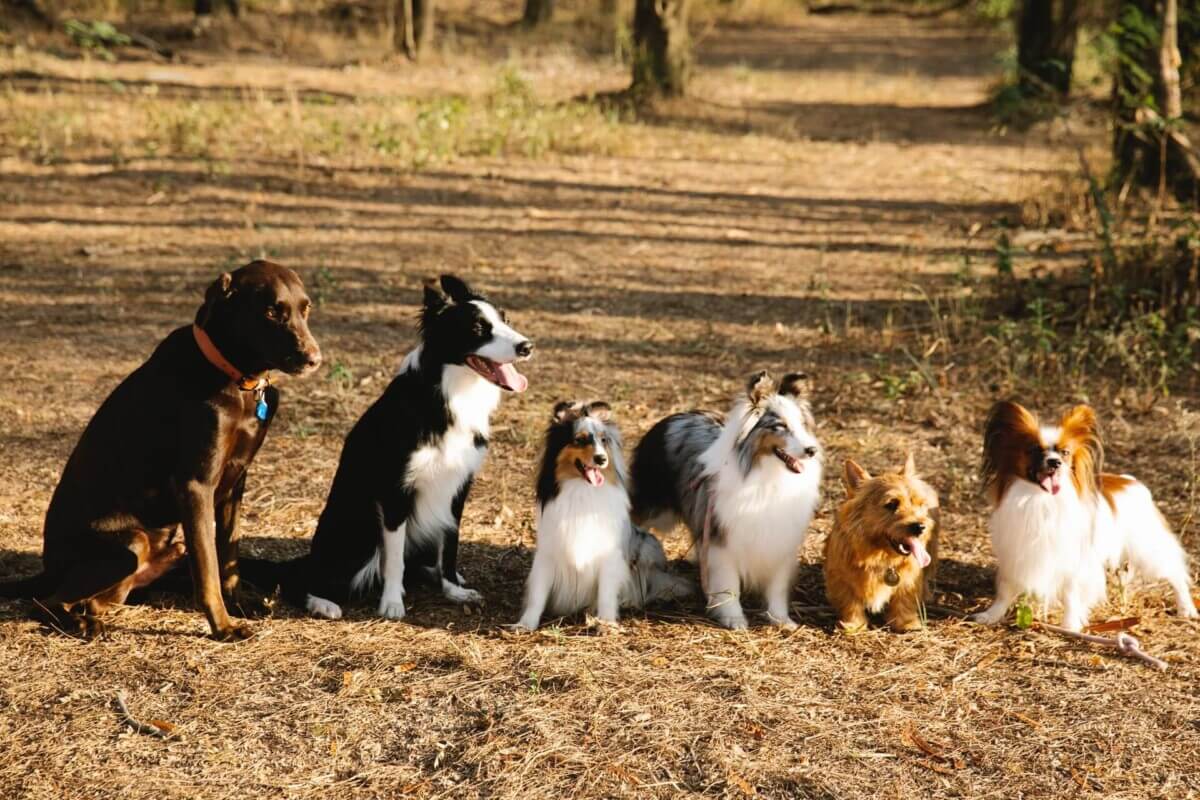
(Photo by Blue Bird from Pexels)
NEW YORK — Move over, Westminster Dog Show. There’s a new competition in town, and it’s all about behavior. A recent survey ranks America’s most popular dog breeds not by their looks, but by their manners – and the results are pawsitively intriguing.
In a dogged pursuit of canine truth, the survey of 5,000 American dog owners, commissioned by Forbes Advisor and conducted by Talker Research, sought to rank the behavior of the 25 most popular breeds recognized by the American Kennel Club. The study, which could be described as a “Who’s Who” of the dog world, evaluated our four-legged friends on their ability to follow commands and their overall temperament.
In a victory that will have Labrador lovers wagging their tails with pride, the ever-popular Labrador retriever claimed the top spot as the best-behaved breed overall. On the other end of the leash, the Siberian husky found itself in the doghouse, ranking as the worst-behaved breed.
Before Husky owners howl in protest, however, it’s worth noting that the study dug deeper than just overall behavior. Under the “following commands” category, dog owners were asked if and how often their dog barks at others, jumps up on people, begs for food, and how well they follow commands when off-leash in public. When it came to following commands, the muscular Cane Corso proved to be the most obedient, while the stubborn Dachshund was found to have selective hearing.

Under the “temperament” category, owners rated their dog’s overall behavior, if/how often their dog tries to escape, whether their dog’s health has ever been threatened due to its own behavior, and if they whine, destroy things or ingest foreign objects. In the end, the gentle Shih Tzu emerged as the most even-tempered, while the vocal Beagle’s propensity for melodious howling may have contributed to its position at the bottom of this category.
Interestingly, the study revealed that a quarter of owners who reported their dogs as having “not good” or “terrible” behavior admitted to never attempting to train their furry friends. It seems that in the world of dog behavior, the old adage “you can’t teach an old dog new tricks” might be barking up the wrong tree.
The survey also unleashed some surprising findings about common canine quirks. Nearly half of the dog owners surveyed (44%) reported that their dogs’ most frequent negative behavior was “barking at others,” followed closely by “jumping up on others” (39%). It appears that enthusiasm, if not always well-mannered, is a common trait among our canine companions.
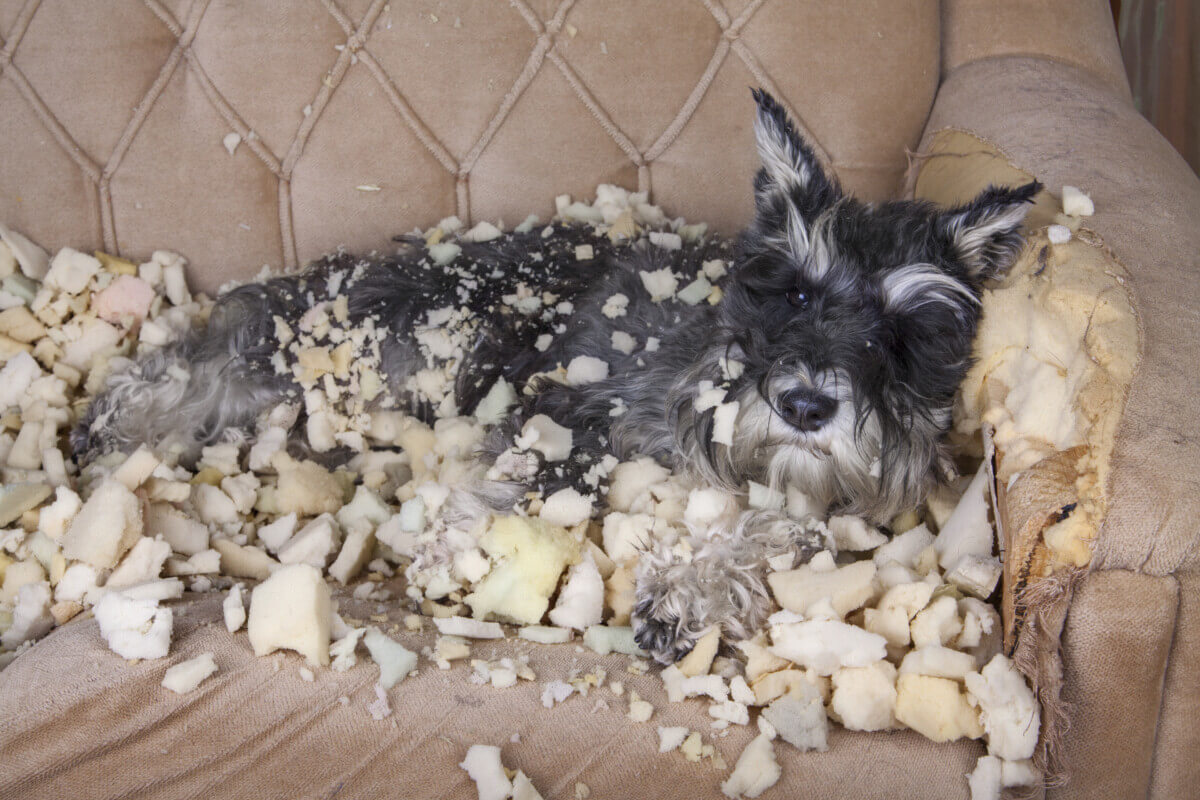
Small breeds, it turns out, have a lot to say. Six out of the ten breeds most likely to bark at others fall into the small breed category, including the chatty Havanese, miniature schnauzers, dachshunds, Pembroke Welsh corgis, Pomeranians, and Yorkshire terriers. It seems that these pint-sized pooches are determined to make their presence known, despite their diminutive stature.
For those dealing with less-than-perfect pooches, the study offered a glimmer of hope. The majority of owners trying to improve their dog’s behavior have taken matters into their own hands, with 74% attempting at-home training. However, for those who’ve tried professional training, 15% reported that their dogs weren’t receptive to it, proving that sometimes, you can lead a dog to training, but you can’t make it sit.
The majority of dog owners who report their dog’s behavior as “not good” or “terrible” said they believe their dog’s poor behavior is due to their dog not being receptive to training at home (31%), their dog being currently in training (27%) and never attempting to train their dog (25%).
So, whether you’re the proud owner of a well-behaved Labrador or the exasperated companion of a mischievous Husky, one thing is clear: our furry friends, with all their quirks and qualities, continue to capture our hearts, one wagging tail at a time.
Methodology
To uncover the most and least-behaved dog breeds, Forbes Advisor commissioned a survey conducted by Talker Research of 5,000 American dog owners (200 owners for each of the 25 most popular dog breeds, according to the American Kennel Club).


