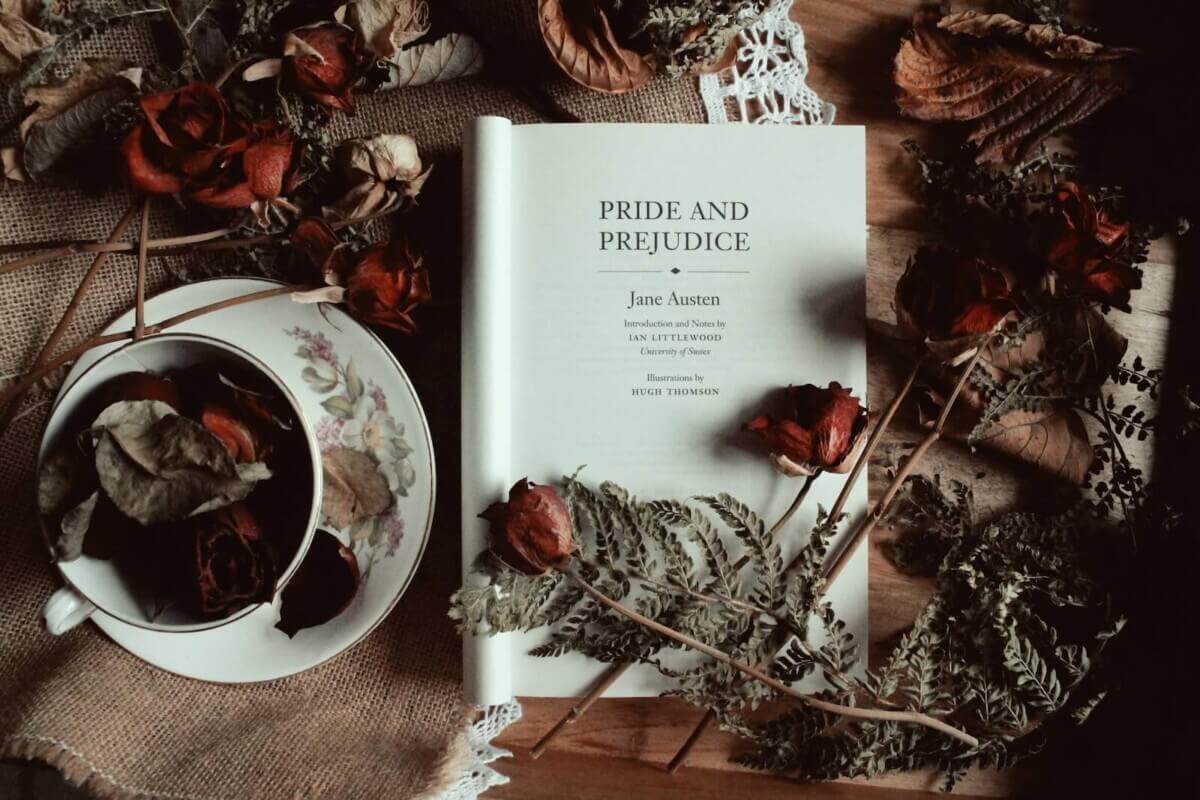
"Pride and Prejudice" by Jane Austen (Photo by Elaine Howlin on Unsplash)
Throughout history, women have wielded the power of the pen to challenge societal norms, explore the human condition, and create literary masterpieces that have stood the test of time. From the groundbreaking works of Jane Austen to the poignant narratives of Toni Morrison, female writers have consistently pushed the boundaries of literature, offering unique perspectives and voices that resonate across cultures and generations. This article celebrates the remarkable contributions of women to the world of letters, highlighting some of the most influential and talented female authors whose works have shaped literary landscapes and inspired countless readers and writers alike. Whether you’re a devoted bibliophile or simply curious about the impact of women in literature, join us as we explore the lives and legacies of these literary luminaries who have left an indelible mark on the world of books. StudyFinds looked to 10 expert websites to compile this list of the best female writers. Tell us about your favorite writers – or ones we missed – and the books you love in the comments below.
StudyFinds is a research-driven platform that analyzes and synthesizes expert recommendations from trusted sources. Rather than writing reviews ourselves, we meticulously compile consensus findings from leading industry experts and established publications to save consumers valuable research time. Each article represents hours of analysis across multiple authoritative sources to identify the most consistently recommended choices.
These are the best female writers of all time:
1. Virginia Woolf
From our research, no list of the best female writers will ever exclude Virginia Woolf. “Her best works include the novels, ‘Mrs. Dalloway,’ ‘To the Lighthouse,’ and ‘Orlando.’ She is regarded as a modernist 20th-century author whose narrative style was non-linear as evident from her famous novels. Virginia Woolf was much more than her novels as she wrote influential essays on literary history, artistic theory, and women’s writing. Virginia Woolf wrote several short fiction which are guaranteed to influence anyone who follows English literature. At the age of 5, she wrote letters to her father narrating a new story every night,” offers bx-zone.com.
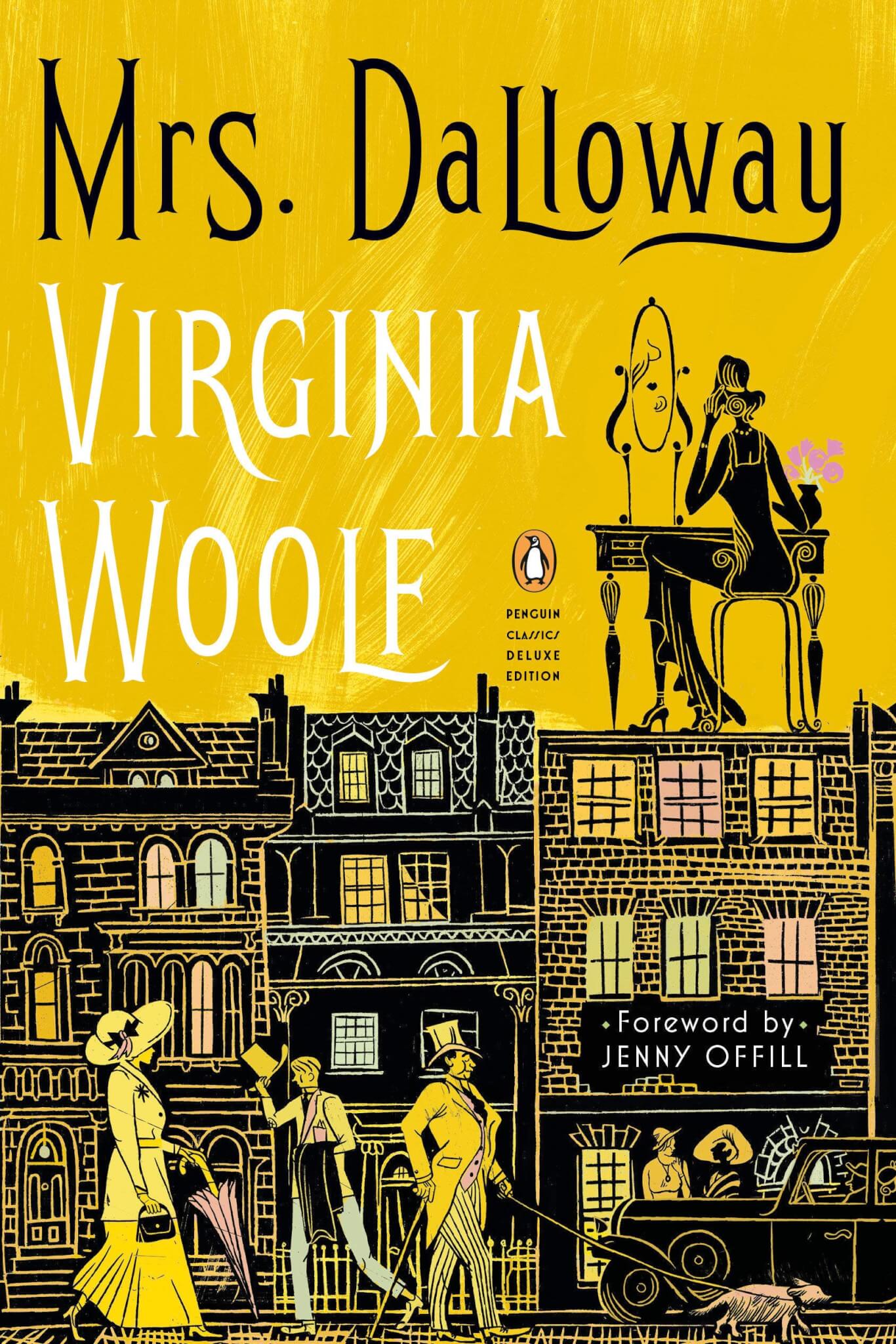
Virginia Woolf was born Adeline Virginia Alexandra Stephen on January 25, 1882, in London and died on March 28, 1941, in the United Kingdom. “Woolf is one of the leading modernist writers of the 20th century. In the interwar period, she was a prominent figure in London literary society and a central member of the Bloomsbury Group, which brought together English writers, artists, and philosophers,” says Fiction Horizon.
Woolf rose to her best by fighting several mental breakdowns. She “not only challenged the social injustices faced by women in the early 1900s but also tested and incorporated various literary devices into our modern lexicon of creative writing,” states Discover Walks.
2. Jane Austen
Reader or not, you have probably heard of Jane Austen. “The author of ‘Pride and Prejudice,’ ‘Emma,’ and ‘Northanger Abby,’ Austen graced the world with her influence from 1775 to 1817. Her determination paved the way for future women writers, as she wrote at a time women were discouraged from making their voices heard,” shares Colorado State University.
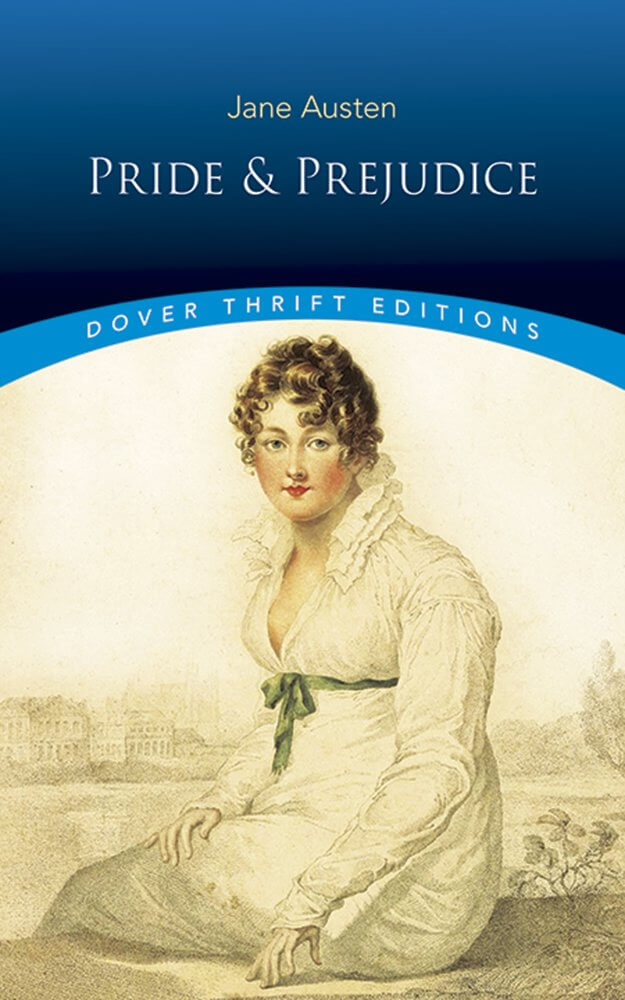
More specifically, Austen was a writer who specialized in storylines that highlighted women’s dependence on marriage or women who were pursuing economic security. “Austen was one of the first female writers to publish works that questioned and commented on the British landed nobility. Since many of Austen’s works were published under pseudonyms, she did not experience much fame during her lifetime. She earned much more recognition as a writer after her passing, and her six full-length novels have hardly ever been out of print. Along with several critical essays and anthologies, her works have also been adapted for the big screen,” says gobookmark.com.
It wasn’t until after her death that she gained far more status as a writer. “There have also been several film adaptations of her works, with several critical essays and anthologies accompanying them. One you may recognize is ‘Sense and Sensibility.’ It was first published anonymously by ‘A Lady,’ it tells the story of the Dashwood sisters, Elinor and Marianne as they come of age and are forced to move with their widowed mother from the estate on which they grew up,” writes Oxford.
3. Harper Lee
Harper is best known for her 1960 novel, “To Kill a Mockingbird.” The book pushed her into literary success as an acclaimed writer. “Lee’s childhood in Monroeville, Alabama inspired her idea for the novel. Her father, a former newspaper editor, businessman, and lawyer, served in the Alabama State Legislature from 1926 to 1938. During his time in this role, he defended two black men accused of murdering a white storekeeper. Both men were found guilty of the act and hanged – setting the plot of Harper Lee’s famous novel,” says Oxford.
In 2007, Lee received the Presidential Medal of Freedom from President George W. Bush for her contribution to literature. “Today, Harper Lee’s works are widely taught in schools in the United States, encouraging students to learn more about how to empathize with tolerance and dissipate prejudice toward others,” says Discover Walks.
Harper Lee was born Nelle Harper Lee on April 28, 1926, in Monroeville, Alabama, and died on February 19, 2016, in the same city. “Selling forty million copies, this book is a classic of American literature, studied as such in many secondary schools in the United States, and regularly cited at the top of the rankings of critics and booksellers,” says Fiction Horizon.
4. Charlotte Brontë
Charlotte Brontë, the English novelist and poet, is best known for her groundbreaking novel “Jane Eyre,” which revolutionized the art of fiction with its intimate first-person narrative and strong, independent female protagonist. Born in 1816 in Yorkshire, Brontë’s work often drew from her own experiences and observations, exploring themes of love, morality, and women’s roles in Victorian society, earning her a place as one of the most influential writers of the 19th century. “Charlotte is the third daughter of the Reverend Patrick Brontë, within a family of modest means with six children, benefits, like her four sisters and her brother, from the presence of a father who pushed his classical studies to the University of Cambridge and does not hesitate to pass on to them his culture and his vision of the world,” says Fiction Horizon.
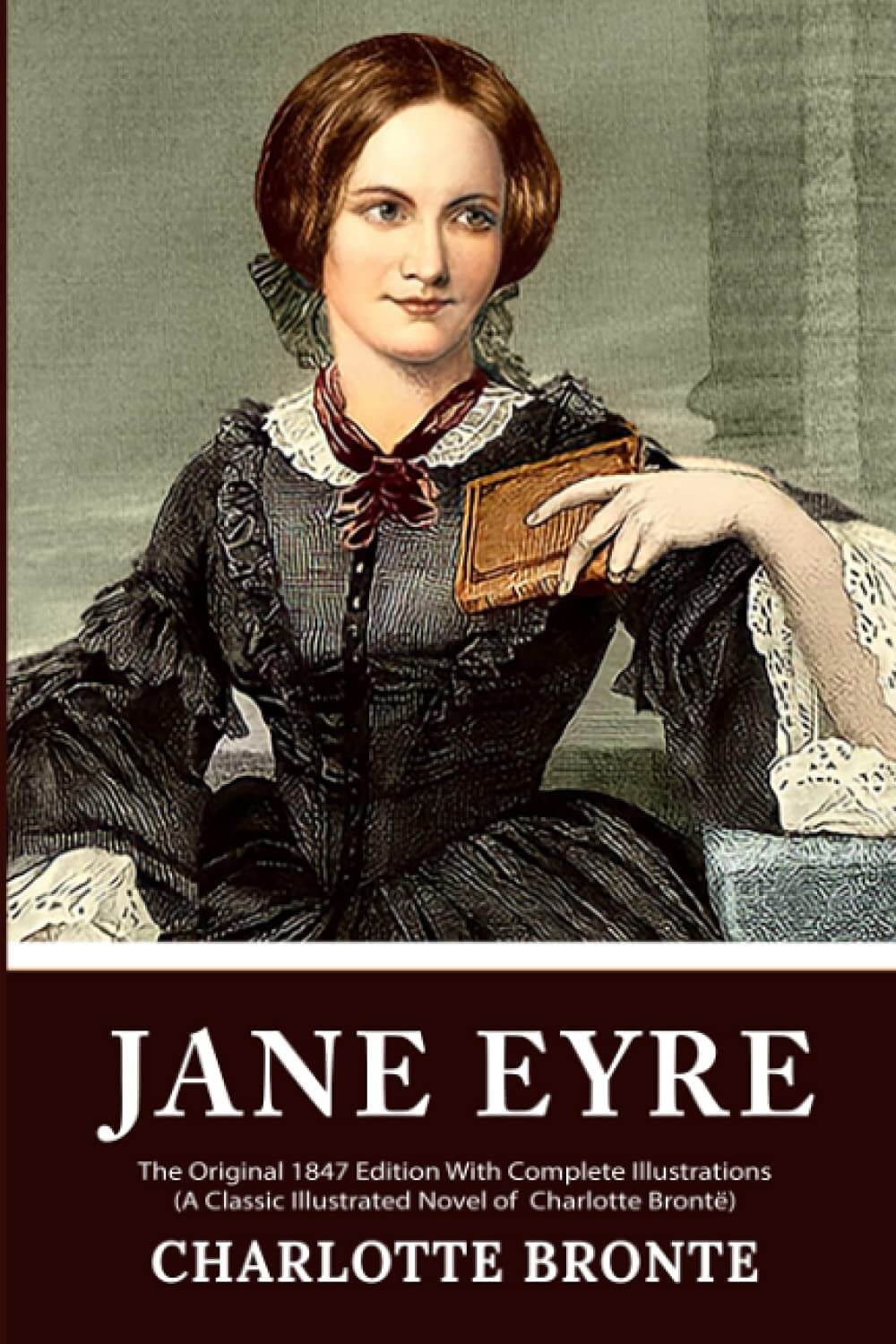
Charlotte Brontë is the sister of writer Emily Brontë. Her first novel, “The Professor,” was initially rejected by publishers. “Two of Charlotte’s famous books are ‘Jane Eyre:’ This coming-of-age novel follows the journey of its eponymous heroine, including her love for Mr. Rochester and his home at Thornfield Hall. ‘Shirley’ which is set in Yorkshire during the industrial depression of the early 19th Century, the story follows characters during the Luddite uprisings in the Yorkshire textile industry,” states Oxford.
Brontë is one of the most famous Victorian female writers in history. “Setting the typical tropes of Victorian literature, Brontë was one of the first authors to experiment with different poetic forms, such as the long narrative and dramatic monologue – but later gave up on poetic writing after the success of her prose,” shares Discover Walks.
5. Toni Morrison
Toni Morrison was a brilliant American novelist who received the Pulitzer Prize and global recognition for winning the Nobel Prize in literature in 1993. “Her stunning writing style mostly reflects on the experience of the African American in the United States and how an unfair, inequitable society entangled in racism leads to the harsh treatment of the same…I am sure that while reading ‘Beloved’ tears will roll down your eyes as Morrison has narrated the effects of slavery through the story of a woman who goes to the extent of killing her two-year-old daughter to save her from being dragged into slavery. ‘Beloved’ won her the Pulitzer Prize for fiction,” says bx-zone.com.
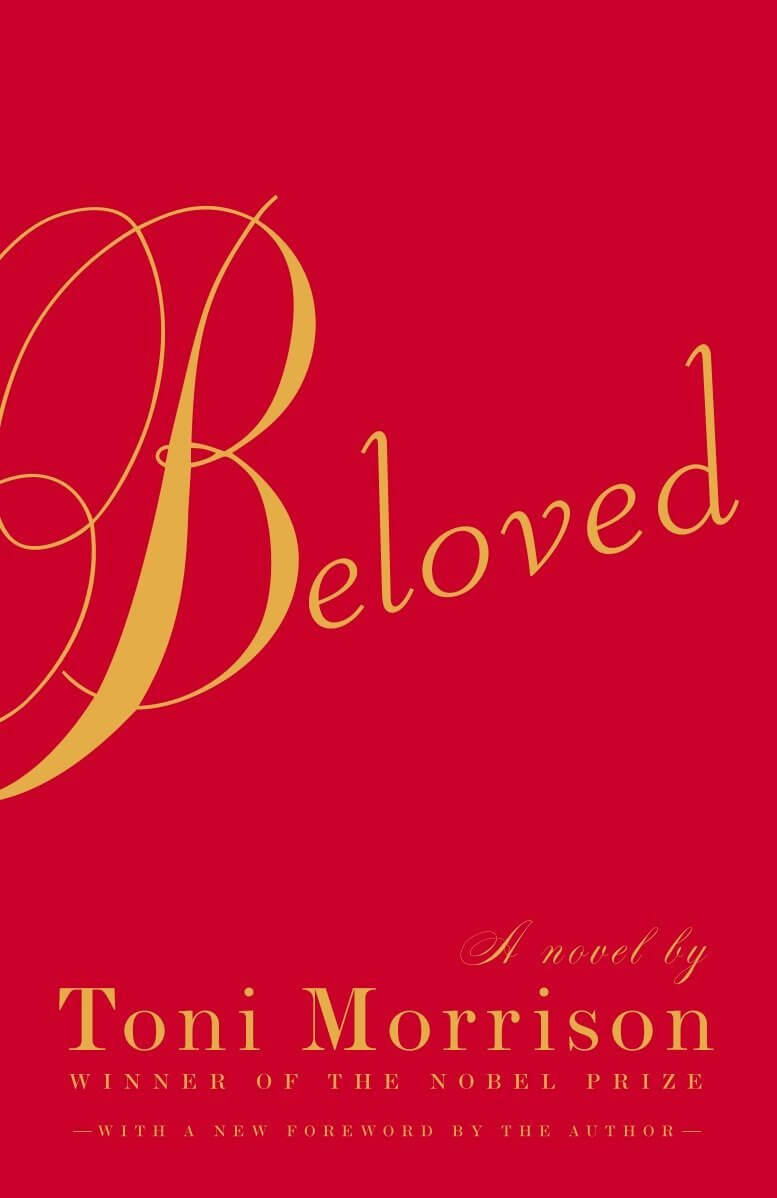
Toni Morrison was born and raised in Lorain, Ohio. Toni established herself in the literary world after earning an MA in American Literature at Cornell University in the mid-to-late 1950s. “She became famous for her ability to depict the Black American experience in her writing with such authenticity; in an unjust society, her characters typically struggle to find themselves and their cultural identity; and her use of poetic style and often fantastical writing style give her stories great strength and texture,” says Discover Walks.
Morrison didn’t establish her name as an expert until the 1970s and the middle of the 1980s. “Morrison enjoyed great success as a writer and was recognized for her contributions with numerous honors and prizes. She earned the Presidential Medal of Freedom from President Barack Obama in 2012, the Saul Bellow Award for Achievement in American Fiction in 2016, and the National Women’s Hall of Fame induction in 2020,” shares gobookmark.com.
Sources:
Note: This article was not paid for nor sponsored. StudyFinds is not connected to nor partnered with any of the brands mentioned and receives no compensation for its recommendations. This article may contain affiliate links in which we receive a commission if you make a purchase.


Agatha Christy and JK Rowling are by far the two highest in worldwide sales. JK Rowlings books were also made into imcredibly poplular movies and theme parks all based on her writing.
Marian Evans aka George Eliot is one of the top five writers of all time, female or male. Middlemarch is a brilliant achievement.
I can’t believe you would leave out George Eliot. “Middlemarch” is one of the best books ever written. “Mill in the Floss” is wonderful. But Middlemarch is up there with War and Peace and the best of Dickens.
I agree. Marian Evans aka George Eliot is one of a top drawer writer, female or male, anywhere, any time. Middlemarch is a brilliant achievement.
Kathleen Woodwiss!!!
So, only American and English literature considered. How typically narrow-minded and uneducated americanesque.
The comments alone show the pointlessness of writing this kind of list 🙂 Narrowing all women writers down to the “10 best”? And through such a western lens? Why bother!
It would be so much more interesting to make a list of 200 or 300 great women authors and include figures from around the world. Who needs a top ten? Why is there such a desire to rank women? It’s weird!
Hmmmm Agatha Christie? The queen of Fcking mysteries? The best selling author after Shakespeare? lmao
Agatha Christie…End of conversation
Ridiculous! Harpies Lee wrote one book. Hardly qualifies for this list. What’ about Joyce Carol Oates Ayn Rand, a dozen others?
This kind of list is pointless and only shows the narrow knowledge of the one who compiles it. Dozens of women’s names come to mind: Chimimanda Ngiozi Adichi, Margaret Atwood, Elsa Morante, Arundhati Roy, and on for days.
I’ve read your comments. Perhaps you should write, publish your favorite authors, and stop the negativity on a woman who developed her own taste of literature.
I’d take out Harper Lee and put Barbara Michaels/Elizabeth Peters.
Ayn Rand deserves an “honorable mention” at the least. Her novels are no less thought-provoking & well-written than those of the 5 authors mentioned. In addition, Annie Proulx needs to be considered, even though her fiction is more recent. Her best novel, THE SHIPPING NEWS, won both the National Book Award & Pulitzer Prize for Fiction the year it was published; it is a veritable tutorial on writing well. And so are her short stories like “Brokeback Mountain,” to name just one.
First, definitely a list t skewed towards English-speaking writers of the Western tradition.
So many are still missing, though…
– Octavia Butler
– Joan Didion
– Alice Walker
– Amy Tan
– Louise Erdrich
to name just a few…
I would list Edith Wharton and Jodi Picoult among top female writers.
So I guess y’all are going to have an article entitled ‘the top five MALE authors of all time” posted soon? Not sure why gender matters when recognizing talent in writing.