
A woman reading "Misery" by Stephen King (Photo by Eyesonmilan on Shutterstock)
Throughout literary history, male authors have left an indelible mark on the world of letters, shaping our understanding of culture, society, and the human condition. From the quills of Shakespeare to the keyboards of modern novelists, these wordsmiths have crafted stories that resonate across generations, challenging our perspectives and stirring our emotions. In this article, we’ll explore some of the most influential and celebrated male writers whose works have become cornerstones of literature. We’ll delve into their unique styles, groundbreaking narratives, and enduring legacies that continue to inspire readers and writers alike. Whether you’re a bookworm seeking your next great read or a curious mind looking to expand your literary horizons, join us as we journey through the pages penned by these literary giants, examining why their words continue to captivate and provoke thought in an ever-changing world. StudyFinds went to 10 expert websites to compile a list of the best male writers of all time whose work deserves to be part of your library. Tell us about your favorite writers—or the ones we missed—and the books you love in the comments below.
StudyFinds is a research-driven platform that analyzes and synthesizes expert recommendations from trusted sources. Rather than writing reviews ourselves, we meticulously compile consensus findings from leading industry experts and established publications to save consumers valuable research time. Each article represents hours of analysis across multiple authoritative sources to identify the most consistently recommended choices.
Who are the best male writers of all time?
1. Stephen King
Stephen King, the prolific master of horror and suspense, has captivated readers for decades with his uncanny ability to tap into our deepest fears and darkest imaginations. Born in Portland, Maine, in 1947, King has penned over 60 novels and hundreds of short stories, many of which have been adapted into successful films and television series. “One of the world’s most successful and prolific writers, Stephen King has published more than 90 horror, suspense, crime, science fiction, and fantasy novels in his lifetime to date. Many of his best-selling books have been adapted into films and television series,” shares Audible.
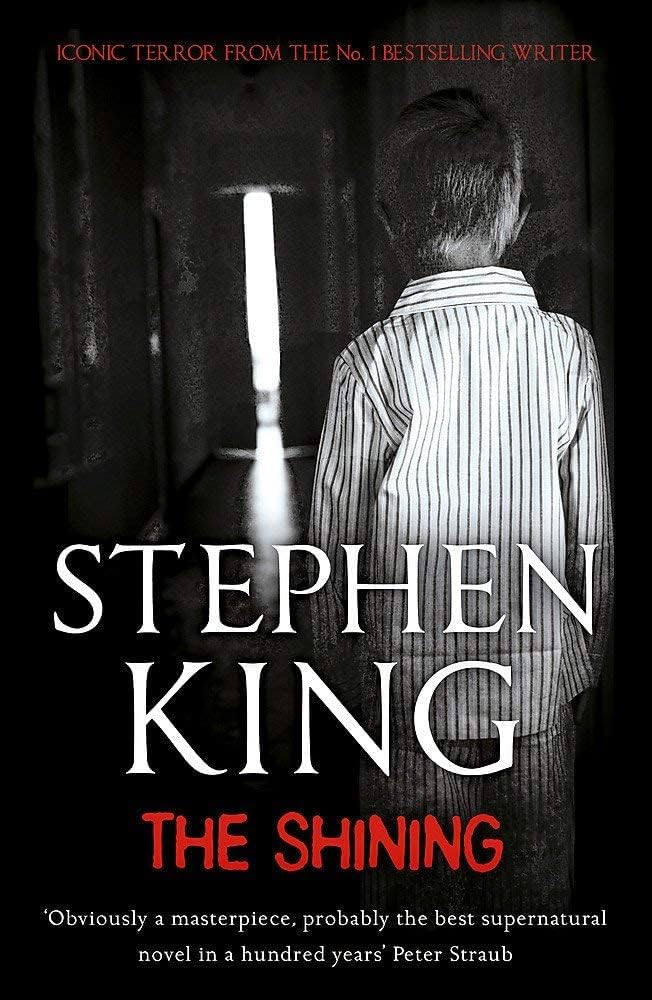
His works, including iconic titles like “The Shining,” “It,” and “The Stand,” blend elements of horror, fantasy, and everyday Americana to create richly detailed worlds that feel both familiar and terrifyingly alien. King’s storytelling prowess extends beyond the realm of horror, as evidenced by non-horror classics like “The Shawshank Redemption” and “The Green Mile.” His influence on popular culture is immeasurable, inspiring countless writers and filmmakers while earning him numerous accolades, including the National Medal of Arts. Despite facing personal challenges, including a near-fatal accident in 1999, King’s passion for writing has never wavered, cementing his status as one of the most important and beloved authors of our time.
Believe it or not, Stephen King had a period where he thought he might not be good enough to publish. “It is no surprise to see Stephen King as one of the most published authors. He once said that he writes 2,000 words a day, which accounts for how quickly you see his books on shelves (and on the big screen). Records say that King has published 60 full-length works and over 200 short stories,” says Iris Reading.
King has also written essays, screenplays, and comics. You have to wonder how one author could write something as horrific as “Carrie” and then create a heartwarming story like “The Green Mile.” King is definitely a writer of all trades. “King’s influence in writing was greatly attributed to his trauma after losing his friend in a train accident when he was a kid and also to his love for horror comics in his childhood,” states Discover Walks.
2. William Faulkner
One of the most persuasive writers to ever come out of the Southern United States is William Faulkner. A towering figure in American literature, Faulkner revolutionized the art of storytelling with his intricate narratives and profound exploration of the American South. Born in New Albany, Mississippi, in 1897, Faulkner drew deeply from his Southern roots, creating the fictional Yoknapatawpha County as the setting for many of his works. “Faulkner produced a writing work in the mid-twentieth century that took a couple of years to acknowledge his existence amongst the crowd. Somewhere between 1929 and 1936, he released four books—’The Sound and the Fury,’ ‘As I Lay Dying,’ ‘Light in August,’ and ‘Absalom, Absalom!’—that characterized his continuous flow style and his investigations of profound quality, utilizing characters set in his local Mississippi. He additionally composed screenplays for executive director Howard Hawks for ‘To Have and Have Not’ and ‘The Big Sleep,’ which earned him the Nobel Prize in 1949, which presented to him another degree of popularity,” shares leverageedu.com.
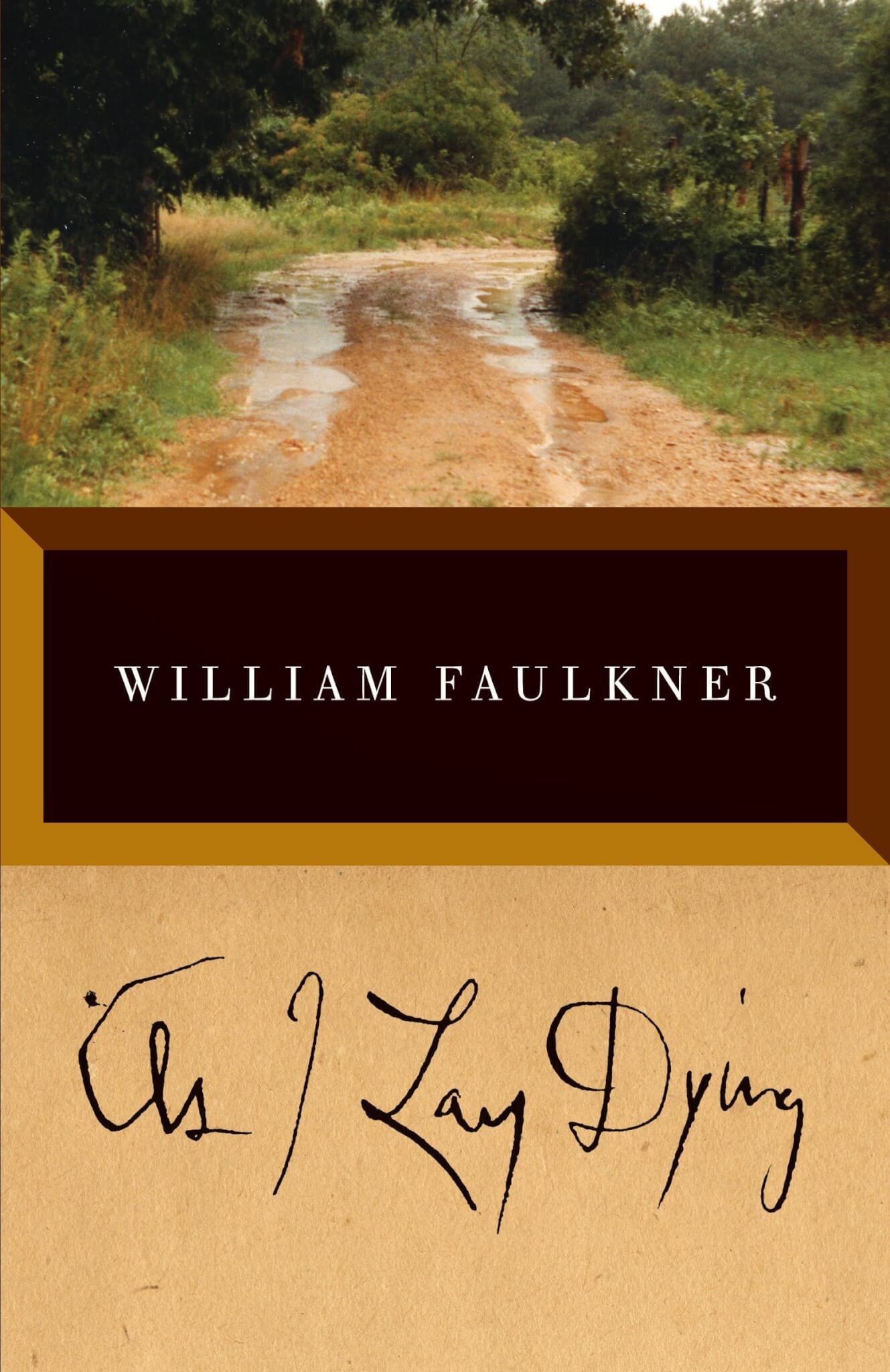
His novels are renowned for their experimental techniques, stream-of-consciousness style, and complex, non-linear narratives. Faulkner’s writing delves into the complexities of race, class, and the haunting legacy of the Civil War in the South, offering a nuanced and often challenging perspective on American history and identity. His innovative approach to language and narrative structure earned him the Nobel Prize in Literature in 1949, with the committee praising his “powerful and artistically unique contribution to the modern American novel.” Despite initial difficulty in gaining widespread recognition, Faulkner’s influence on literature has been immense, inspiring generations of writers and cementing his place as one of the greatest novelists of the 20th century.
Before Faulkner became a successful author, he served during World War I. “Faulkner wrote short stories and novels set in Yoknapatawpha County, a fictional county in Mississippi. His most famous works include ‘The Sound and the Fury,’ ‘As I Lay Dying,’ and ‘Go Down Moses,’ says Become a Writer Today.
Faulkner typically wrote about themes and topics such as the Ku Klux Klan, racism, the impact of the American Civil War, and the Confederacy. “William Faulkner, born William Cuthbert Falkner on September 25, 1897, in New Albany, Mississippi, and died July 6, 1962 (aged 64) in Byhalia, Mississippi, was an American novelist and short story writer. Published in the 1920s, it was awarded the Nobel Prize for Literature in 1949, when it was still relatively unknown,” states Fiction Horizon.
3. F. Scott Fitzgerald
F. Scott Fitzgerald, the quintessential voice of the Jazz Age, captured the glittering exuberance and underlying despair of 1920s America with unparalleled insight and lyrical prose. Born in 1896 in St. Paul, Minnesota, Fitzgerald rose to fame with his debut novel “This Side of Paradise” and went on to produce works that have become cornerstones of American literature. His masterpiece, “The Great Gatsby,” is widely regarded as one of the greatest American novels ever written, offering a critical examination of the American Dream through its portrayal of wealth, excess, and unrequited love.
As a novelist, essayist, screenwriter, and short-story writer, many people consider F. Scott Fitzgerald to be one of the best American authors of the 20th century. “Fitzgerald wasn’t very popular during his lifetime. His works gained international acclaim only in the years following his untimely death at 44. Many of his works have been adapted into films,” states The Famous People.
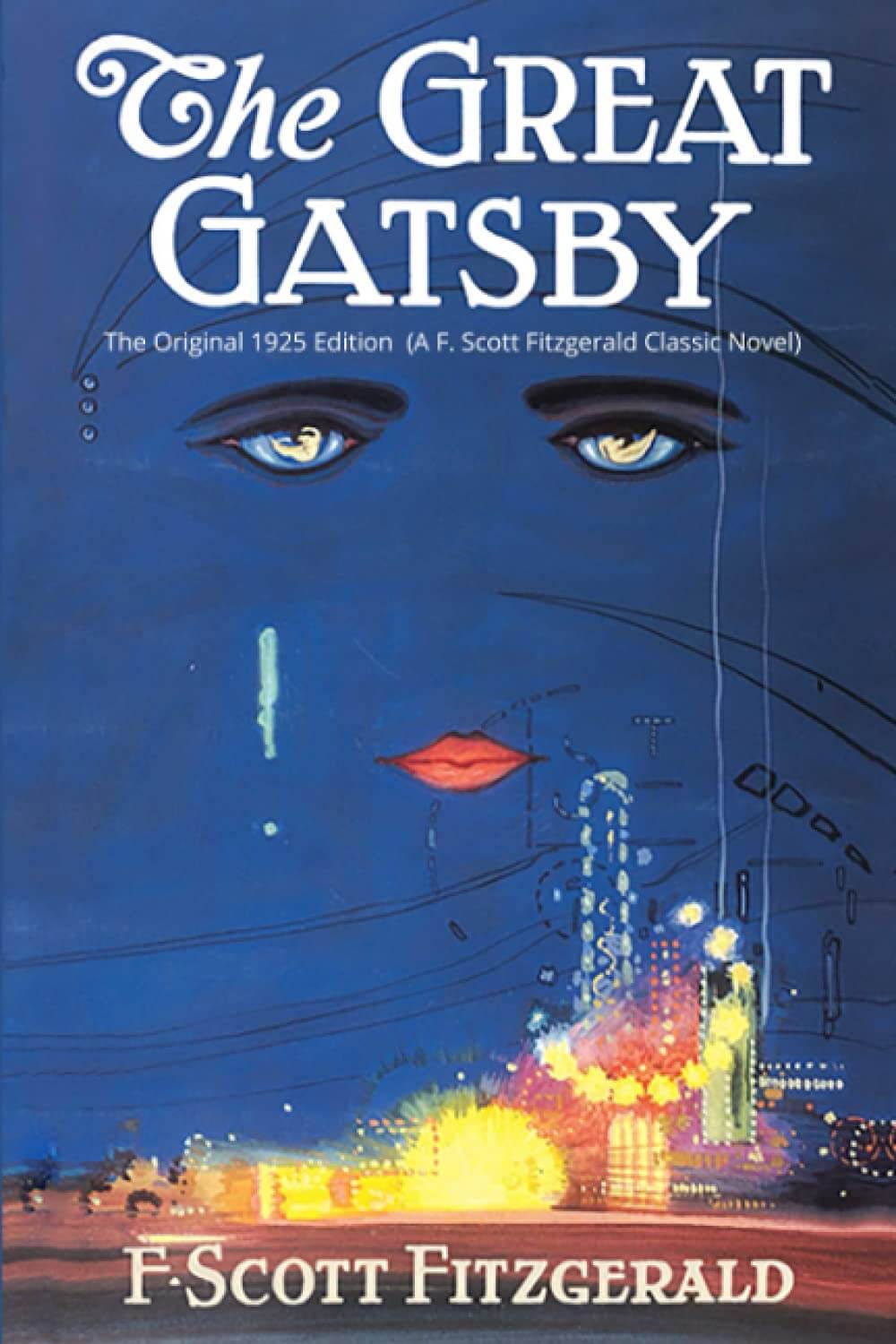
Fitzgerald’s writing style, characterized by its poetic elegance and keen social observation, brought to life the glamour and decadence of the Roaring Twenties while exposing the hollow core of its materialistic pursuits. Despite personal struggles with alcoholism and financial difficulties, Fitzgerald’s impact on literature remained profound. His exploration of themes such as ambition, love, and disillusionment continues to resonate with readers today, ensuring his place among the most influential writers of the 20th century. Fitzgerald’s life and work embody the very era he chronicled – brilliant, tragic, and enduringly fascinating.
Fitzgerald was born in Minnesota. “F. Scott Fitzgerald was the most famous writer of the Jazz Age—a term that he popularized. The novelist, essayist, screenwriter, and short story writer was known as much for his lavish lifestyle as his literary works,” says Audible.
No Sweat Shakespeare says “The Great Gatsby” “vies for the title ‘Great American Novel’ with Mark Twain’s ‘Huckleberry Finn’ and Herman Melville’s ‘Moby-Dick.'”
4. Ernest Hemingway
Ernest Hemingway, a literary giant of the 20th century, revolutionized American literature with his terse, understated writing style and adventurous lifestyle. Born in Oak Park, Illinois, in 1899, Hemingway drew from his experiences as an ambulance driver in World War I, a journalist, and an avid outdoorsman to craft stories that explored themes of courage, love, and loss. His novels, including “The Sun Also Rises,” “A Farewell to Arms,” and “The Old Man and the Sea,” are characterized by their sparse prose, iceberg theory of writing, and stoic male protagonists.
Hemingway had a strong impact on 20th-century fiction. “Hemingway published seven novels and six short-story collections and won the Nobel Prize in Literature in 1954. ‘A Farewell to Arms,’ ‘For Whom the Bell Tolls,’ and ‘The Old Man and the Sea’ are some of his classic works. He ended his own life in July 1961,” says The Famous People.
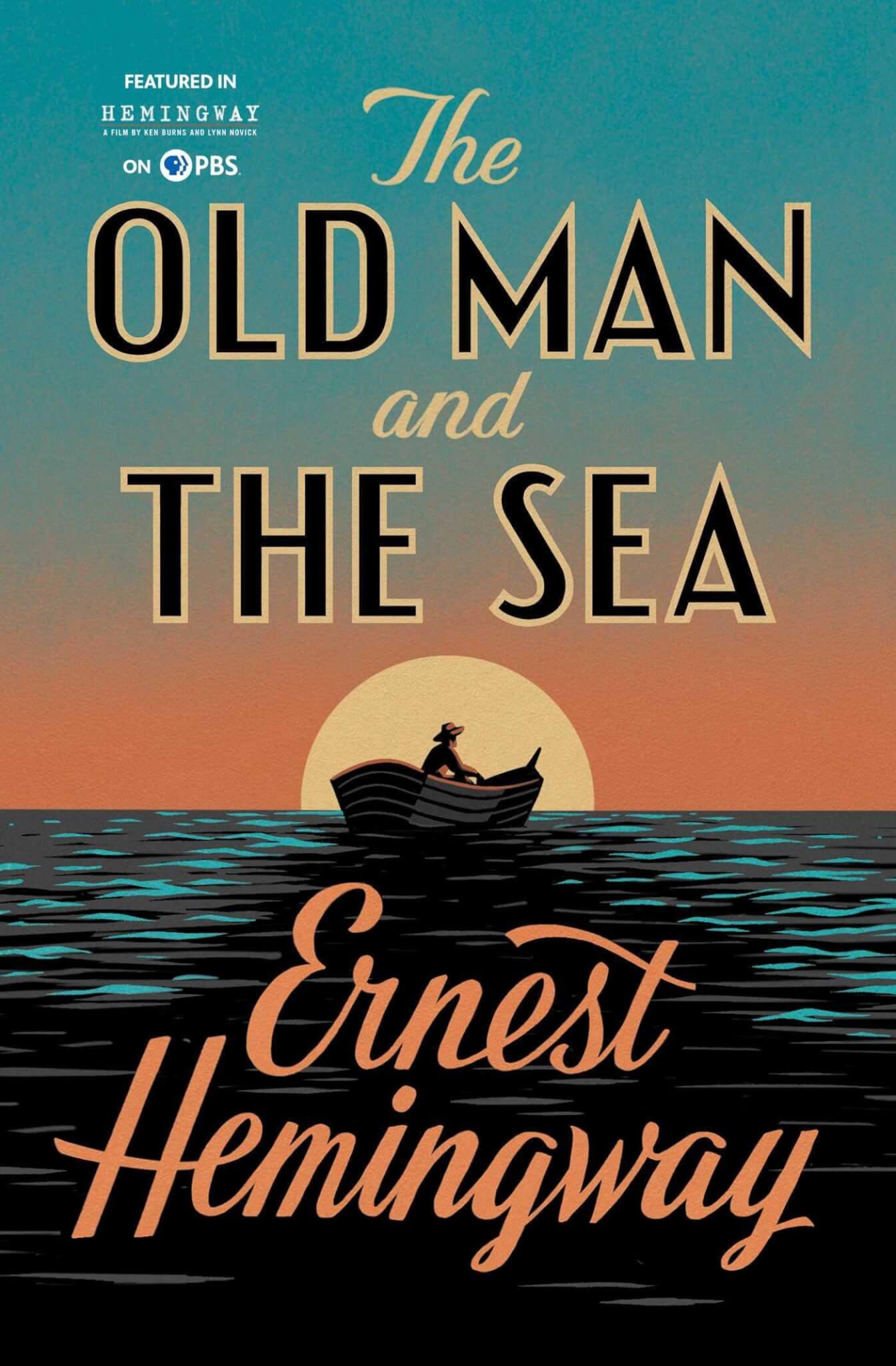
Hemingway’s unique voice, which emphasized brevity and emotional restraint, had a profound influence on modern literature and journalism. His life was as colorful as his fiction, marked by wartime experiences, safaris in Africa, and deep-sea fishing in Cuba. Hemingway was awarded the Nobel Prize in Literature in 1954 for his mastery of the art of narrative and his influence on contemporary style. Despite personal struggles with depression, which ultimately led to his suicide in 1961, Hemingway’s legacy as a writer who captured the essence of the human experience in times of war and peace continues to inspire readers and writers alike, cementing his status as one of the most important American authors of all time.
Prolific American author Ernest Hemingway was raised in Oak Park, Illinois. “When World War I broke out, he served as an ambulance driver. He was wounded in the line of duty, forcing him to return home. After the war, he worked as a journalist for a few years. Then, he decided to become a novelist,” shares Become a Writer Today.
The book that positioned Ernest Hemingway as a prolific novelist is “The Sun Also Rises.” While the book did not receive amazing reviews at the time, it is widely considered to be an iconic piece of literature from the early 20th century. “He was born into the hands of his physician father. He was the second of six children of Dr. Clarence Hemingway and Grace Hemingway (the daughter of English immigrants). His father’s interests in history and literature, as well as his outdoorsy hobbies (fishing and hunting), became a lifestyle for Ernest,” states IMDB.
5. Herman Melville
Herman Melville is best known for his magnum opus “Moby-Dick,” a novel that has become synonymous with the great American novel. Born in New York City in 1819, Melville’s early experiences as a sailor, including time spent on whaling ships, profoundly influenced his writing. His works, which include “Typee,” “Omoo,” and the posthumously acclaimed novella “Billy Budd,” are characterized by their philosophical depth, complex symbolism, and exploration of the human condition.
Herman Melville is a poet, writer, and novelist of the 19th century. “Melville was born in New York City to a merchant who did well for himself. However, after his father died in 1832, the family was in a dire financial situation. At the age of twenty, he got a job as a sailor on a merchant ship. He spent much of his life chasing whales in the ocean. He spent a lot of time adventuring on the Marquesas Islands. His first book, ‘Typee,’ was about the people he ran into on that island,” shares Become a Writer Today.
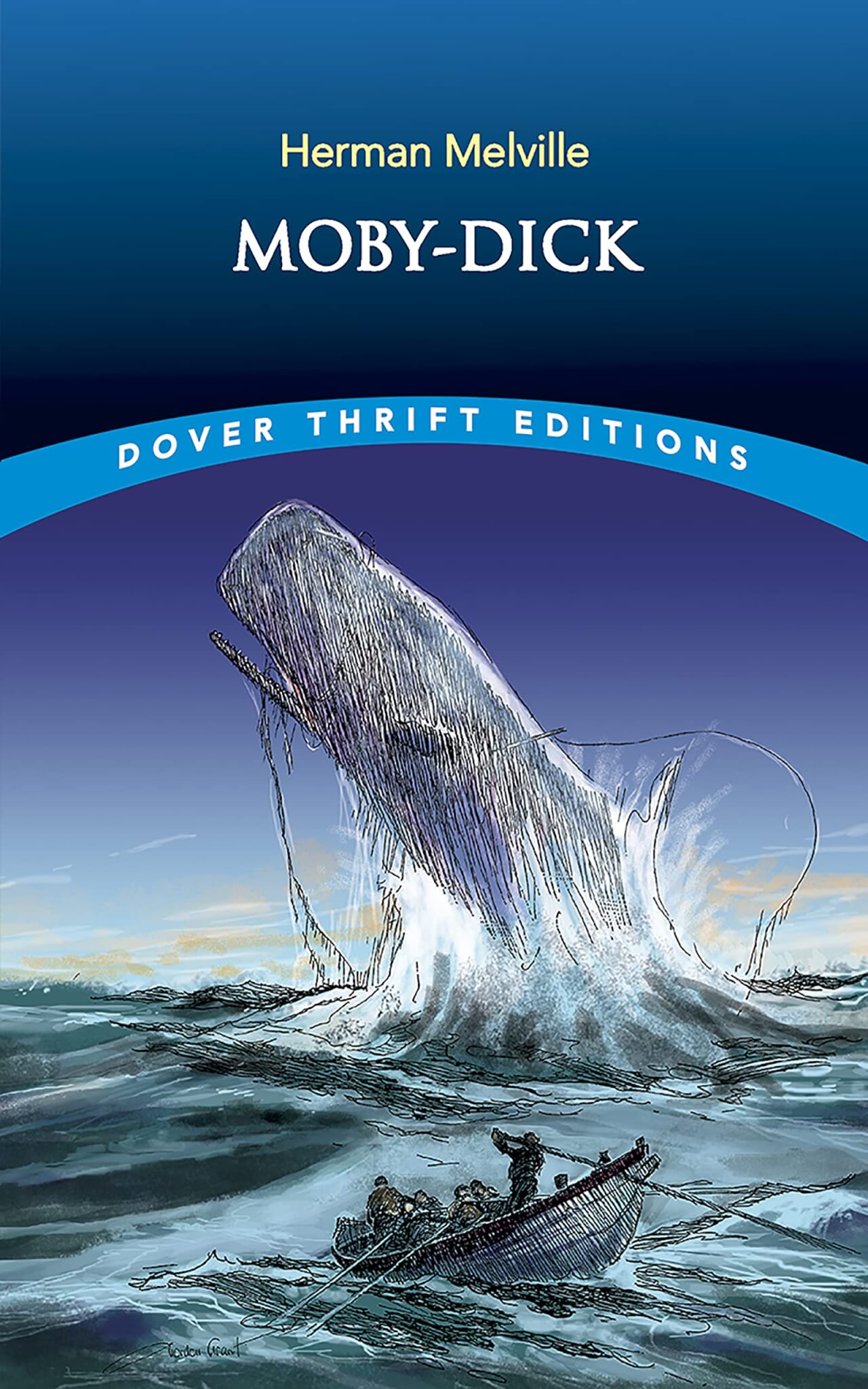
“Moby-Dick,” published in 1851, initially met with mixed reviews but is now recognized as a masterpiece of world literature, blending adventure, metaphysics, and an encyclopedic knowledge of whaling. Melville’s writing style, with its rich prose and intricate narratives, was ahead of its time, often grappling with themes of good and evil, the nature of God, and the complexities of human psychology. Despite facing commercial failure and obscurity in his later years, Melville’s work experienced a revival in the 20th century, leading to his recognition as one of America’s greatest writers. His influence on literature is immeasurable, inspiring countless authors with his innovative storytelling techniques and profound insights into the human experience.
In the early 20th century, there was a significant Melville Revival, positioning him as one of the greatest American authors of all time. “A novelist, short story writer, and poet of the American Renaissance period, Herman Melville is widely considered to have been unappreciated in his time and throughout his life. His works garnered greater success after his death,” says Audible.
Melville published various short fiction works, including “Bartleby the Scrivener.” “It’s easy to forget that the American author best known for ‘Moby Dick’ remained largely unrecognized during his lifetime, especially since his characters—like Starbuck, the inspiration for the café chain, or the ‘white whale,’ now shorthand for any far-fetched aspiration—have settled themselves so firmly into common usage,” explains Christies.com.
Sources:
Note: This article was not paid for nor sponsored. StudyFinds is not connected to nor partnered with any of the brands mentioned and receives no compensation for its recommendations. This article may contain affiliate links in which we receive a commission if you make a purchase.


No mention whatsoever of John Irving?
Unbelievable.
Any list of best writers of all time that leaves out Cervantes, Shakespeare and Victor Hugo is suspect to say the least. You really need to read more.
Mostly agree. I think Stephen King is underestimated just look at how he builds his characters. One author I miss alot since he passed is Pat Conroy loved all his books.