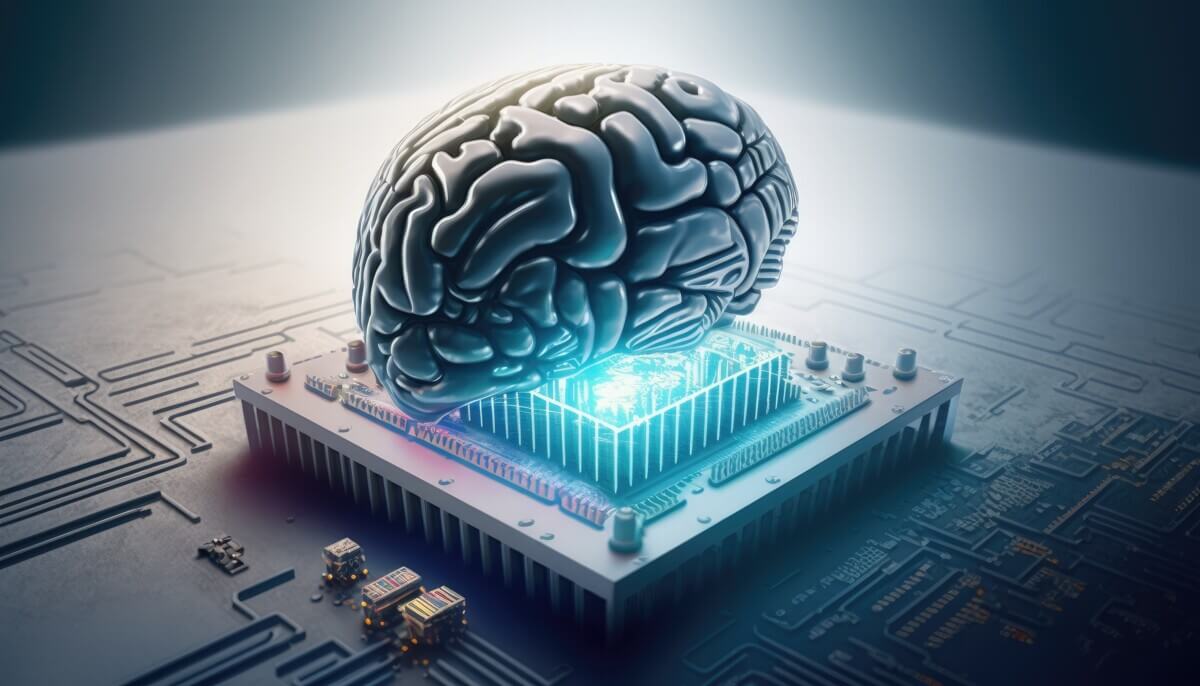
(© MMPhoto21 - stock.adobe.com)
BLOOMINGTON, Ind. — In what seems like a scene from a science-fiction movie, scientists from Indiana University have constructed a hybrid biocomputer that combines laboratory-grown human brain tissue with traditional circuits. This innovative technology, known as Brainoware, has the potential to integrate into artificial intelligence (AI) systems and advance neuroscience research models of the human brain.
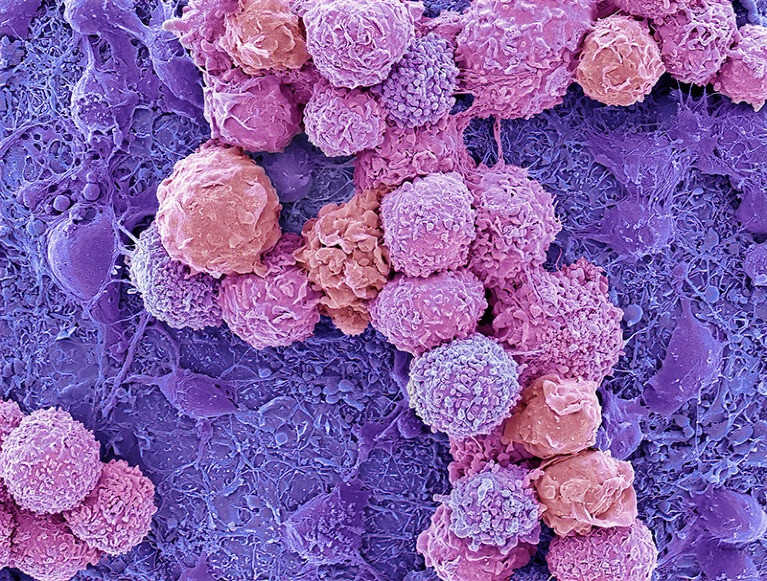
Brainoware incorporates brain organoids, clusters of human cells that mimic organ tissue. Organoids are created from stem cells that have the ability to develop into various types of cells, including neurons similar to those found in the human brain.
The goal of this research is to establish a connection between AI and organoids, as both systems rely on transmitting signals through interconnected nodes forming a neural network.
“We wanted to ask the question of whether we can leverage the biological neural network within the brain organoid for computing,” says study co-author Feng Guo, a bioengineer at Indiana University, in a media release.
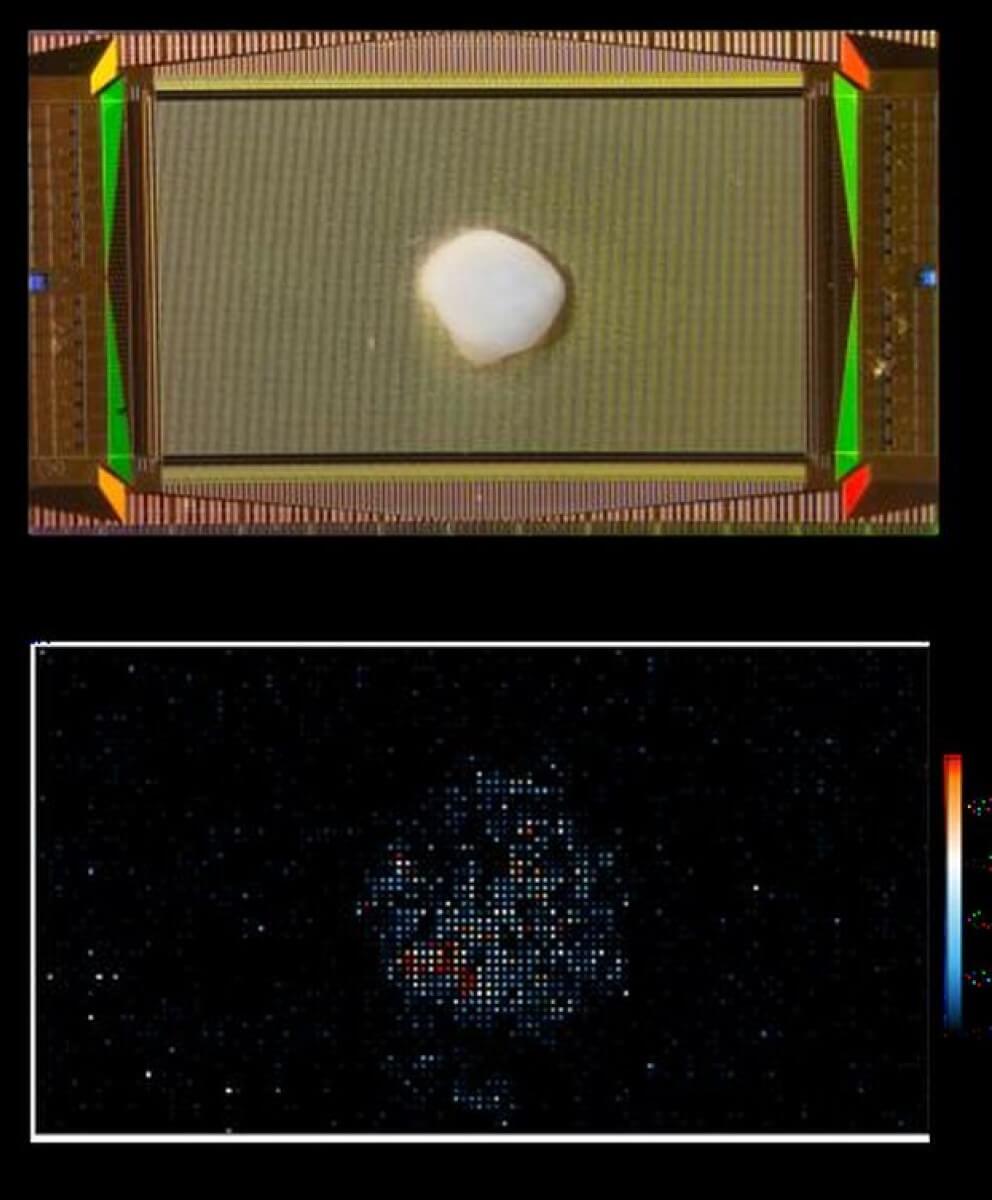
To create the Brainoware system, researchers place a single organoid on a plate containing thousands of electrodes that connect the brain to electric circuits. They then convert the desired input information into a pattern of electric pulses, which they deliver to the organoid. The brain tissue’s response is recorded by a sensor and analyzed using a machine-learning algorithm that deciphers the relevant information.
To test Brainoware’s capabilities, the team employed voice recognition. They trained the system on 240 voice recordings of eight individuals and translated the audio into electric signals delivered to the organoid. The mini-brain reacted differently to each voice, generating distinct patterns of neural activity. The AI learned to interpret these responses and accurately identify the speaker, achieving an accuracy rate of 78 percent after training.
While further research is necessary, this study confirms important theoretical concepts that could eventually pave the way for biological computers. Previous experiments demonstrated the ability of two-dimensional neuron cell cultures to perform similar tasks, but this is the first time such capabilities have been shown in a three-dimensional brain organoid.
Combining organoids and computers could enable researchers to harness the speed and energy efficiency of the human brain for AI applications. Additionally, Brainoware has potential applications in brain research, particularly for studying neurological disorders like Alzheimer’s disease and testing the effects of different treatments on organoids.
“That’s where the promise is; using these to one day hopefully replace animal models of the brain,” says Arti Ahluwalia, a biomedical engineer at the University of Pisa in Italy.
However, using living cells for computing presents challenges, including the need to sustain the organoids. Maintaining their growth and viability may become more complex as organoids grow larger, especially for more intricate tasks. To advance Brainoware’s capabilities, future research will focus on adapting brain organoids for more complex functions and enhancing their stability and reliability, making them compatible with existing AI computing technologies.
The study is published in the journal Nature Electronics.


It’s probably not true; it’s easier to put a machine in man, than man into a machine.
If these “brainoware” human brain cells are conscious, then these creatures can suffer.
For these creatures, the suffering might be a hell that we can only vaguely imagine.
There are extreme ethical concerns for research involving human consciousness.
About time
There “are” not There “is”.
Where is you think the brain cells come from? Corn Cobs?
Wow
Grammer police much ?
More demonic frankenscience developed with ill intent and far beyond what they admit.
Its going to go all Capone on us eventually.
Well, we humans had a good run. We’ll go the way of the Neanderthals.
If there is no animals bring tested on I really like this research. That’s cool stuff.
You might want to read John Barber a tale of two times by Grubbs
“laboratory-grown human brain tissue”
Came from an animal. The cells that started the line of tissues mst likely from an aborted fetus. Eventually we won’t know the differences between our dreams and reality and the reality of being plugged into a matrix. The beast will be us.
Rococo 3? It’s an abomination!