
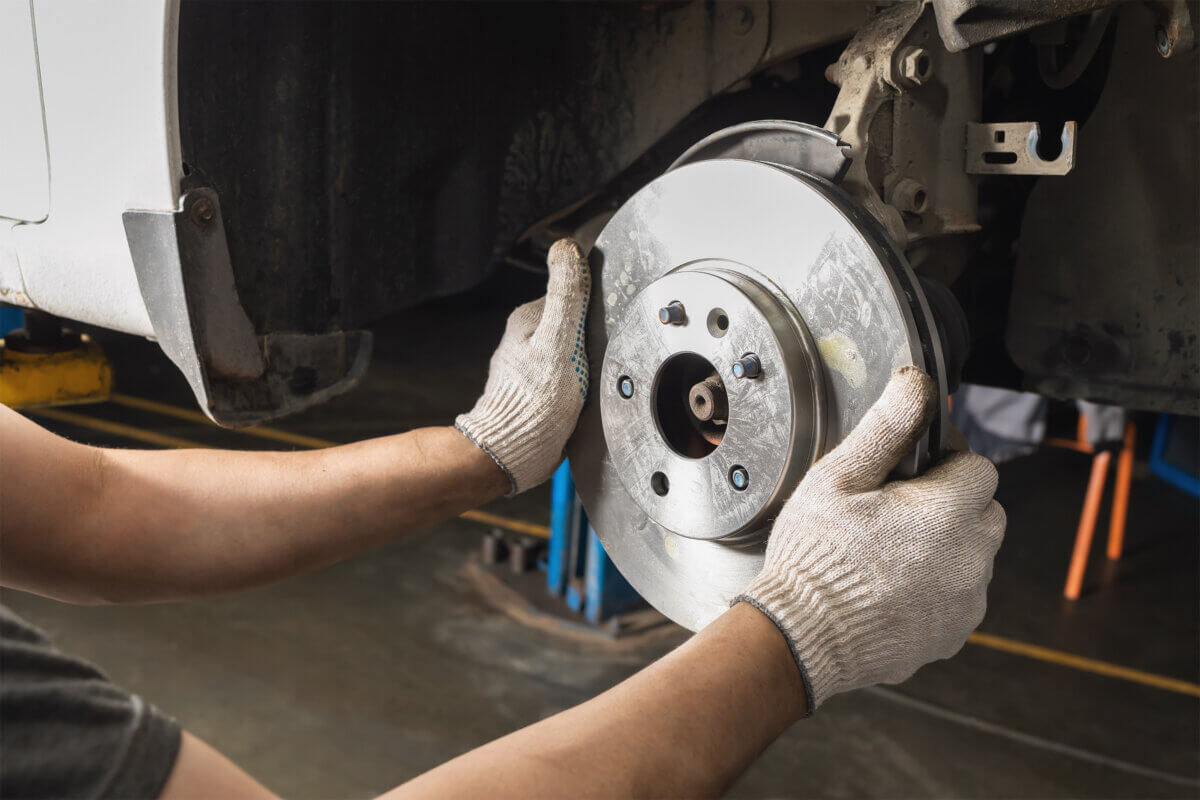
(© kichigin19 - stock.adobe.com)
In a nutshell
- Brake dust from copper-rich brake pads may be more harmful to human lung cells than diesel exhaust, potentially causing more inflammation and cellular stress
- As electric vehicles become more common, brake dust pollution could increase due to their heavier weight, despite current regulations focusing mainly on exhaust emissions
- While some U.S. states already limit copper in brake pads to protect aquatic life, this research suggests these restrictions may also benefit human health
SOUTHAMPTON, England — As cities worldwide crack down on diesel vehicle emissions, a more insidious form of air pollution has been quietly growing alongside increased traffic – brake dust. Research concludes that the particles released when vehicles brake may actually be more harmful to human lung cells than diesel exhaust, with copper-rich brake pads emerging as a particular concern.
This finding comes at a critical time, as the shift toward heavier electric vehicles means more brake wear and potentially higher exposure to these harmful particles. While governments have made substantial progress in reducing exhaust emissions, brake dust remains largely unregulated despite contributing up to 55% of all traffic-related fine particles in urban areas.
Researchers at the University of Southampton and their collaborators examined how tiny particles from different types of brake pads affected human lung cells, focusing on the delicate air sacs where oxygen enters our bloodstream. They compared brake dust from four common types of brake pads against diesel exhaust particles. Much like comparing different recipes to see which ingredients might cause problems, they tested low-metallic, semi-metallic, non-asbestos organic (NAO), and ceramic brake pads.
Their findings, published in Particle and Fibre Toxicology, painted a concerning picture: brake dust from copper-enriched NAO and ceramic brake pads caused significantly more cellular stress and inflammation than both other brake pad types and diesel exhaust. These copper-rich particles triggered inflammatory responses and altered cell metabolism in ways that could potentially lead to disease.
Modern brake pads contain a complex mixture of materials that help vehicles stop safely. NAO brake pads, the most common type in the U.S. due to their low cost and good performance, were developed to replace asbestos-containing pads. However, manufacturers added copper fibers to maintain heat conductivity – a role previously filled by asbestos. This copper content turned out to be problematic.
When researchers exposed lung cells to NAO brake dust, copper accumulated inside the cells steadily as exposure increased. Using specialized molecules that bind to specific metals – like a magnet that only attracts one type of metal – they confirmed that copper was driving the harmful effects.
Perhaps most concerning was the discovery that copper-rich brake dust triggered a cellular response called “pseudohypoxic HIF signaling.” In simple terms, this means the cells behaved as if they were starving for oxygen even though plenty was available – similar to a false alarm that keeps cells in an unnecessary state of emergency. This same mechanism has been linked to various diseases, including certain cancers and scarring of lung tissue.
Some U.S. states, including California and Washington, have already begun restricting copper in brake pads – but these rules were originally created to protect fish and aquatic life from copper washing off roads into waterways, not to address human health concerns. This study suggests these restrictions may have the unexpected benefit of protecting human health as well.
As vehicle fleets transition toward electrification, the issue of brake dust pollution may become even more pressing. Electric vehicles tend to be heavier than conventional vehicles due to their batteries, potentially generating more brake wear particles. While electric vehicles can use regenerative braking to help slow down, they still rely on traditional brakes, especially for sudden stops.
“There is a huge body of evidence showing that airborne dusts are damaging to our health. Unfortunately, while the switch to electric vehicles (EVs) will eliminate exhaust emissions, which include toxic gases as well as dust, it will not eliminate road, tire and brake dust,” write study co-authors James Parkin and Matt Loxham, in an article published by The Conversation. “Studies indicate that, because they tend to be heavier, electric vehicles can generate more non-exhaust dust than petrol or diesel vehicles – the zero-emission label is clearly not accurate.”
The researchers say governments should urgently reconsider how they regulate vehicle-related air pollution. While reducing exhaust emissions remains important, addressing non-exhaust sources like brake dust – particularly their composition – may be crucial for protecting public health in our increasingly urban world.”
Methodology
Researchers collected fine particles (PM2.5-0.1) from different brake pad types using a specialized testing setup that simulated various driving conditions. They exposed human alveolar type-II epithelial cells to these particles and conducted comprehensive analyses including RNA sequencing, metabolic testing, and various cellular assays. They also performed detailed chemical analysis of the particles and used metal chelators to identify which specific components were causing harmful effects.
Results
Copper-rich brake dust from NAO and ceramic pads caused the greatest cellular damage, inflammation, and metabolic disruption. These effects were more pronounced than those caused by diesel exhaust particles. The harmful effects were linked directly to copper content, as confirmed through chelation experiments and cellular copper uptake measurements.
Limitations
The research primarily used cell cultures rather than live animals or human subjects, which may not fully reflect real-world effects. The particle concentrations used were higher than typical environmental exposures, though this was partially offset by differences in exposure conditions between lab and real life. The study also didn’t consider organic compounds in the particles, focusing mainly on metal content.
Key Takeaways
This study demonstrates that brake dust, particularly from copper-rich brake pads, may pose a greater health risk than previously recognized. The findings suggest that current air quality regulations focusing primarily on exhaust emissions may be insufficient to protect public health. The research also provides mechanistic insights into how copper-rich particles can trigger disease-related cellular changes.
Funding and Disclosures
The research was supported by various organizations including Wessex Medical Research, the University of Southampton, the Medical Research Council, and others. Some authors disclosed consulting relationships with pharmaceutical companies, though these relationships did not appear to influence the study’s conduct or conclusions.
Publication Details
This study was published in Particle and Fibre Toxicology (2025, Volume 22, Issue 4) under open access terms. The research was conducted by an international team led by scientists at the University of Southampton, with contributions from researchers in the Netherlands and other institutions.


