
(© Halfpoint - stock.adobe.com)
MELVILLE, N.Y. — In a groundbreaking development that could revolutionize early detection of Alzheimer’s disease, researchers are exploring how simple earpiece microphones might spot warning signs of this devastating condition years before doctors typically diagnose the condition.
The key lies in something we all do thousands of times each day without thinking: moving our eyes. Scientists from École de Technologie Supérieure and Dartmouth University are developing technology that listens for subtle sounds made by eye movements inside our ears – sounds that might reveal early signs of cognitive decline.
“Eye movements are fascinating since they are some of the most rapid and precise movements in the human body, thus they rely on both excellent motor skills and cognitive functioning,” explains researcher Arian Shamei in a media release.
The research, presented at the 187th Meeting of the Acoustical Society of America, focuses on involuntary eye movements called saccades – the quick darting motions our eyes make as we scan the environment around us. In people with Alzheimer’s, the most common form of dementia, these movements become slower and less precise, potentially providing an early warning sign of the disease. While these changes have traditionally required expensive eye-tracking equipment to detect, the research team believes they’ve found a simpler solution.
“We are using a device called a hearable,” says research presenter Miriam Boutros. “It is an earpiece with in-ear microphones that captures physiological signals from the body. Our goal is to develop health-monitoring algorithms for hearables, capable of continuous, long-term monitoring and early disease detection.”
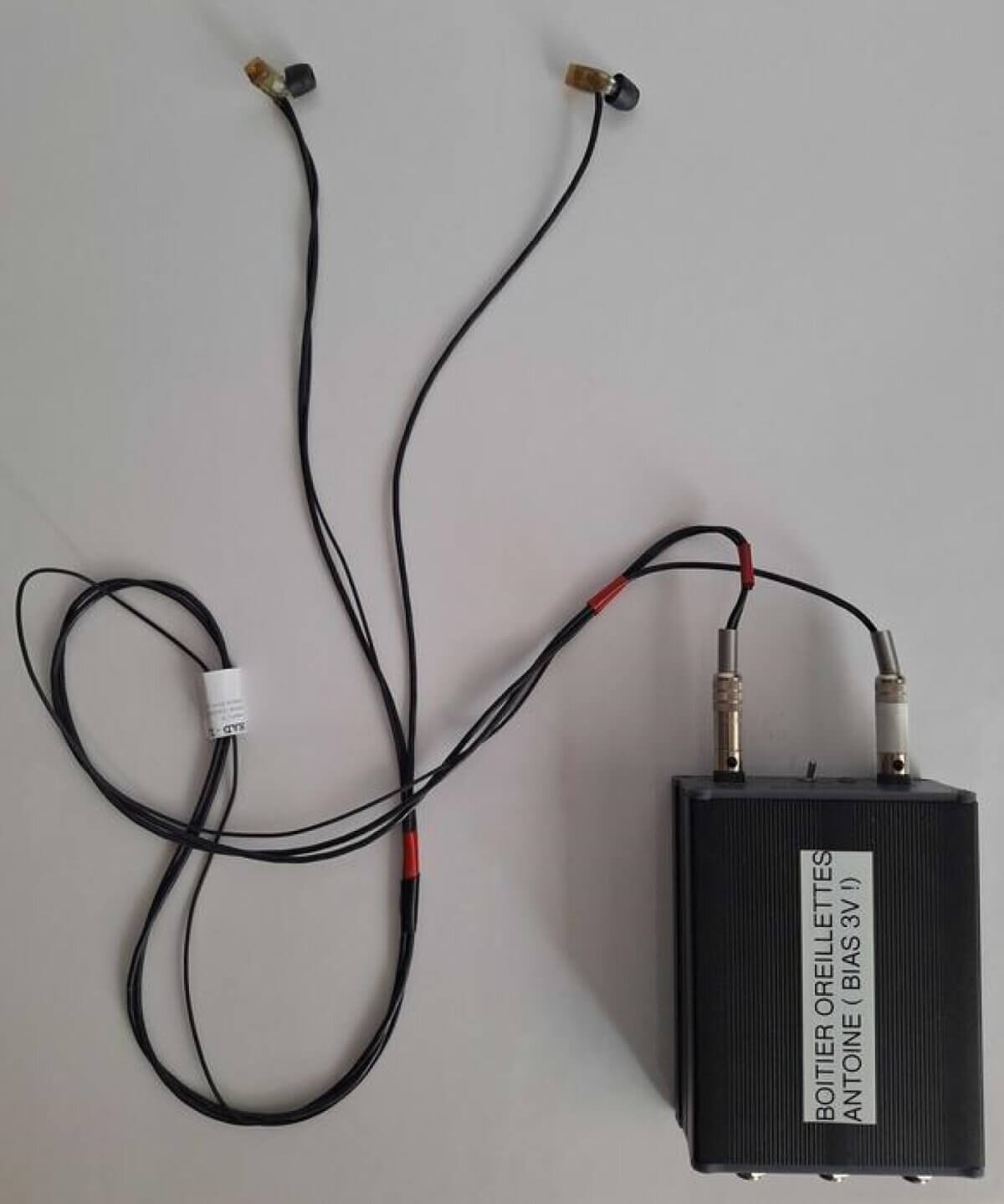
The science behind this approach is surprisingly straightforward. When our eyes move, they create tiny vibrations in our eardrums that sensitive microphones can detect. The researchers are currently conducting experiments where volunteers wear both these special earpieces and traditional eye-tracking equipment, allowing them to identify which ear signals correspond to normal eye movements and which might indicate neurological problems.
This research could be particularly significant given that Alzheimer’s affects more than 50 million people worldwide, with numbers growing each year. Early detection remains one of the biggest challenges in fighting the disease, as symptoms often develop gradually over many years before becoming noticeable.
The team envisions a future where this technology could be incorporated into everyday devices like wireless earbuds, providing continuous, non-invasive monitoring for early signs of neurological conditions.
“While the current project is focused on long-term monitoring of Alzheimer’s disease, eventually, we would like to tackle other diseases and be able to differentiate between them based on symptoms that can be tracked through in-ear signals,” Shamei notes.
While the research is still in its early stages, it represents an innovative approach to detecting one of humanity’s most challenging diseases – potentially using technology that could be as accessible as the earbuds in your pocket.


