(credit: Dmytro Tyshchenko/Shutterstock)
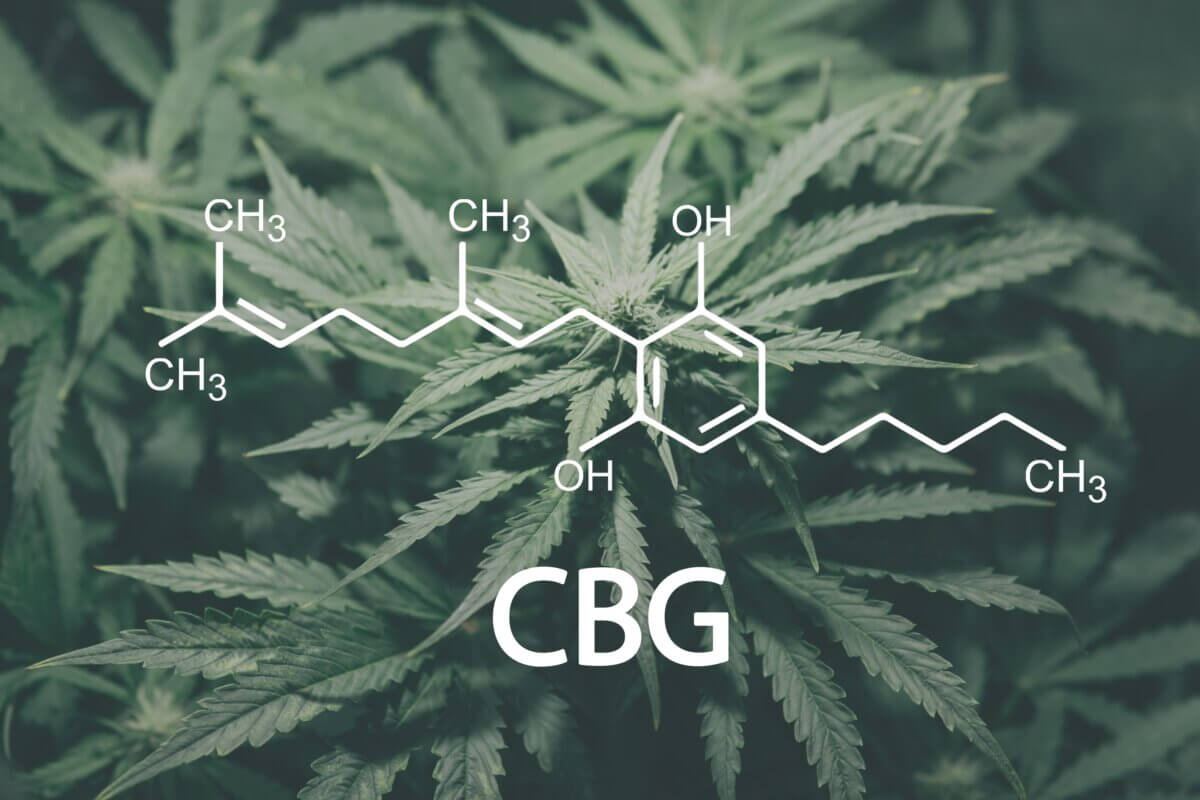
PULLMAN, Wash. — Move over CBD, there’s a new cannabinoid in town that’s catching researchers’ attention. Cannabigerol (CBG) is emerging as a potential anxiety-busting compound without the intoxicating effects associated with marijuana use.
A groundbreaking study published in Scientific Reports offers the first clinical evidence that CBG may help reduce anxiety and stress in healthy adults.
While THC (the main psychoactive component in marijuana) and CBD have dominated cannabis research and products, CBG has flown under the radar until recently. Often called the “mother cannabinoid,” CBG is a precursor molecule to many other cannabinoids found in the cannabis plant. As legal cannabis markets have expanded, producers have begun isolating CBG and touting its potential benefits, despite limited scientific evidence to back up their claims.
Now, researchers from Washington State University have conducted the first placebo-controlled trial examining CBG’s effects on anxiety, stress, and mood in humans. Their findings suggest that CBG may offer a new option for those seeking natural anxiety relief without the “high” or impairment often associated with cannabis use.
The study found that participants who took a single 20 mg dose of CBG reported feeling less anxious compared to when they took a placebo. On average, anxiety levels dropped by about 26.5% after taking CBG. While this may not seem dramatic, it’s important to note that the participants were healthy adults without clinical anxiety disorders, so their baseline anxiety levels were already relatively low.
“CBG is becoming increasingly popular, with more producers making bold, unsubstantiated claims about its effects,” says study author Carrie Cuttler, an associate professor of psychology at Washington State University, in a media release. “Our study is one of the first to provide evidence supporting some of these claims, helping to inform both consumers and the scientific community.”
“We triple-checked to ensure accuracy, and the enhancement was statistically significant.”

Interestingly, CBG also appeared to enhance verbal memory, with participants recalling more words on a standardized memory test after taking CBG compared to the placebo. This finding was unexpected and contrasts sharply with the well-documented negative effects of THC on memory.
Perhaps most importantly, CBG did not produce any signs of intoxication or impairment. Participants reported no significant “high” feeling, and their performance on a smartphone-based impairment test was unchanged after taking CBG. This suggests that CBG could potentially offer anxiety relief without interfering with daily activities or cognitive function.
While these results are promising, it’s important to note that this is just one study with a relatively small sample size. Much more research is necessary to fully understand CBG’s effects and potential therapeutic uses. However, this initial evidence opens the door for further investigation into CBG as a possible alternative or complement to existing anxiety treatments.
“We need to avoid claims that CBG is a miracle drug. It’s new and exciting, but replication and further research are crucial,” Cuttler says. “Ongoing and future studies will help build a comprehensive understanding of CBG’s benefits and safety, potentially offering a new avenue for reducing feelings of anxiety and stress without the intoxicating effects of THC.”
Paper Summary
Methodology
The researchers used a double-blind, placebo-controlled crossover design, which is considered the gold standard for clinical trials. This means that each participant completed two sessions: one where they received CBG and another where they received a placebo, but neither the participants nor the researchers knew which was which during the sessions. This helps eliminate bias and placebo effects.
The study was conducted remotely via Zoom, with participants taking the CBG or placebo at home. They then completed various questionnaires and tests to measure anxiety, stress, mood, memory, and impairment. The researchers also included a stress-inducing task to see how CBG might affect stress responses.
Key Results
Participants reported feeling less anxious after taking CBG compared to the placebo. CBG appeared to reduce stress levels, particularly before the stress-inducing task.
Surprisingly, participants performed better on a verbal memory test after taking CBG. CBG did not cause any noticeable impairment or intoxication. There were no significant differences in mood or side effects between CBG and placebo.
Study Limitations
The study used a relatively small sample of 34 participants who were all healthy adults with previous cannabis experience. Only a single, relatively low dose of CBG was tested.
The effects were only measured for about an hour after taking CBG, so longer-term effects are unknown. The study was conducted remotely, which limited the researchers’ ability to measure physiological responses or control the testing environment.
Discussion & Takeaways
The researchers emphasize that while these results are promising, they need to be replicated in larger studies, especially with participants who have clinical anxiety disorders. The unexpected finding of improved verbal memory with CBG is intriguing and warrants further investigation.
The lack of impairment or intoxication with CBG is a significant point, as it suggests CBG could potentially be used without interfering with daily activities. However, the researchers caution that more studies are needed to confirm CBG’s safety profile, especially with higher doses or long-term use.
Overall, this study provides the first clinical evidence supporting CBG’s potential as an anxiety-reducing compound, opening the door for further research into its therapeutic uses.
Funding & Disclosures
The study was conducted by researchers at Washington State University. This research was funded by CReDO Science, who are working with CBG. The funder had no role in the analyses or interpretation of the findings.


