
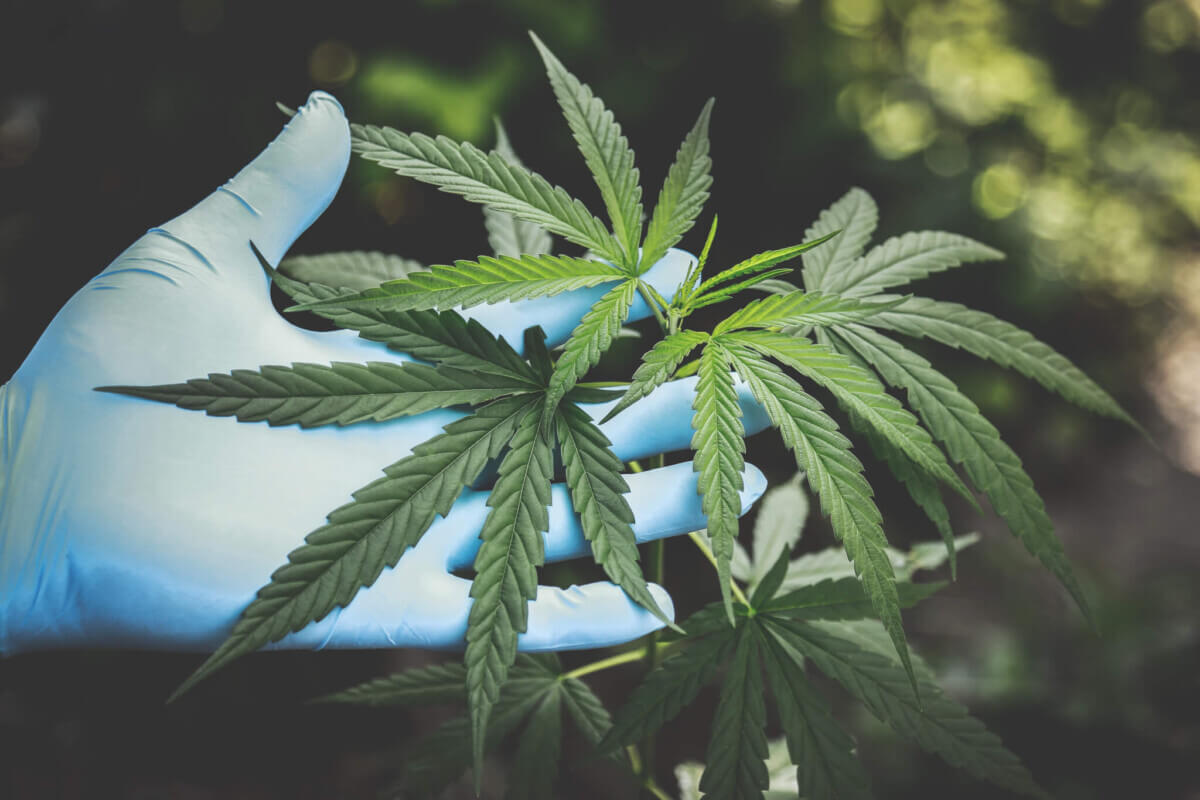
(Photo by RDNE Stock project from Pexels)
BONN, Germany — As we age, our brains slow down. We become more forgetful, less sharp, and struggle to learn new things as easily as we once did. However, the answer to turning back the clock on our aging brains may be hiding in a surprisingly place — cannabis.
New research from Germany suggests that long-term, low-dose treatment with THC — the main psychoactive component in marijuana that gives users a “high” feeling — could help keep aging brains youthful and nimble. While high doses of THC are known to impair memory and cognition, carefully controlled low doses appear to have the opposite effect in older brains.
In a groundbreaking study published in the journal ACS Pharmacology & Translation Science, researchers treated elderly mice with small daily doses of THC for several weeks. The aging mice showed dramatic improvements in learning, memory, and cognitive flexibility. Their brains even started producing new connections between neurons, a process typically associated with young, developing brains.
How exactly does THC work this anti-aging magic on the brain?
The key seems to lie in its effects on metabolism and energy production. Specifically, researchers at University Hospital Bonn (UKB) say the protein switch mTOR influences cognitive performance and metabolic processes based on its signal strength.
The study found that THC treatment triggered a complex cascade of metabolic changes in the brains of older mice. It ramped up energy production, increased the availability of raw materials needed to form new brain connections, and activated pathways associated with cellular repair and renewal.
In essence, the THC seemed to shift the aging brains into a more youthful, energized state primed for growth and plasticity. It’s as if the brains got a metabolic makeover, shedding their sluggish, elderly metabolism for a spry, adolescent one.
Intriguingly, these rejuvenating effects were only seen in older animals. When young mice were given the same THC treatment, it actually impaired their cognitive abilities slightly. This suggests that THC’s effects on the brain are highly dependent on age.
The researchers believe this may be because the endocannabinoid system – the brain’s natural cannabis-like signaling system that THC taps into – changes significantly with age. In older brains, this system becomes less active. The low-dose THC treatment may help restore it to more youthful levels of functioning.
If these findings translate to humans, it could open up exciting new possibilities for treating age-related cognitive decline and perhaps even Alzheimer’s disease. A cannabis-based medication that keeps aging brains sharp and plastic could be revolutionary.
Of course, this doesn’t mean seniors should rush out to their local dispensary just yet. The study used very precise, controlled doses of pure THC – a far cry from smoking a joint. Much more research is necessary to determine if these benefits would occur in humans and what the optimal treatment regimen might be.
“We concluded that long-term THC treatment initially has a cognition-enhancing effect by increasing energy and synaptic protein production in the brain, followed by an anti-aging effect by decreasing mTOR activity and metabolic processes in the periphery,” says Dr. Andras Bilkei-Gorzo from the Institute of Molecular Psychiatry at the UKB in a media release. “Our study suggests that a dual effect on mTOR activity and the metabolome could be the basis for an effective anti-aging and cognition-enhancing drug.”
Paper Summary
Methodology
The researchers treated 18-month-old mice (equivalent to about 65 in human years) with low doses of THC delivered via implanted pumps for 28 days. They then conducted various tests to assess the mice’s cognitive abilities and examined their brains and other tissues. They also ran some experiments on younger mice for comparison. Sophisticated chemical analysis techniques were used to measure metabolites in the brain, blood, and fat tissue.
Key Results
The THC treatment improved cognitive performance in the older mice and increased the formation of new synapses (connections between neurons) in their brains. It also caused widespread changes in metabolism, particularly in the brain and fat tissue. Many of these changes mimicked patterns seen in younger animals or associated with other anti-aging interventions like calorie restriction. Notably, most of these effects were not seen, or were reversed, in young mice given the same treatment.
Study Limitations
This study was conducted in mice, so it’s unclear if the same effects would occur in humans. The researchers used pure THC, which may have different effects than whole cannabis. The long-term safety of this treatment approach is unknown. Additionally, only male mice were used, so potential sex differences couldn’t be assessed.
Discussion & Takeaways
The study suggests that low-dose THC could potentially be used to combat age-related cognitive decline by rejuvenating brain metabolism and plasticity. However, the age-dependent nature of the effects highlights the need for caution – what’s beneficial for older brains may be harmful to younger ones. The metabolic changes induced by THC treatment provide new insights into how cannabis interacts with the aging process and may point to novel therapeutic targets for age-related conditions.
Funding & Disclosures
The study was funded by the Deutsche Forschungsgemeinschaft (German Research Foundation). The authors declared no competing financial interests.


Mouse studies since 1970s has shown cannabis has an anti-tumor properties…Fifty years later and we’re still waiting for results in humans, though large studies show it may have a protective effect https://www.liebertpub.com/doi/10.1089/can.2019.0095