
(Photo by Felipe Caparros on Shutterstock)
Researchers believe the pets picked up the virus after cases emerged at nearby dairy farms.
In A Nutshell
- Four cats in a Tulare, CA household became sick with H5N1 bird flu during nearby dairy farm outbreaks.
- Two cats died quickly despite fluids and antibiotics; no antivirals were tried before death.
- Two other cats survived after early treatment with oseltamivir (Tamiflu) and supportive care.
- Blood tests months later showed strong and lasting antibodies in the survivors.
- The case highlights risks for household pets living near farms and the need for clearer veterinary guidance.
TULARE, Calif. — A California family watched their four beloved cats get sick one by one last fall. Two of them didn’t make it. But the other two survived after their veterinarian made a bold decision to treat them with the same flu medicine doctors give to people.
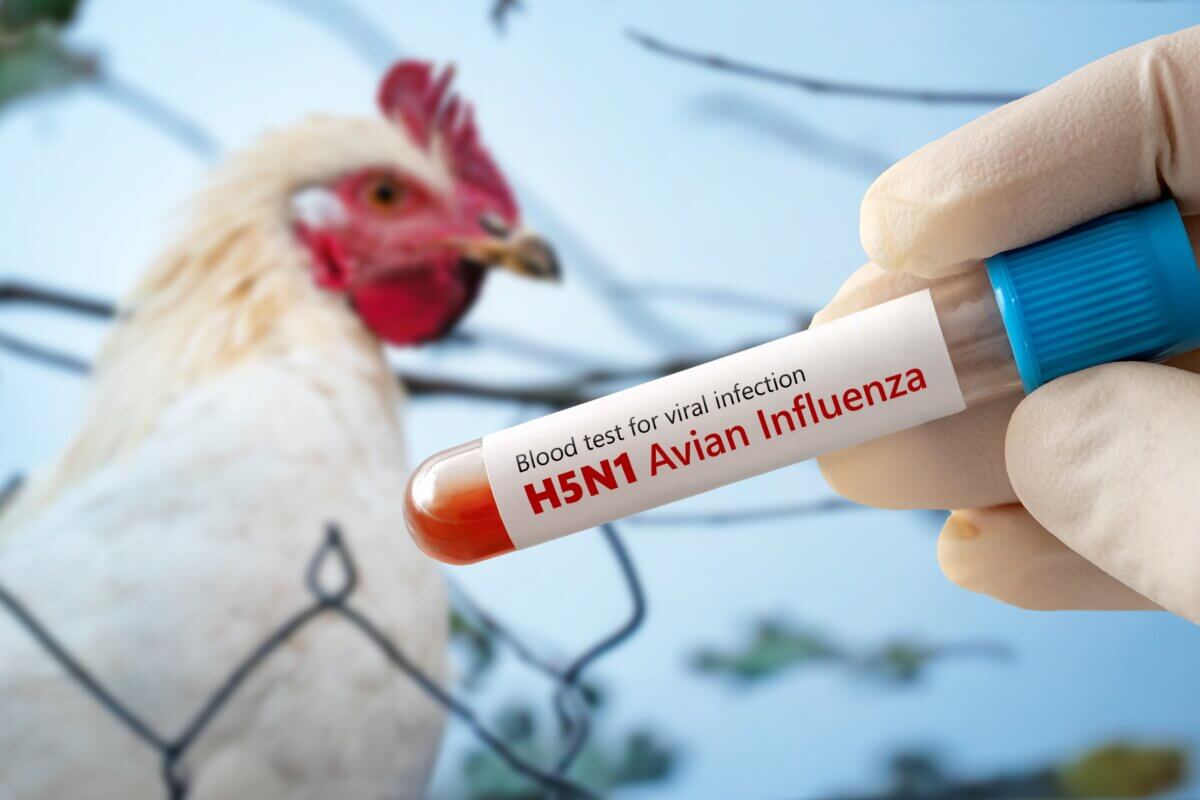
The cats had caught H5N1 bird flu, the virus that’s been tearing through dairy farms and chicken coops across America. Now it’s jumped into people’s homes, putting millions of pet cats at risk.
The family’s story, published in the medical journal One Health, shows how quickly this virus can spread from barns to living rooms. And it offers the first real proof that cats can beat this disease if they get help fast enough.
How Bird Flu Came Home
The trouble started in Tulare, California, where dairy farms and suburban neighborhoods sit side by side. The family lived less than a mile from farms dealing with bird flu outbreaks. The husband sold hay to local farms, visiting them regularly for work.
Dr. Jacob Gomez, the veterinarian who ended up treating the cats, knew something was wrong when the first two cats died so quickly. But when he called state and federal agriculture officials for help, nobody called back. “Due to the current demand from the food animal sector, feline outbreak calls were not returned and no treatment or testing options were provided,” the study notes.
Gomez was on his own with dying cats and no playbook to follow.
The first cat to get sick was an indoor-only pet who suddenly became too weak to walk around. Despite being up to date on all his shots, he died at an emergency animal hospital. A few days later, another cat from the same house got sick with identical symptoms and also died, even with supportive care.
By then, Gomez suspected bird flu. When the family brought in their third cat, running a high fever and barely responsive, the veterinarian decided to take a chance.
A Risky Treatment That Worked
With no official guidance and no time to waste, Gomez prescribed Tamiflu, the antiviral drug people take for regular flu. He gave the cat the human dose, twice a day for ten days, along with fluids and fever reducers.
Within a week, the cat was eating again and back to his normal self. When the fourth cat arrived with similar symptoms the next day, Gomez used the same treatment. That cat also recovered completely.
Months later, blood tests confirmed what Gomez suspected. Both surviving cats had developed strong immunity against H5N1. One cat showed exceptionally high protection levels, while the other had moderate but still robust immunity. Both cats stayed healthy and active, with their protection lasting at least three to four months after getting sick.
Why Cats Are Sitting Ducks for This Virus
Cats can catch H5N1 in several ways that make them particularly vulnerable. They might eat infected birds or mice, drink contaminated milk, or simply breathe in virus particles. Even indoor cats aren’t safe since the virus can hitchhike into homes on shoes, clothing, or other items from farms or markets.
Bird flu has already surprised scientists by infecting seals, bears, foxes, and other mammals that weren’t supposed to be at risk. Now cats are joining that list, and each new species gives the virus more chances to change and potentially become more dangerous to people.
The problem is that nobody’s really watching for bird flu in household pets. All the surveillance focuses on commercial farms, creating a blind spot where infections in family cats could go completely unnoticed.

What Cat Owners Need to Know
Pet owners should watch for sudden exhaustion, loss of appetite, fever, trouble breathing, and any neurological changes like confusion or difficulty walking. These symptoms need immediate veterinary attention, especially in areas where bird flu has hit local farms or wild birds.
The catch is that most veterinarians don’t have clear instructions for diagnosing or treating bird flu in pets. Gomez had to wing it with his own protocol, but cat owners shouldn’t have to hope their vet is willing to experiment during a crisis.
The good news from this California outbreak is that early treatment with antivirals can save cats’ lives. The key seems to be recognizing the symptoms quickly and getting treatment before the virus does permanent damage.
This family’s experience serves as both hope and warning. Bird flu has officially left the farm and entered the home, proving it can cross boundaries we thought were safe. Pet owners near affected farms can no longer assume distance protects their animals. The virus has already shown it can make that jump, and it’s not slowing down.
Disclaimer: This article is for general information only and is not a substitute for professional veterinary or medical advice.
Paper Summary
Methodology
Researchers documented cases of four domestic cats from one household in Tulare, California, who became ill with H5N1 between October and November 2024. The family lived within a mile of dairy farms experiencing H5N1 outbreaks, and one family member worked as a hay salesman visiting multiple farms. Two cats died before receiving antiviral treatment, while two others received oseltamivir (Tamiflu) along with supportive care including fluids and anti-inflammatory medications. Blood samples were collected from the two survivors months later and tested for influenza A antibodies using ELISA testing and for H5N1-specific neutralizing antibodies using microneutralization assays at university laboratories.
Results
The two cats treated with oseltamivir made complete recoveries and tested positive for both general influenza A antibodies and H5N1-specific neutralizing antibodies three to four months after infection. One survivor showed very high neutralizing antibody levels (1:640) while the other showed moderate levels (1:160), both well above the protective threshold. The cats maintained good health and normal activity levels at follow-up, suggesting lasting immunity and full recovery.
Limitations
Only four cats from a single household were involved, making it impossible to draw broad conclusions about treatment effectiveness across different cat populations. No control group existed for comparison, and the two untreated cats died before antiviral therapy could be attempted. The researchers couldn’t definitively prove the source of infection, though proximity to infected dairy farms suggests environmental exposure. Follow-up was limited, with some cats lost to monitoring after initial treatment.
Funding and Disclosures
The research was supported by the University of Maryland Baltimore Institute for Clinical & Translational Research, the University of Maryland Strategic Partnership MPowering the State program, discretionary funding from the University of Maryland School of Public Health, and USDA-ARS Agreement 58-3022-4-048. The authors declared no competing financial interests or personal relationships that could influence the work.
Publication Information
The case series was published in One Health, Volume 21, in 2025, with the article number 101211. The paper was received in July 2025, revised in September 2025, and accepted for publication on September 15, 2025. The research was conducted by Jacob F. Gomez from Cross Street Small Animal Veterinary Hospital and colleagues from the University of Maryland and University of Texas Medical Branch.


BTW, Tamiflu is based on Star Anise, WHICH IS BAD FOR CATS!
“Star anise contains anethole, an essential oil that can be toxic to cats.
It can also cause gastrointestinal irritation, vomiting, diarrhea, and seizures”
Pet vaccines also cause seizures and a vet is supposed to disclose risks, but they never do cause they are probably clueless themselves.
ALL pet vaccines are very dangerous. How stupid to give a 5 pound dog the same dose as a 150 pound dog. Are vets really that stupid? They also mix aluminum with mercury and dump that into the bloodstream of an animal. These two substances react and cause inflammation.
Did I mention they put MSG in the rabies shot. This causes blood sugar issues and gives them more business down the road. There is no good reason to dump this poison into an animals bloodstream.
100% of vaccinated dogs developed illness compared to none of the unvaccinated ones in a Perdue study whereas NONE of the unvaccinated developed illness.
I have a friend who had to find homes for 4 of her cats. Two found a good home. The other two went to a shelter where they were vaccinated. The first one died first day and the second, the second day. The unvaccinated are alive and well today.
Vets, like doctors have no clue what they are injecting or long term effects, yet I bet they know exactly how much money they make per shot.
https://www.2ndsmartestguyintheworld.com/p/top-veterinarian-drops-bombshell?r=b9o7a&triedRedirect=true
Some vets are more honest like this one;
https://www.godlikeproductions.com/external?https%3A%2F%2Fwww.youtube.com%2Fwatch%3Fv%3Doc6E8eqXyOk%26pp%3DygUgcGV0IHZhY2NpbmUgdGVzdGltb255IGZyb20gYSB2ZXQ%253D