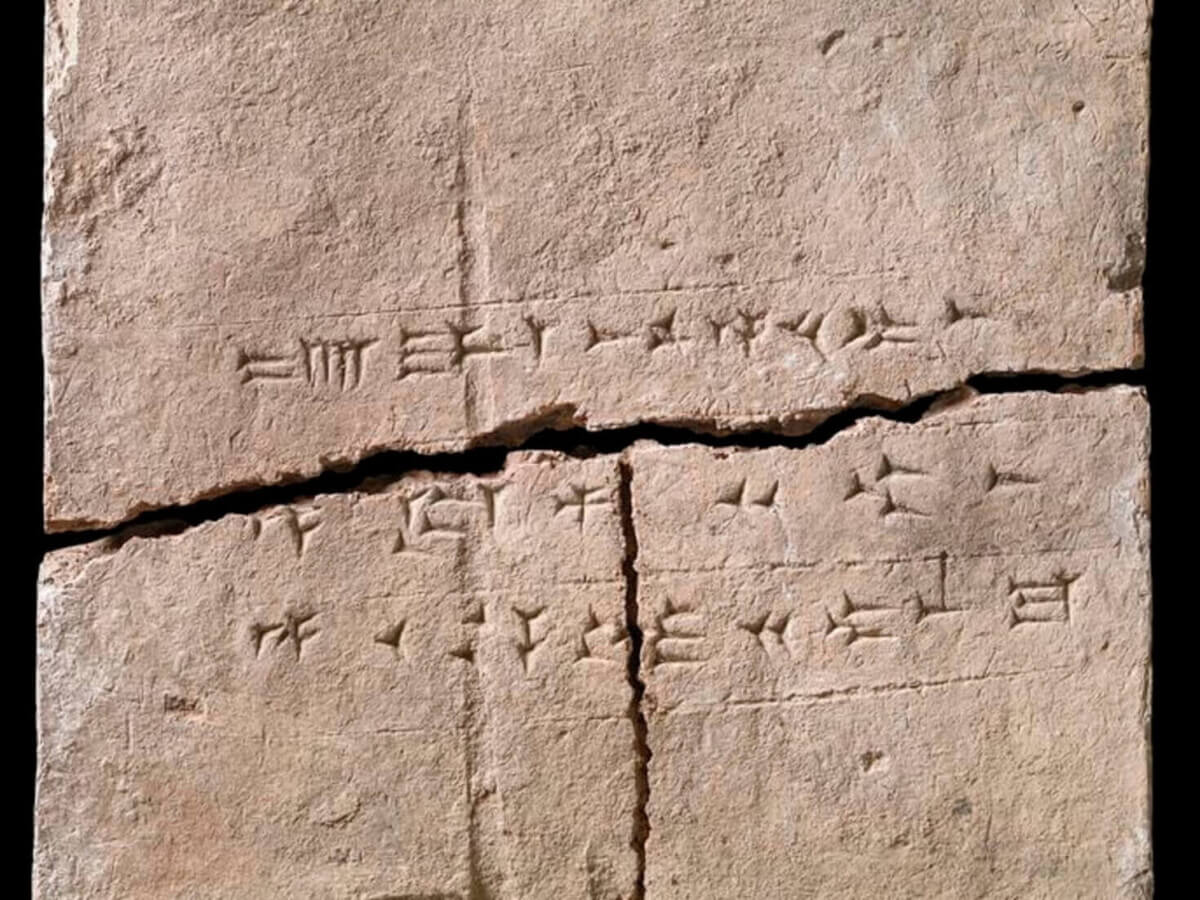
The clay brick from the National Museum of Denmark from which the samples were derived. (Credit: Arnold Mikkelsen og Jens Lauridsen)
OXFORD, United Kingdom — A unique clay brick, originating from the ancient city of Kalhu, contains plant DNA from almost 3,000 years ago. Currently located at the National Museum of Denmark, the brick bears a cuneiform inscription – an ancient writing system – indicating that it was “The property of the palace of Ashurnasirpal, king of Assyria.” This allowed researchers to date the brick accurately to between 879 BCE to 869 BCE.
The brick comes from the palace of the Neo-Assyrian king Ashurnasirpal II. This historic site, recognized today as the North-West palace in Nimrud in modern-day northern Iraq, began its construction around 879 BCE.
In 2020, during a digitalization project at the museum, researchers delved into the brick’s inner core, where there was minimal risk of DNA contamination. By adapting methods previously used for porous materials like bone, the team extracted DNA. Their analysis identified 34 plant groups, with the most abundant being Brassicaceae (cabbage) and Ericaceae (heather). Other DNA sequences linked to Betulaceae (birch), Lauraceae (laurels), Selineae (umbellifiers), and Triticeae (cultivated grasses) families.
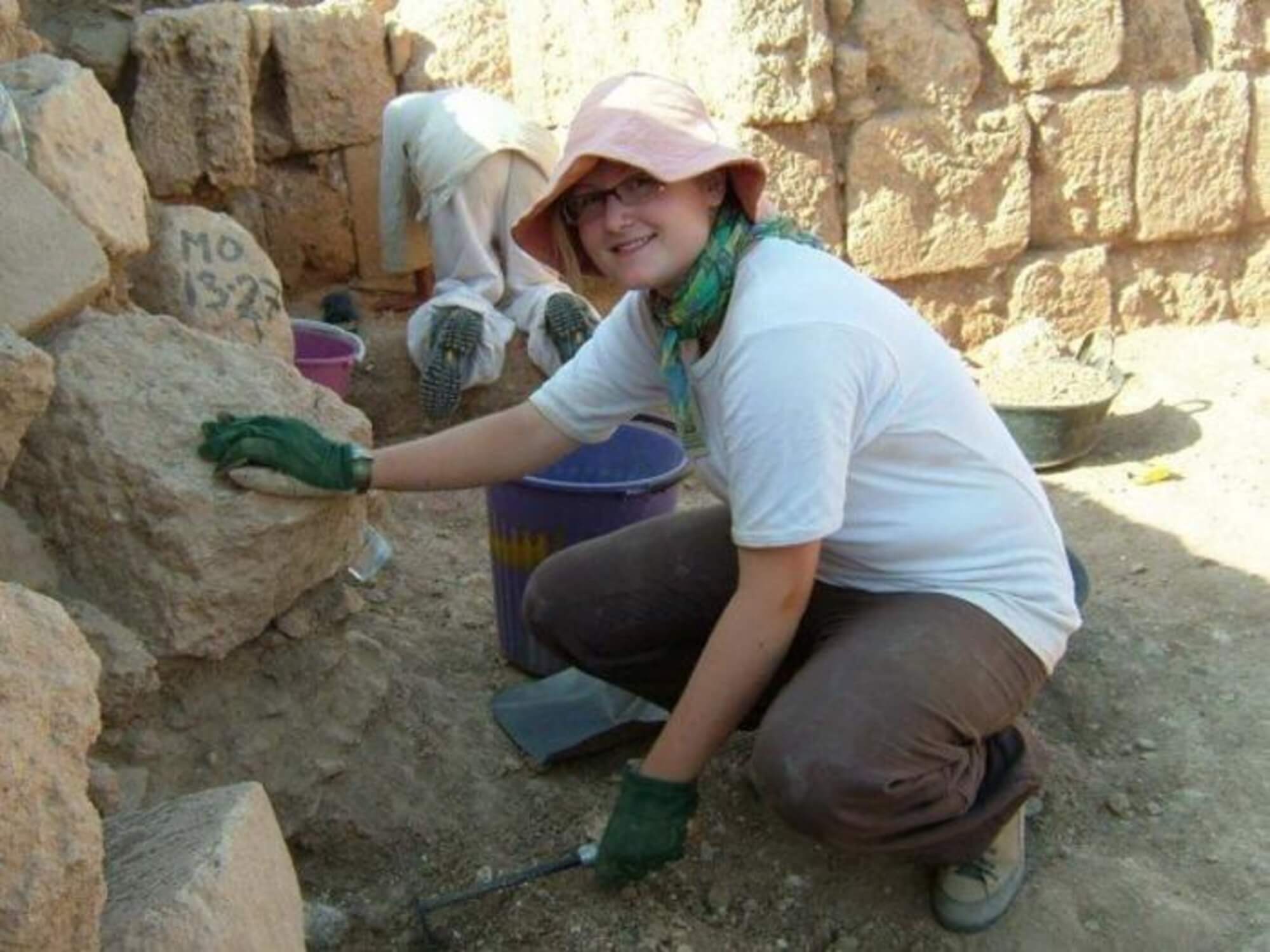
Collaborating with assyriologists, archaeologists, and geneticists, University of Oxford researchers compared their findings to modern botanical records from Iraq and ancient Assyrian plant descriptions. The brick, primarily made of mud from the local Tigris River mixed with chaff, straw, or dung, was molded and inscribed with cuneiform. It was sun-dried and not burned, helping preserve the genetic material within.
“We were absolutely thrilled to discover that ancient DNA, effectively protected from contamination inside a mass of clay, can successfully be extracted from a 2,900-year-old clay brick,” says study first author Dr. Sophie Lund Rasmussen, from the Wildlife Conservation Research Unit in the Department of Biology at Oxford, in a university release. “This research project is a perfect example of the importance of interdisciplinary collaboration in science, as the diverse expertise included in this study provided a holistic approach to the investigation of this material and the results it yielded.”
The study’s implications go beyond this one single brick. Such research can be applied to other archaeological clay sources globally, identifying past flora and fauna. Given that clay materials are commonly found in archaeological sites worldwide and can often be precisely dated, they present unique opportunities.
While this study focused on plant DNA, all types of taxa, including vertebrates and invertebrates, could potentially be identified. Recognizing ancient biodiversity can provide invaluable insights into current biodiversity losses and offer a deeper understanding of ancient civilizations.
“Because of the inscription on the brick, we can allocate the clay to a relatively specific period of time in a particular region, which means the brick serves as a biodiversity time-capsule of information regarding a single site and its surroundings,” says study first author Dr. Troels Arbøll, a junior research fellow at Faculty of Asian and Middle Eastern Studies at Oxford. “In this case, it provides researchers with a unique access to the ancient Assyrians.”
The study is published in the journal Scientific Reports.


If the bricks are made of dung, why does the article only mention plant DNA being identified? What type of DNA did they recover, how degraded was it? How did they do the classification?