
Retired couple drinking coffee (Photo by MART PRODUCTION on Pexels)
Ferulic Acid May Calm Arteries, But Supplementation Necessary For Benefit
In a nutshell
- Ferulic acid, a natural compound found in foods like rice, wheat, apples, and coffee, significantly reduced coronary artery spasms in lab tests using pig arteries, often performing better than the prescription drug diltiazem.
- The compound works through two mechanisms: it blocks calcium channels and also interferes with muscle contraction pathways that operate independently of calcium, offering broader protection than traditional heart medications.
- While the effective doses used in the study were higher than what’s found in food, the researchers say therapeutic levels may be achievable through supplements, and prior trials suggest it’s safe at high doses.
FUNABASHI, Japan — Something hiding in everyday foods like rice, wheat, apples, and coffee could potentially help protect your heart from dangerous spasms. Scientists from Japan have found that ferulic acid, a natural compound in these foods, outperformed a commonly prescribed heart medication in several lab tests designed to mimic the conditions that can lead to heart attacks. That said, experts note that the amount you’d need to enjoy this benefit would likely have to come from a supplement.
In the study, published in the Journal of Pharmacological Sciences, ferulic acid, a polyphenol that gives many plant foods their antioxidant properties, showed remarkable ability to relax coronary arteries in laboratory tests using pig hearts. This natural compound outperformed diltiazem, a commonly prescribed calcium channel blocker used to treat coronary artery spasms, in several lab tests.
Heart disease remains the leading cause of death in America, claiming roughly 695,000 lives annually. Coronary artery spasms—sudden, severe tightening of the arteries that supply blood to the heart muscle—can cut off blood flow and trigger heart attacks even in people without significant arterial blockages. Current treatments often involve calcium channel blockers like diltiazem, but these medications can have side effects and don’t work for everyone.
Researchers at Toho University tested ferulic acid against various substances known to trigger coronary artery spasms, including endothelin-1, histamine, and serotonin. These are compounds that naturally occur in the body and can cause dangerous arterial contractions during stress or inflammation.

Using strips of coronary arteries from pig hearts, which share striking similarities with human coronary arteries in both structure and function, the team exposed the tissue to different concentrations of ferulic acid. The natural compound consistently prevented arterial contractions across a wide range of triggering substances.
When researchers compared ferulic acid directly with diltiazem, they found that ferulic acid showed greater effectiveness against most chemical triggers but was less effective against potassium-induced contractions. This suggests ferulic acid works differently than traditional medications and could potentially provide broader protection.
How Ferulic Acid Protects Your Heart Arteries
Unlike conventional heart medications that typically target one specific pathway, ferulic acid appears to work through two distinct methods. First, like diltiazem, it blocks L-type calcium channels, the cellular doorways that allow calcium to enter muscle cells and trigger contractions.
But ferulic acid doesn’t stop there. The researchers discovered it also interferes with cellular processes that can cause arterial contractions even when calcium channels are blocked. Specifically, it inhibits myosin light chain phosphorylation, a process that makes muscle fibers contract independently of calcium.
The study found that ferulic acid affected this muscle contraction process regardless of whether calcium was present in the surrounding environment. In simpler terms, ferulic acid could prevent dangerous arterial spasms in multiple ways, potentially making it more effective than drugs that target only one process.
This dual action explains why ferulic acid performed better than diltiazem against certain types of arterial contractions. While diltiazem mainly blocks calcium channels, ferulic acid tackles the problem from multiple angles.
Could Supplements Replace Heart Medications?
The concentrations of ferulic acid that showed protective effects in the laboratory study were higher than what you’d typically get from eating foods rich in this compound. However, the researchers suggest that the amount needed for heart protection might be achievable through concentrated supplements.
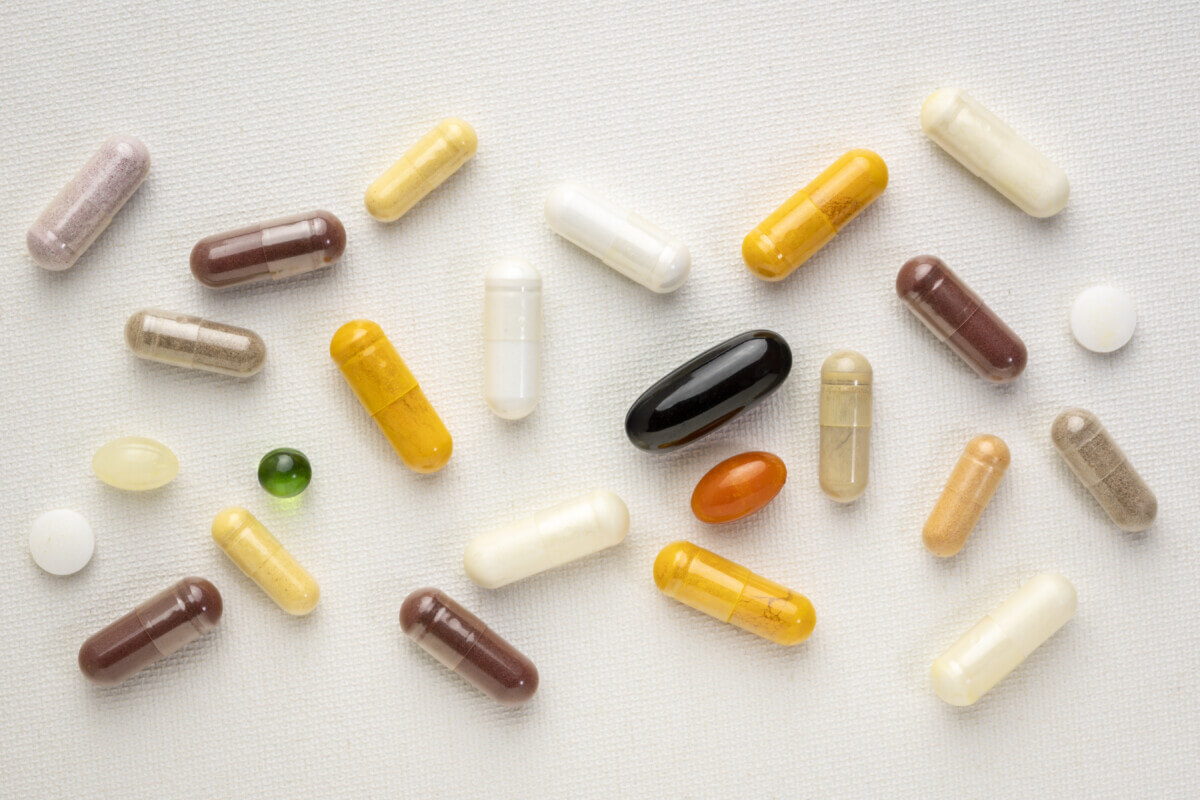
Currently available ferulic acid supplements typically contain 100-500 milligrams. Based on previous studies of people taking supplements, the researchers say it might be possible to reach helpful levels of ferulic acid through supplements, especially since the things that trigger artery spasms in real life are probably much less intense than the chemicals used in lab tests.
Ferulic acid is also very safe to take. The researchers noted that clinical trials using doses up to 1,000 milligrams daily for six weeks showed improvements in cholesterol levels without reported adverse effects.
This research builds on previous clinical evidence suggesting ferulic acid’s heart benefits. Earlier studies found that a related compound improved chest pain symptoms in patients with coronary heart disease, and animal experiments showed that ferulic acid intake reduced blood pressure while improving cardiovascular health. But this new study is the first to directly compare ferulic acid with prescription medications and examine its specific effects on coronary arteries.
The Future of Natural Heart Protection
This doesn’t mean these results are ready to replace medications. The study used pig arteries rather than human tissue, and laboratory conditions don’t perfectly replicate the complex environment inside living bodies. The ferulic acid concentrations used were higher than typical dietary intake, suggesting that benefits would likely require supplementation rather than just eating ferulic acid-rich foods.
The researchers also pointed out that they don’t yet know exactly how ferulic acid works at the molecular level to relax artery muscles. Figuring this out could help fine-tune the right dose and reveal who’s most likely to benefit from taking it.
Future studies will need to test ferulic acid in human clinical trials to confirm these laboratory findings translate to actual heart protection. Researchers will also need to determine optimal dosing strategies and identify any potential interactions with existing heart medications.
Nevertheless, many Americans are seeking alternatives to drugs. If future human studies confirm these findings, supplementing with ferulic acid could become an effective strategy in the fight against heart disease, without solely relying on loads of prescription drugs.
Paper Summary
Methodology
Researchers obtained coronary arteries from pig hearts and prepared tissue strips to test how ferulic acid affects arterial contractions. They exposed these strips to various substances known to cause coronary artery spasms, including potassium chloride, acetylcholine, histamine, serotonin, and endothelin-1. The team tested different concentrations of ferulic acid (0.3 to 3 millimolar) and compared results with diltiazem, a prescription calcium channel blocker. They also used rat arterial smooth muscle cells to examine how ferulic acid affects calcium levels and protein phosphorylation. Each experiment included appropriate control groups and vehicle treatments.
Results
Ferulic acid consistently prevented coronary artery contractions in a dose-dependent manner across all tested triggers. When compared directly with diltiazem, ferulic acid showed superior inhibition of contractions caused by most chemical triggers, though it was less effective than diltiazem against potassium chloride-induced contractions. The compound worked through two mechanisms: blocking calcium channels (like diltiazem) and inhibiting myosin light chain phosphorylation, which allows muscle contraction independent of calcium influx. Cellular studies confirmed that ferulic acid reduced calcium increases in arterial muscle cells and decreased protein phosphorylation that drives muscle contraction.
Limitations
The study used pig arteries rather than human tissue, and laboratory conditions don’t fully replicate living cardiovascular systems. The effective concentrations of ferulic acid were higher than typical dietary intake levels, suggesting therapeutic benefits might require supplementation. The researchers didn’t identify the specific molecular targets responsible for ferulic acid’s effects on muscle contraction pathways. Sample sizes were relatively small (4-12 experiments per condition), and the study duration was limited to acute exposure rather than long-term treatment effects.
Funding and Disclosures
This research was supported by JSPS KAKENHI Grants-in-Aid for Scientific Research from the Japan Society for the Promotion of Science. The authors declared no conflicts of interest.
Publication Information
“Inhibitory effects of ferulic acid on the contraction responses of porcine coronary arteries: a comparison with diltiazem” by Kento Yoshioka, Keisuke Obara, Yilin Luo, and colleagues, published in the Journal of Pharmacological Sciences, Volume 158, pages 172-181, 2025. The study was received March 5, 2025, revised April 4, 2025, and accepted April 18, 2025.


