

A woman injects herself with a GLP-1 receptor antagonist drug. (© Mauricio - stock.adobe.com)
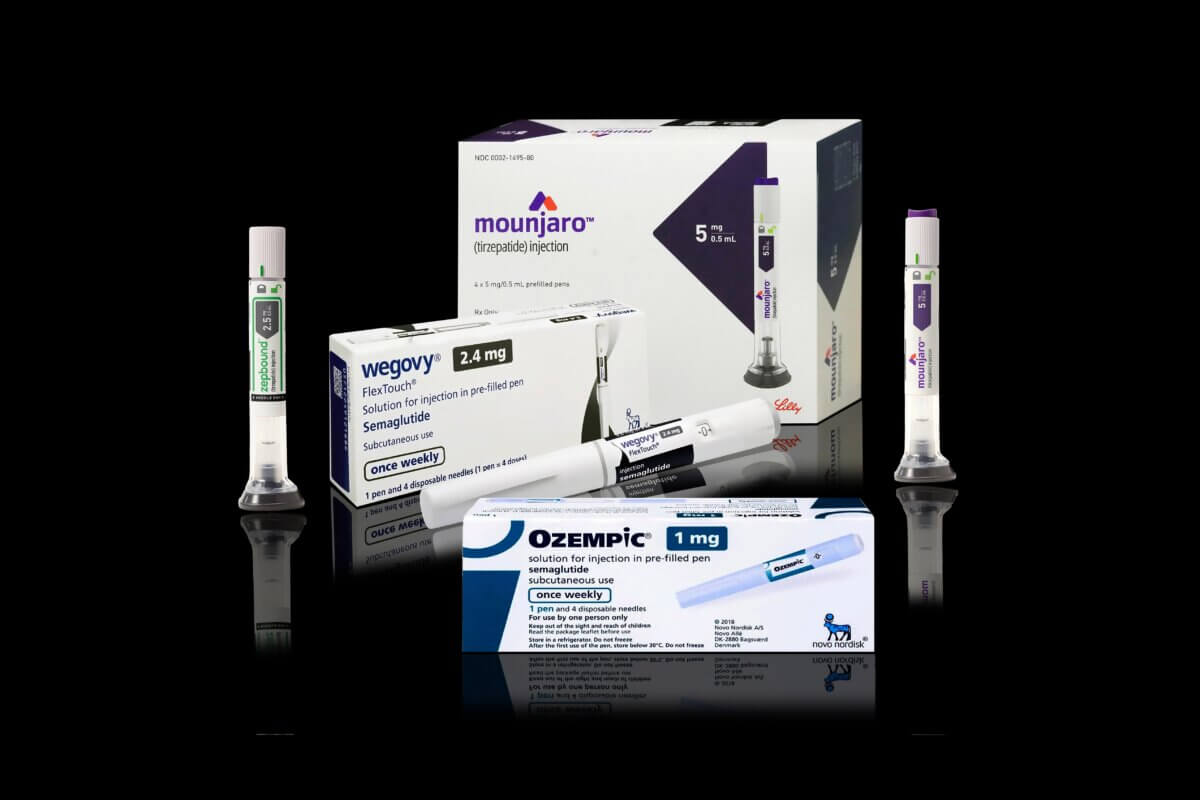
GLP-1 agonist weight loss drugs have been one of the most talked-about medical advancements of the decade. They’re even proving to have more beneficial effects on health than scientists thought. Drugs like Ozempic, Wegovy, Trulicity, and Mounjaro aren’t just treating diabetes and obesity, studies have shown they may reduce the risk of heart disease and cancer.
Despite all of this, doctors, including weight loss specialists, stress that people using these medications need to closely adhere to the drug’s clear guidelines if they want to see successful results. With that in mind, let’s look at the common mistakes patients make using GLP-1 agonists.
Buying faulty products
The mistake that experts warn about the most centers on ordering a product over the internet, bypassing a physician, and getting some compound that is not the proper formulation and and may not have rigorous manufacturing regulations.
Just don’t do it! You’re risking your health. You need a healthcare provider’s management to get the best outcome and the right medications.
Not staying on your dosing schedule
Missing doses or intentionally skipping doses, which some people may do to stretch out their supply of the drug, interferes with its success. The results you are looking for are based on a very regimented dosing schedule. Consistency leads to better outcomes.
According to Novo Nordisk, the manufacturer of both Ozempic and Wegovy, if you miss a dose of either:
- If it is within 5 days of the missed dose, take the missed dose as soon as you remember, then continue your regular schedule.
- If it is more than 5 days after the missed dose, skip the missed dose and stay on your regular schedule.
It is important to not take two doses within 48 hours of each other. For additional concerns or guidance, contact your healthcare provider. For different medications, consult the instructions that come with the package or call your healthcare provider.
Not prioritizing protein in your diet while taking GLP-1 agonists
Getting enough protein is vital to optimal weight loss. It’s the most satiating of the three macronutrients (proteins, carbohydrates, and fats). Protein is critical for maintaining muscle mass, especially while taking these drugs.
If you lose too much muscle, you end up with a higher percentage of body fat. GLP-1 agonists are highly effective at weight loss. A significant component of the loss, however, is lean body mass. Experts recommend prioritizing protein.
Forgetting to eat plenty of fiber
Fiber is another vital nutrient. Constipation is a common side-effect of taking semaglutide and similar drugs. When you don’t have much of an appetite, try eating foods with high concentrations of fiber, such as beans, lentils, and smoothies.
Not exercising enough
When you’re losing weight, exercise more to lessen muscle loss. You want to lose fat, not muscle. It’s also essential to maintain your metabolism. While using GLP-1 agonists for excess weight, put significant effort on strength training to maintain health and function.
Looking at weight loss drugs as a quick fix
Weight loss medications aren’t a temporary “kick-start” to weight loss. Their use is of an indefinite duration. Weight regain is actually expected after someone stops taking the medication.
Rebound hunger may increase your appetite for months. Some people will end up regaining more weight than they lost.
You must look at the root cause of excess weight. Journaling or other ways of reflecting on your beliefs about food is the first step in changing those beliefs.
Inconsistency with eating meals
While using a GLP-1 drug, it’s unlikely you’ll feel hungry. Eating regular meals is essential to avoid low nutrient levels. Eating a single meal a day can lead to uncomfortable side-effects.
Not eating at all backfires by lowering your metabolic rate. You can also lose too much muscle mass in relation to fat loss.
Eat at least two meals and one snack a day. High protein smoothies and a regular schedule will help you stay on track.
You are encouraged to report negative side-effects of prescription drugs to the FDA. Visit www.fda.gov/medwatch or call 1-800-FDA-1088.


I recently read “Magic Pill” by Johann Hari which explores the science, opinion and Hari’s own experiences with these GLP-1 drugs. It was a good read, but most of what is in this article was not covered in the book.
Near the end was a fascinating detour into the Japanese food system which was quite impressive.