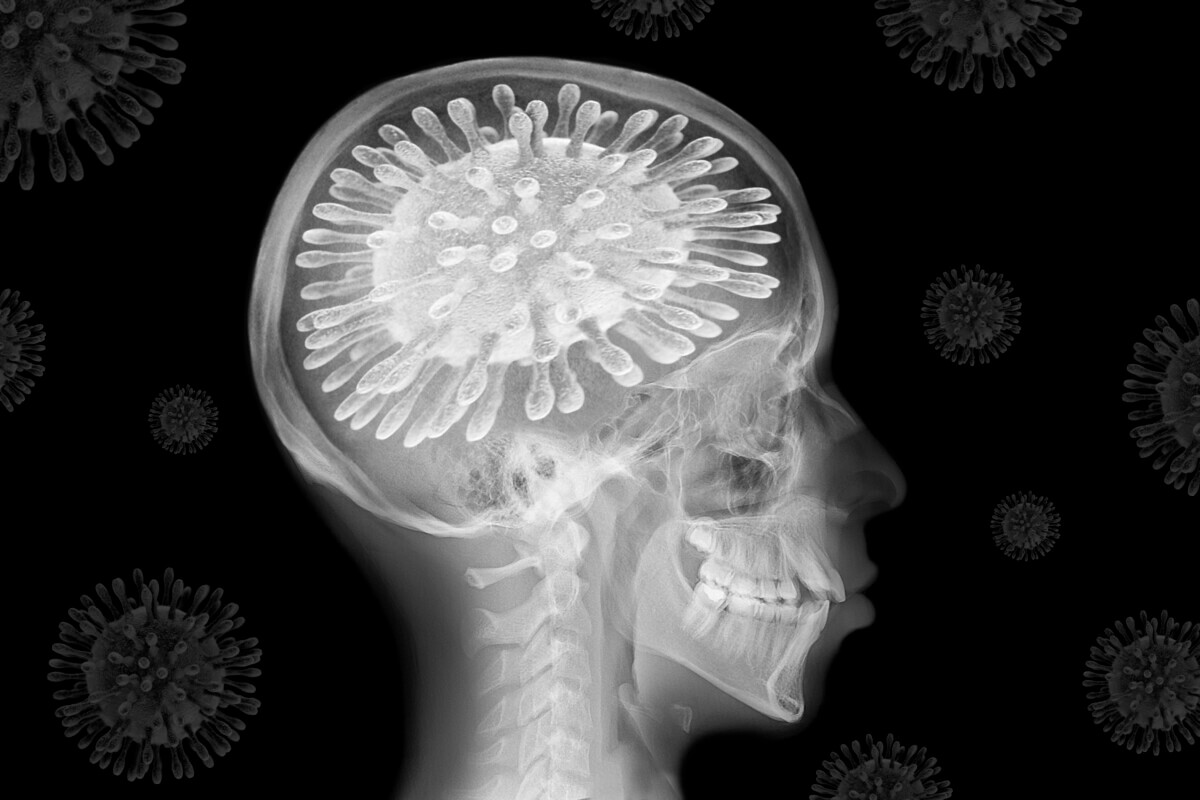
Whether you were infected with the virus or not, stress from the COVID-19 pandemic still led to brains aging faster. (© quickshooting - stock.adobe.com)
CHICAGO, Ill. — As COVID-19 variants bring renewed fears of the pandemic strengthening again, a new study finds those who end up in the hospital face a one-percent chance of suffering life-changing brain disorders as a result. Researchers with the Radiological Society of North America (RSNA) say one in 100 hospitalized COVID patients will experience severe complications in the central nervous system.
The new study finds these complications include strokes, brain hemorrhages, and other life-threatening conditions such as brain inflammation.
“Much has been written about the overall pulmonary problems related to COVID-19, but we do not often talk about the other organs that can be affected,” says study lead author Scott H. Faro, M.D., FASFNR, director of Neuroradiology/Head & Neck Imaging at Thomas Jefferson University, in a media release. “Our study shows that central nervous system complications represent a significant cause of morbidity and mortality in this devastating pandemic.”
Dr. Faro took a deeper look at the problems COVID-19 can cause in the brain after discovering that previous research had only studied a small number of cases showing central nervous system dysfunction. His team examined nearly 40,000 hospitalized COVID-19 patients in 11 hospitals across the United States and Europe. All of the patients entered hospitals between September 2019 and June 2020 and had an average age of 66 years-old.
Strokes and brain bleeding are common complications
Researchers note that most of the patients complained of confusion or an altered mental status during their trip to the emergency room. Another symptom many patients reported was fever. Study authors also found that a majority of the group had either high blood pressure, heart disease, or diabetes — pre-existing conditions which have strong links to fatal complications among COVID patients.
Overall, researchers discovered that 1.2 percent of all patients suffered from central nervous system complications.
“Of all the inpatients who had imaging such as MRI or a CT scan of brain, the exam was positive approximately 10% of the time,” Dr. Faro reports. “The incidence of 1.2% means that a little more than one in 100 patients admitted to the hospital with COVID-19 are going to have a brain problem of some sort.”
Study authors found that the most common brain complication coronavirus patients experienced was ischemic stroke; when a blood clot blocks or narrows the flow of blood to the brain. Over six percent of these patients suffered this type of stroke. Intracranial hemorrhage, or bleeding in the brain, came in as the second most common brain complication, affect 3.72 percent of the group. Less than one percent of patients suffered from encephalitis, or inflammation of the brain.
The team even discovered a small number of coronavirus patients dealing with acute disseminating encephalomyelitis (inflammation in the brain and spinal cord) and posterior reversible encephalopathy syndrome (a syndrome which mimics the symptoms of a stroke).
“It is important to know an accurate incidence of all the major central nervous system complications,” Dr. Faro concludes. “There should probably be a low threshold to order brain imaging for patients with COVID-19.”
The team presented their findings at the annual meeting of the RSNA.


