
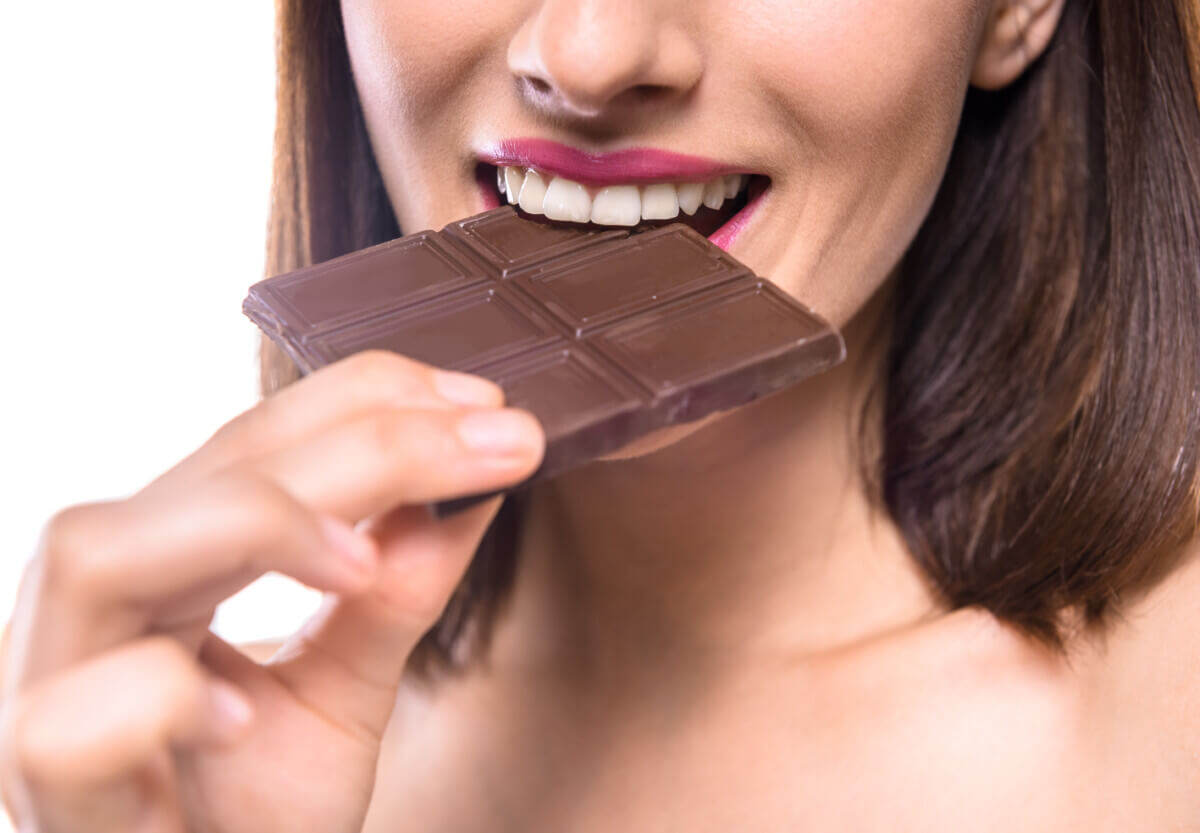
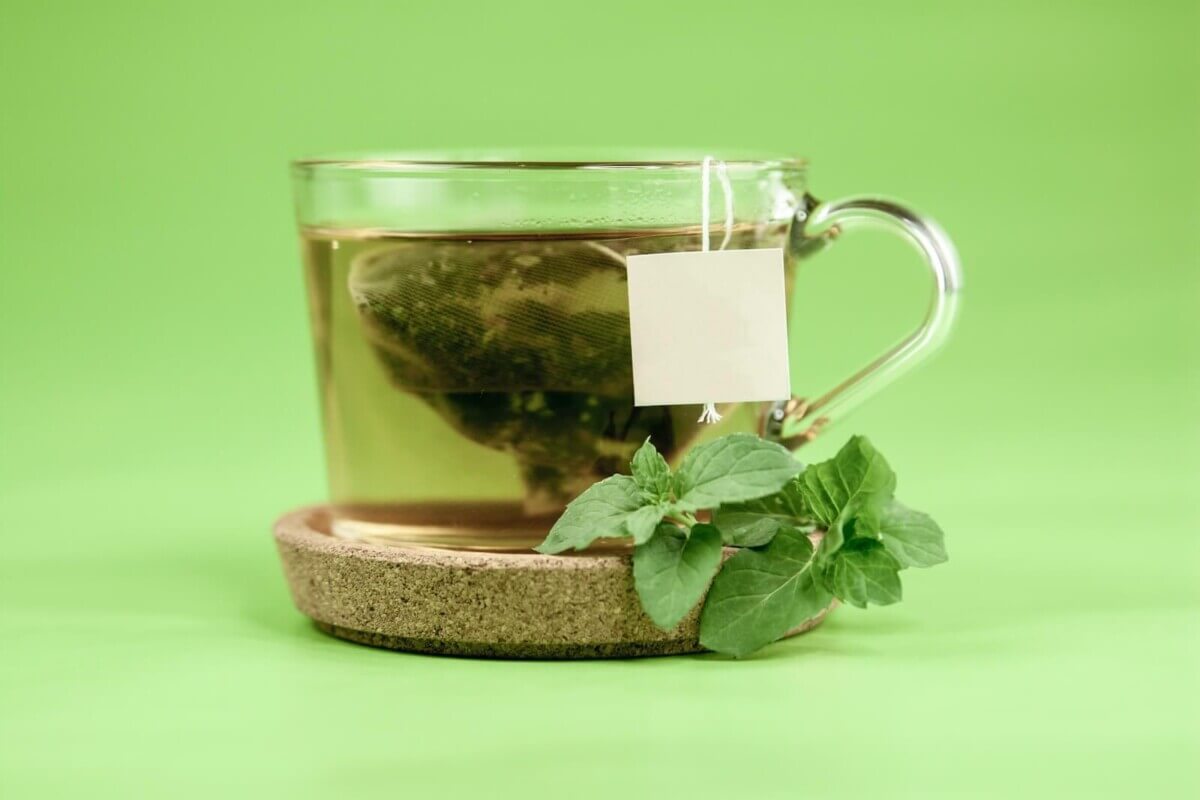
Dark chocolate and tea are examples of things you can incorporate into your diet to help lower blood pressure. (Photo by StudyFinds on Shutterstock AI Generator)
In a nutshell
- Dark chocolate, tea, apples, and grapes can significantly lower blood pressure, especially in people with hypertension, with effects comparable in size to standard medications.
- These flavan-3-ol-rich foods also improve blood vessel function, offering heart health benefits beyond just blood pressure reduction.
- Whole foods work better than supplements, and they come with minimal side effects, making them a safe, affordable addition to a heart-healthy lifestyle.
GUILDFORD, England — Instead of buying the next trendy expensive supplement or exotic superfood, a morning cup of tea could do more for your blood pressure than you realize. A new international study suggests that certain foods, like tea and dark chocolate, pack enough cardiovascular punch to rival prescription medications—at least for people who need them most.
Researchers analyzed 145 clinical trials involving over 5,000 participants and found that foods rich in compounds called flavan-3-ols can slash blood pressure by amounts comparable to many hypertension drugs. In people with high blood pressure, consuming these foods daily dropped their readings by about 6 points systolic (the top number) and 3 points diastolic (the bottom number), similar to what doctors see with standard medications.
The study, published in the European Journal of Preventive Cardiology, examined foods that most Americans already know and love: dark chocolate, tea (both green and black), apples, and grapes. Unlike studies that test isolated compounds in lab settings, this analysis looked at actual foods people can easily incorporate into their daily routines.
Blood pressure benefits weren’t the only good news. These foods also improved how well blood vessels function, measured through a test called flow-mediated dilation, which is how well arteries expand when blood flows through them. This effect occurred regardless of blood pressure changes, suggesting that flavan-3-ols might offer cardiovascular protection beyond just lowering the numbers on a monitor.
The research team combed through medical databases for studies published between 1946 and 2024. They included only randomized controlled trials, the gold standard for medical research, that tested flavan-3-ol-rich foods against placebos.
Bigger Benefits for Those Who Need It Most
The trials varied widely in design and duration, from single-dose studies measuring immediate effects to longer trials lasting up to 26 weeks. Participants ranged from healthy volunteers to people with existing cardiovascular disease, diabetes, or hypertension. This diversity actually strengthens the findings, showing that benefits appear across different populations and health conditions.
Breaking down the effective doses, the average intervention delivered 586 milligrams of total flavan-3-ols daily. Dark chocolate studies typically used about 56 grams (roughly two ounces) of chocolate with 75% cocoa content. Tea studies provided around 700 milliliters (about three cups) daily. Apple studies used about 340 grams, roughly two medium apples.
Researchers found that blood pressure benefits were most pronounced in people who needed them most. Those with normal blood pressure saw minimal changes, but people with elevated readings or diagnosed hypertension experienced significant drops. This mirrors how prescription blood pressure medications work; they’re most effective in people with higher baseline readings.
They also examined isolated compounds versus whole foods. Studies using purified epicatechin (the main flavan-3-ol in cocoa) or EGCG (common in green tea) showed weaker effects than studies using actual chocolate or tea. This suggests that the benefits come from the complex interplay of compounds in whole foods, not just single active ingredients.
Flow-mediated dilation improved by about 2% on average. This might sound small, but research has shown that every 1% improvement in this measure corresponds to a 10% reduction in cardiovascular disease risk.
Across all studies, only 0.4% of participants reported adverse effects, mostly minor stomach upset or headaches that resolved on their own. Many medications, on the other hand, often come with significant side effects.
Currently, the American Heart Association and similar organizations recommend limiting sodium, increasing physical activity, and following dietary patterns like the Mediterranean diet to manage blood pressure. Actively including specific flavan-3-ol-rich foods could be equally important, too.
Simple Addition to Heart-Healthy Lifestyle
One thing the researchers note is that food-based sources may appear safe, but high-dose supplements might interact with medications or cause liver problems. They recommend prioritizing whole foods over supplements, especially for people taking other medications.
For people with diabetes, the news was less encouraging. The analysis found no consistent blood pressure benefits in studies focusing solely on diabetic participants. People with diabetes might need different approaches or higher doses to see effects.
“While not a replacement for prescribed medications or medical advice, including more flavan-3-ol-rich foods in a daily routine could be a valuable addition to a healthy lifestyle, especially for those with higher blood pressure. These are findings that, although promising, require ongoing investigation,” says lead study author Christian Heiss from the University of Surrey, in a statement.
This isn’t the only evidence of the benefits of flavan-3-ols. The massive COSMOS trial, published in 2022, followed over 21,000 people and found that cocoa flavanol supplements reduced cardiovascular death by 27%. Combined with this new analysis showing comparable blood pressure effects to medications, the case for including these foods in heart-healthy diets becomes increasingly compelling.
A daily square of dark chocolate or cup of tea costs far less than most blood pressure medications, which can run hundreds of dollars per month. For the average person, that daily cup of tea or piece of dark chocolate might be one of the easiest and most enjoyable ways to support cardiovascular health. Just remember to choose dark chocolate with at least 75% cocoa content and count those calories as part of your overall diet. Your blood pressure, and your taste buds, will thank you.
Paper Summary
Methodology
Researchers conducted a systematic review and meta-analysis, searching PubMed for randomized controlled trials published between 1946 and 2024 that examined flavan-3-ol-rich foods’ effects on blood pressure and blood vessel function. They analyzed 109 publications containing 145 separate trials with 5,205 total participants. The studies tested various flavan-3-ol sources including cocoa products, tea, apples, grape extracts, and isolated compounds like epicatechin and EGCG. Interventions ranged from single doses to daily consumption for up to 26 weeks, with participants including healthy individuals and those with cardiovascular disease, diabetes, or hypertension.
Results
Daily consumption of flavan-3-ol-rich foods (averaging 586 mg total flavan-3-ols) significantly decreased office blood pressure by 2.8/2.0 mmHg systolic/diastolic overall, with much larger effects in people with elevated blood pressure or hypertension (5.9/2.7 mmHg). 24-hour ambulatory blood pressure monitoring showed similar patterns, dropping 3.7/2.6 mmHg overall and 6.8/5.1 mmHg in hypertensive individuals. Flow-mediated dilation improved by 2.0% after single doses and 1.7% with chronic consumption, independent of blood pressure changes. Effects were strongest with cocoa products and tea, while isolated compounds showed weaker benefits than whole foods.
Limitations
The analysis revealed considerable variability between studies that couldn’t be fully explained by investigated factors, limiting evidence strength to “moderate” quality. Many studies were relatively short-term (average 6.6 weeks), leaving questions about long-term sustainability. Not all studies reported flavan-3-ol content consistently, and measurement methods varied. Only participants with diabetes showed no significant blood pressure benefits. The analysis was limited to English-language studies from PubMed, potentially missing relevant research.
Funding and Disclosures
This research was funded by an unrestricted research grant from Lipton Teas & Infusions. Two co-authors work for food companies (Unilever and Lipton), creating potential conflicts of interest. To address this, independent academic authors validated the analyses and reviewed the manuscript. Additional funding came from British Heart Foundation fellowships for some researchers.
Publication Information
The paper, “Impact of flavan-3-ols on blood pressure and endothelial function in diverse populations: a systematic review and meta-analysis of randomized controlled trials,” was authored by Lagou, V., Greyling, A., Ferruzzi, M.G., Skene, S.S., Dubost, J., Demirkan, A., Prokopenko, I., Shlisky, J., Rodriguez-Mateos, A., & Heiss, C. It was published in the European Journal of Preventive Cardiology in March 2025.


StudyFinds is so all-encompassing!
I get science from the article, and entertainment from the comments!
Please please please don’t get cute with your writing by extolling “a morning cup of tea” high up in the article and then saying 3 cups were the researched amount later on.
Study funded by Lipton tea company. Enough said. It may still be helpful but all this no panacea compared to altering your diet. See Drs. John A. McDougall and Caldwell Esselstyn for that.
Thank you for posting.
I drink lots of tea. Resting heart rate of 63. Typical BP of 115/70. Oh, and I am 74. Good diet and exercise is the obvious reason but it shows that drinking tea does not negate the effects of healthy living.
I drink iced tea all day long. Breakfast, lunch and dinner and in between. Gotta stop with dinner or I am up all night going to the loo.
Much better choice than soda.
It would seem that the caffeine content in tea would increase blood pressure. Should I use caffeine free tea?
I’m so tired of all the BS remedies for high blood pressure. NONE of them work. PERIOD! If your high blood pressure is that easily cured, you really don’t have high blood pressure.
Please see the lifetime of work by Drs. John A. McDougall and Caldwell Esselstyn for that. Walter Kempner’s Rice Diet led the way in 1940s before BP meds ever invented.
tea for breakfast? hard pass. dinner time with lota of ice.
American’s do the strangest thing! Ice in tea for dinner?
I could never drink tea. Not my thing. And eating chocolate when you’re diabetic? Bad idea.
Your Heart rate will skyrocket, beyond comfort levels.