
(© Kimberly Boyles - stock.adobe.com)
Over-the-counter medications outperform prescription opioids for dental pain
NEWARK, N.J. — The next time a dentist suggests opioids for wisdom tooth pain, you might want to visit your medicine cabinet instead. A major study from Rutgers School of Dental Medicine has found that a simple combination of over-the-counter pain relievers not only matches but outperforms prescription opioids – a discovery that could transform dental pain management.
The large-scale study, published in the Journal of the American Dental Association (JADA), involved over 1,800 patients. Results revealed that combining two common over-the-counter medications works better than prescription opioids. Study co-investigator Dr. Janine Fredericks-Younger says that opioid overdoses kill more than 80,000 Americans each year. This is alarming considering millions of young adults receive their first opioid prescription after wisdom teeth extraction, potentially opening the door to addiction risks.
“There are studies out there to show that when young people get introduced to opioids, there’s an increased likelihood that they’re going to eventually use them again, and then it can lead to addiction,” explains Dr. Fredericks-Unger, in a statement.
Between January 2021 and June 2023, researchers tracked 1,815 adults who had their wisdom teeth removed across five clinical sites. Half received the standard opioid prescription (hydrocodone with acetaminophen), while the other half got a combination of ibuprofen (Advil) and acetaminophen (Tylenol). These medications work differently to fight pain. Ibuprofen reduces inflammation, while acetaminophen affects pain signals in the brain. During the crucial first 48 hours after surgery, when pain typically peaks, patients taking the non-opioid combination reported significantly less pain than those taking the opioid medication.

Beyond just pain control, the non-opioid group experienced better sleep quality on the first night and reported less interference with daily activities throughout recovery. They also had fewer side effects like nausea, dizziness, and drowsiness. Perhaps most telling, 85.3% of patients in the non-opioid group reported being “extremely satisfied” or “satisfied” with their pain control, compared to 78.9% in the opioid group.
Neither the patients nor their healthcare providers knew which type of medication was being given – a setup known as a “double-blind” trial that helps prevent bias. Unlike previous smaller studies with tightly controlled conditions, this trial aimed to reflect real-world medication use, following patients through their entire recovery while tracking their experiences through detailed electronic diaries twice daily.
Demographically, the study population reflected America’s diversity, with participants averaging 25.7 years old and a balanced mix of genders and ethnicities. Over 77% required complex techniques involving both cutting bone and sectioning teeth, representing typical wisdom tooth extractions.
Current dental practices contribute significantly to the opioid crisis, with dentists writing nearly 9 million opioid prescriptions in 2022 alone. Young adults receiving these prescriptions face higher risks of eventual opioid misuse compared to those who don’t get them. Unused pills often find their way into communities, fueling addiction problems.
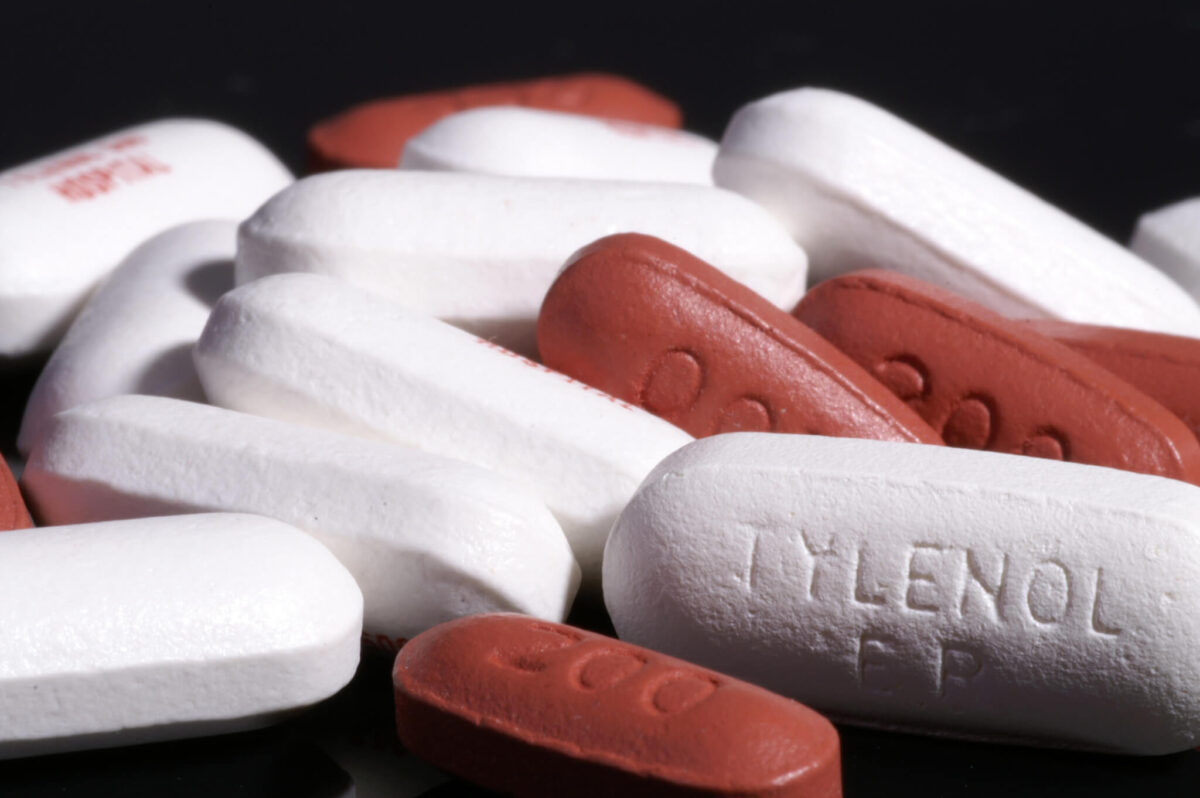
Current pain science suggests that targeting pain through multiple mechanisms, as the ibuprofen-acetaminophen combination does, can provide more effective relief than opioids’ single-mechanism approach. This may explain why the combination proved more effective in the study, as it addresses both inflammation at the surgical site and pain signaling in the nervous system.
“For a while, we’ve been talking about not needing to prescribe opioids,” says lead author Dr. Cecile Feldman, dean of Rutgers School of Dental Medicine. “This study’s results are such that there is no reason to be prescribing opioids unless you’ve got those special situations, like medical conditions preventing the use of ibuprofen or acetaminophen.”
Looking ahead, the research team plans to expand their work to other dental procedures and pain scenarios. Other researchers at Rutgers School of Dental Medicine are already testing cannabinoids for managing dental pain. These studies not only guide current dental care improvements but also influence how future dentists are trained, as the school continuously updates its curriculum based on new scientific evidence.
If over-the-counter medications can effectively replace opioids for one of the most common surgical procedures, similar approaches might work for other types of acute pain beyond dentistry. For now, the evidence is clear: When it comes to wisdom tooth pain, simpler might be better.
Paper Summary
Methodology
Researchers conducted a double-blind trial where neither patients nor providers knew which medications were being given. Participants received either 5mg hydrocodone with 300mg acetaminophen (opioid group) or 400mg ibuprofen with 500mg acetaminophen (non-opioid group). After an initial dose, patients could take medication every 4-6 hours as needed for pain. They completed electronic diaries twice daily rating their pain levels, sleep quality, and ability to perform various activities. The study followed patients from surgery through their post-operative visit 4-14 days later.
Results
The non-opioid group reported significantly less pain during the first two days post-surgery and maintained equivalent pain control throughout recovery. They needed less rescue medication (2.89% vs 6.07%) and experienced fewer adverse effects. The non-opioid group also showed better sleep quality on the first night and less interference with daily activities. Overall satisfaction was higher in the non-opioid group.
Limitations
Ethical considerations required excluding people with personal or family histories of addiction. Long-lasting local anesthetics weren’t used as they could mask treatment effects. The study also observed differences in how many pills different patients took, requiring more detailed analysis beyond the scope of this research.
Discussion and Takeaways
The study provides strong evidence that ibuprofen-acetaminophen combinations should be the first-line treatment for acute dental pain management. The findings support recommendations from various dental organizations while providing higher-quality evidence than previously available. The research suggests routine opioid prescribing after dental surgery isn’t supported by clinical evidence.
Funding and Disclosures
The research was supported by the National Institute of Dental and Craniofacial Research, National Institutes of Health. One author disclosed being CEO of Desjardins & Associates and a clinical consultant for several healthcare companies.
Publication Information
This study was published in the Journal of the American Dental Association (JADA) in January 2025. The research was conducted as the Opioid Analgesic Reduction Study randomized clinical trial, registered at ClinicalTrials.gov under number NCT04452344.


