(© MarekPhotoDesign.com - stock.adobe.com)
HomeGoods is the perfect store for aesthetic rugs, couch pillows, cute plates, and handy lunch containers. Although they aren’t the first place you probably think about when you want nutritional supplements, the chain’s selection is actually really large. But herein lies a widespread problem when it comes to retailers swerving out of their lanes and into the health product space.
As a dietitian, I peruse the supplement aisles often just to see what stores are offering, and I’m consistently shocked at how gimmicky yet low-quality the products are. Supplements are not regulated, so it’s important to know what’s worth your time and what isn’t! After my last trip to HomeGoods, here are four supplements to steer clear of and why.
Hydroade Superfood Hydration Drink Mix
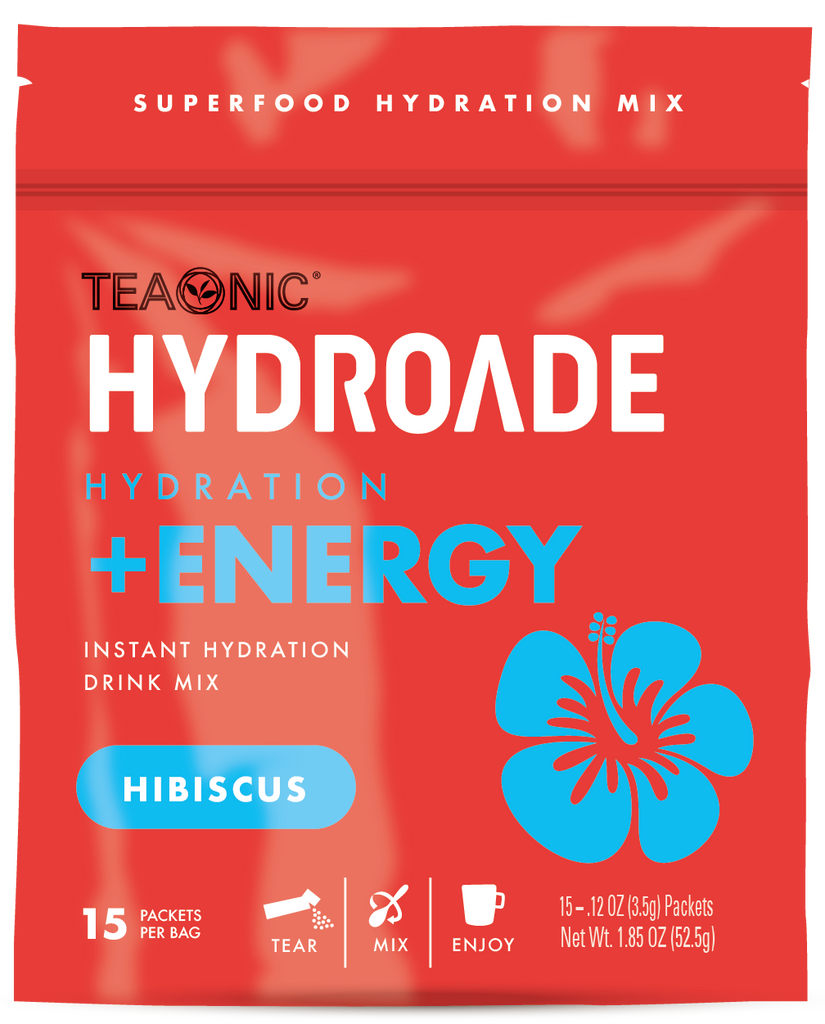
This product advertises itself as a hydrating mix, which, based on the packaging and marketing, one would assume is an electrolyte-based product. However, you should notice how the wording is careful not to explicitly say “electrolytes” and instead uses buzzwords like “superfood” and “energy.”
There are close to zero electrolytes in this product, which is what makes “hydration mixes” actually hydrating. There are 30 milligrams (mg) of potassium in this product, likely from the dash of coconut water powder, but this is less than 1% of what you need every day. There is no sodium or magnesium in it, either.
The most important electrolyte to look for in legitimate hydration mixes is sodium, as this is what is primarily lost when you’re sweating. The marketing of this specific product causes confusion and makes people think it does something more for their hydration than water. Spoiler alert: it doesn’t.
CLA weight loss by Wellum
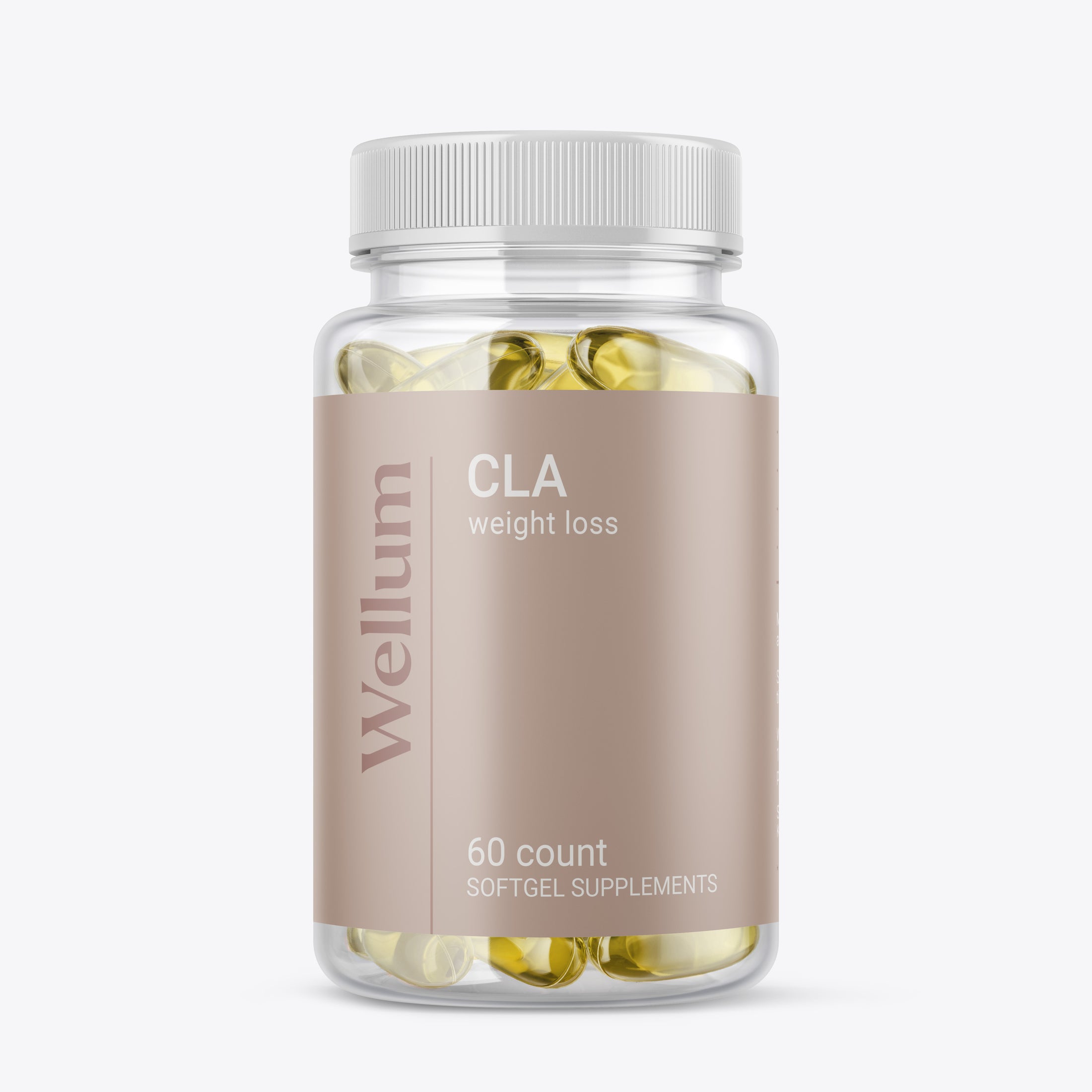
Seeing “weight loss” on a supplement is one of the most common things to attract consumers to that supplement, and companies know it. However, this pill is mostly just safflower seed oil, which is one of the most common vegetable oils used in foods today.
Typically, this oil (along with a few others) is used as a cheap option in ultra-processed foods like crackers, fried food, and baked goods. Considering most of the typical American diet includes an excess of these foods, there is no shortage of safflower oil in the American diet.
Conjugated linoleic acid (CLA), which is a natural fatty acid found in meat and dairy, is another ingredient in this supplement. Human research on CLA as it relates to weight loss is very underwhelming. Further, the idea that a supplement is the key to weight loss is a flawed way to think. Weight loss requires sustainable diet, exercise, and overall lifestyle changes, not a quick-fix pill.
Wholesome Health Magnesium Gummies

Magnesium is a great supplement that many people benefit from. Considering over 70% of Americans don’t get enough of it in their diets, it’s no wonder these supplements are so beneficial.
You can’t just take any kind, though. This specific magnesium product appears to be from a brand called “Wholesome Health.” I haven’t found a website for this brand under this name, yet the supplement appears to be sold across multiple sites. The recommended daily intake of magnesium is around 400 mg. This gummy supplement provides 70 mg for every 2 gummies and 4 grams of sugar in this serving size.
So, in order to get close to your daily magnesium goal, you would have to eat 10 of these gummies. By the time you do that, you’ll ingest 20 grams of added sugar just from these supplements. Moreover, the label reads that the magnesium is provided in the form of magnesium citrate. This specific form is best used for constipation relief and is not ideal for much else.
Although this product touts itself as being beneficial for relaxation, trips to the bathroom at night don’t really fit the bill. Be sure to look out for magnesium supplements that specifically mention the form of this nutrient being delivered on the front of the bottle. Also, opt for pills or powders rather than gummies to cut down on the excessive added sugar.
4. 360 Nutrition Women’s Balance liquid drops: pre and probiotic strains
“Hormone balance” is one of the biggest wellness buzz phrases around these days. It has helped people with no credentials or formal education earn lots of money by selling supplements that have no clinical backing, like this one.
This herbal product is aimed at women with PMS or going through menopause but doesn’t really have anything in it that will help these women. First, it lists an herbal blend with lots of different ingredients. It sounds good in theory, but you don’t know how much of anything is actually in the mix. When things are listed out without a breakdown of each ingredient, it’s called a proprietary blend. This means the supplement could have mostly one herb and just traces of the rest, and you’d never know.
This supplement also claims to have probiotics, but none of them are likely to be live. The probiotics are again listed as a proprietary blend, and the amount is provided in milligrams. Probiotics should be written on a label in colony-forming units (CFU), not milligrams. CFU tells you know many bacteria are actually viable. Don’t let buzzwords get you down!

Bottom Line
None of these supplements appear to be third-party tested. This is the first thing I recommend looking for when shopping for a supplement from any store. Even if these were third-party tested, the efficacy of these supplements likely leaves much to be desired. They include ingredients that have no notable benefit (according to current research), or they don’t include ingredients that would make their product align with their marketing. I’m sure there are a few wellness gems in HomeGoods, but these four aren’t good examples.


