
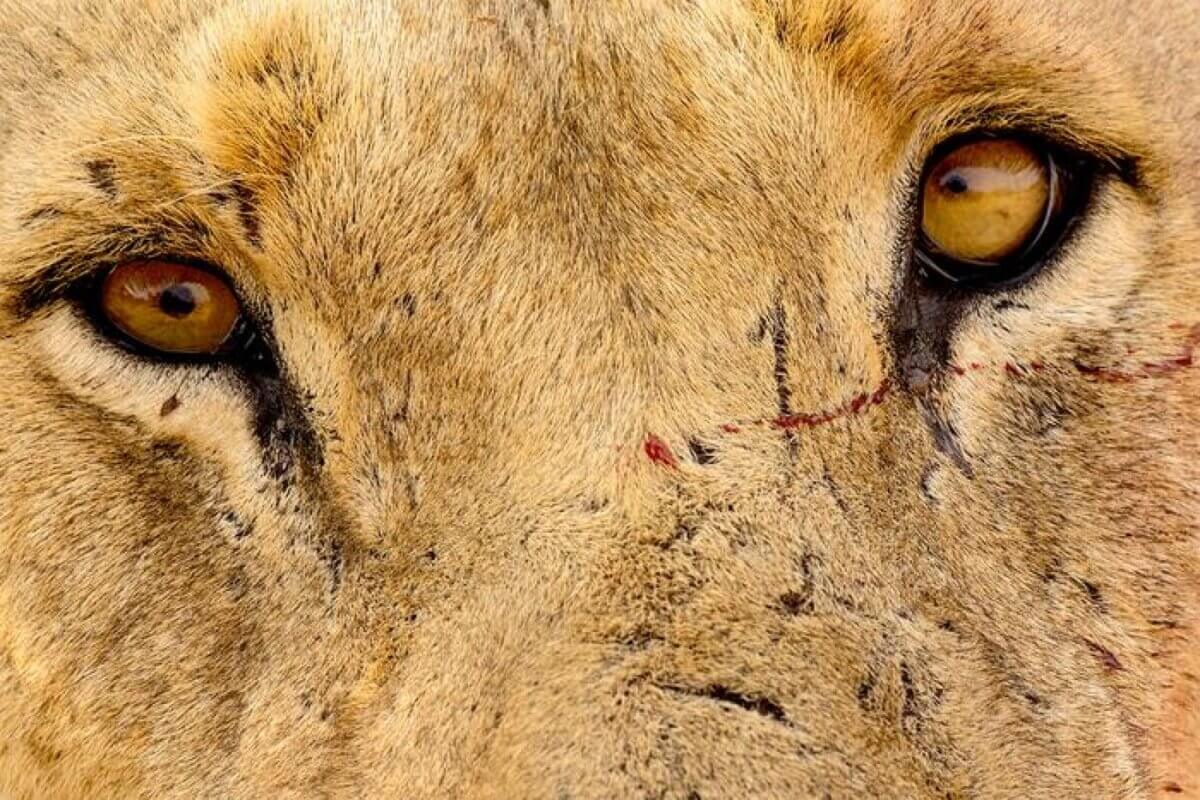
A new study analyzed hairs embedded in the damaged teeth of two “man-eater” lions that killed at least 28 people in 1898 in the Tsavo region of Kenya. (Photo copyright Michael Jeffords and Susan Post)
CHAMPAIGN, Ill. — In a tale that sounds straight out of a horror movie, two massive, maneless male lions terrorized a camp of bridge builders in Kenya over a century ago. These infamous Tsavo “man-eaters” killed at least 28 people before being shot dead by Lt. Col. John Henry Patterson in 1898. Now, thanks to some clever scientific detective work, we’re getting a glimpse into what these lions were eating — including their human victims.
The story begins in 1898 when the two lions started their reign of terror, creeping into the camp at night and dragging off their victims. After Patterson ended their rampage, he sold their remains to Chicago’s Field Museum of Natural History in 1925.
Fast forward to the early 1990s, when Thomas Gnoske, a collections manager at the Field Museum, made an intriguing discovery while examining the lions’ skulls in storage. He noticed thousands of broken and compacted hairs stuck in the cavities of the lions’ damaged teeth. This finding sparked a series of investigations that culminated in a groundbreaking study recently published in the journal Current Biology.
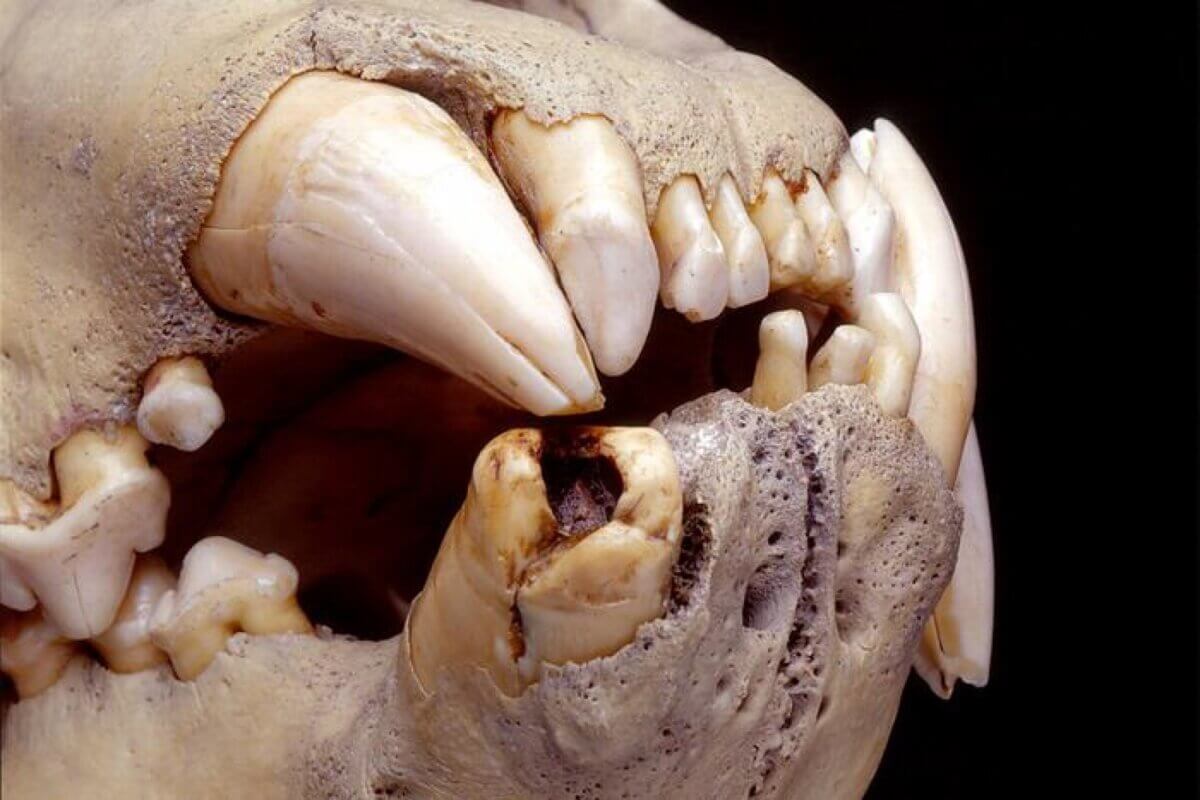
So, how do you figure out what a lion ate over a century ago? It turns out you can learn a lot from a single hair. The research team, which included scientists from the Field Museum, the University of Illinois Urbana-Champaign, the National Museums of Kenya, and the University of Nairobi, used a combination of microscopy and cutting-edge genomic techniques to analyze the hairs found in the lions’ teeth.
Alida de Flamingh, a postdoctoral researcher at the University of Illinois, led the genomic investigation. She and her team focused on mitochondrial DNA (mtDNA) from the hair fragments. mtDNA is passed down from mother to child and can be used to trace maternal lineages through time.
“To establish the authenticity of the sample we’re analyzing, we look to see whether the DNA has these patterns that are typically found in ancient DNA,” de Flamingh explains in a media release.
The team built a database of mtDNA profiles from potential prey species, and compared it with the DNA they extracted from the hairs. This allowed them to identify what the lions had been eating.
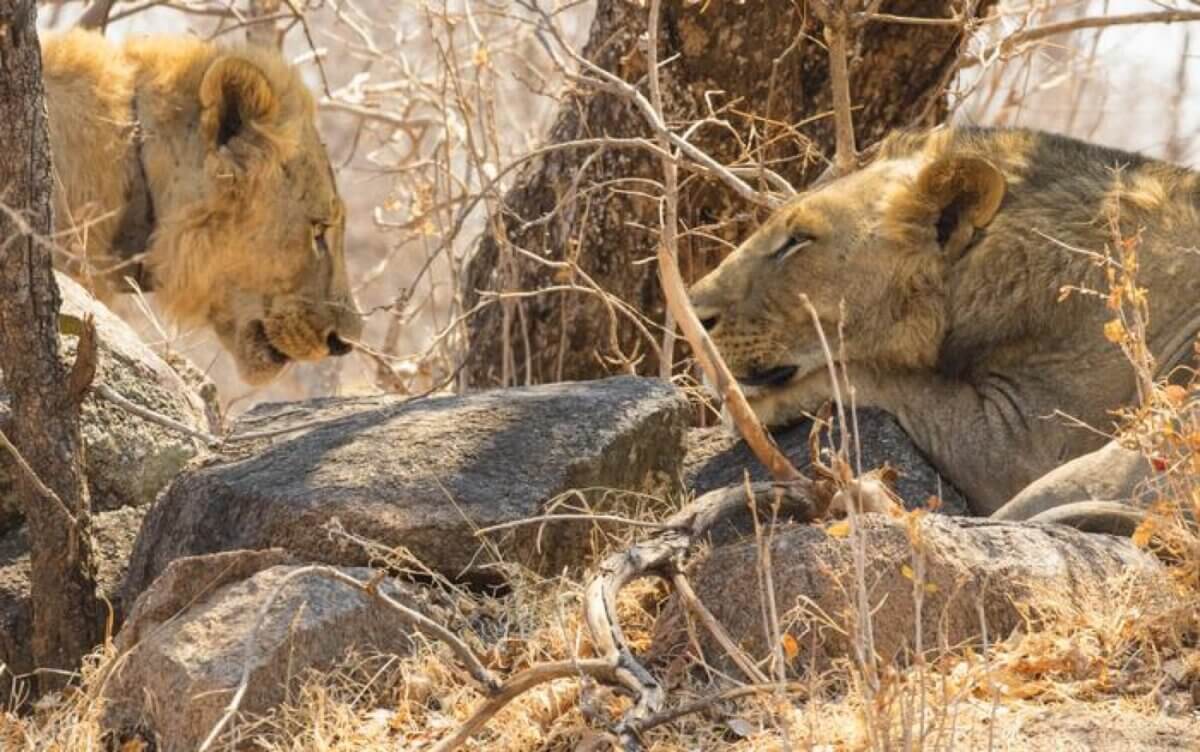
The results read like a safari menu: giraffe, oryx, waterbuck, wildebeest, zebra, and yes, human. The presence of human DNA confirms the lions’ man-eating reputation, though the researchers are treating this information with sensitivity, noting that there may be descendants of the victims still living in the region today.
Some findings were unexpected. For instance, the team found DNA from wildebeest, even though the nearest wildebeest population was about 50 miles away at the time. This suggests the lions may have roamed farther than previously thought.
Interestingly, there was almost no trace of buffalo DNA, which is surprising given that buffalo is a preferred prey of lions in Tsavo today.
“Colonel Patterson kept a handwritten field journal during his time at Tsavo. But he never recorded seeing buffalo or indigenous cattle in his journal,” notes Julian Kerbis Peterhans, a professor at Roosevelt University and adjunct curator at the Field Museum.
The reason? A devastating cattle plague called rinderpest had swept through the region in the 1880s, wiping out most of the buffalo population.
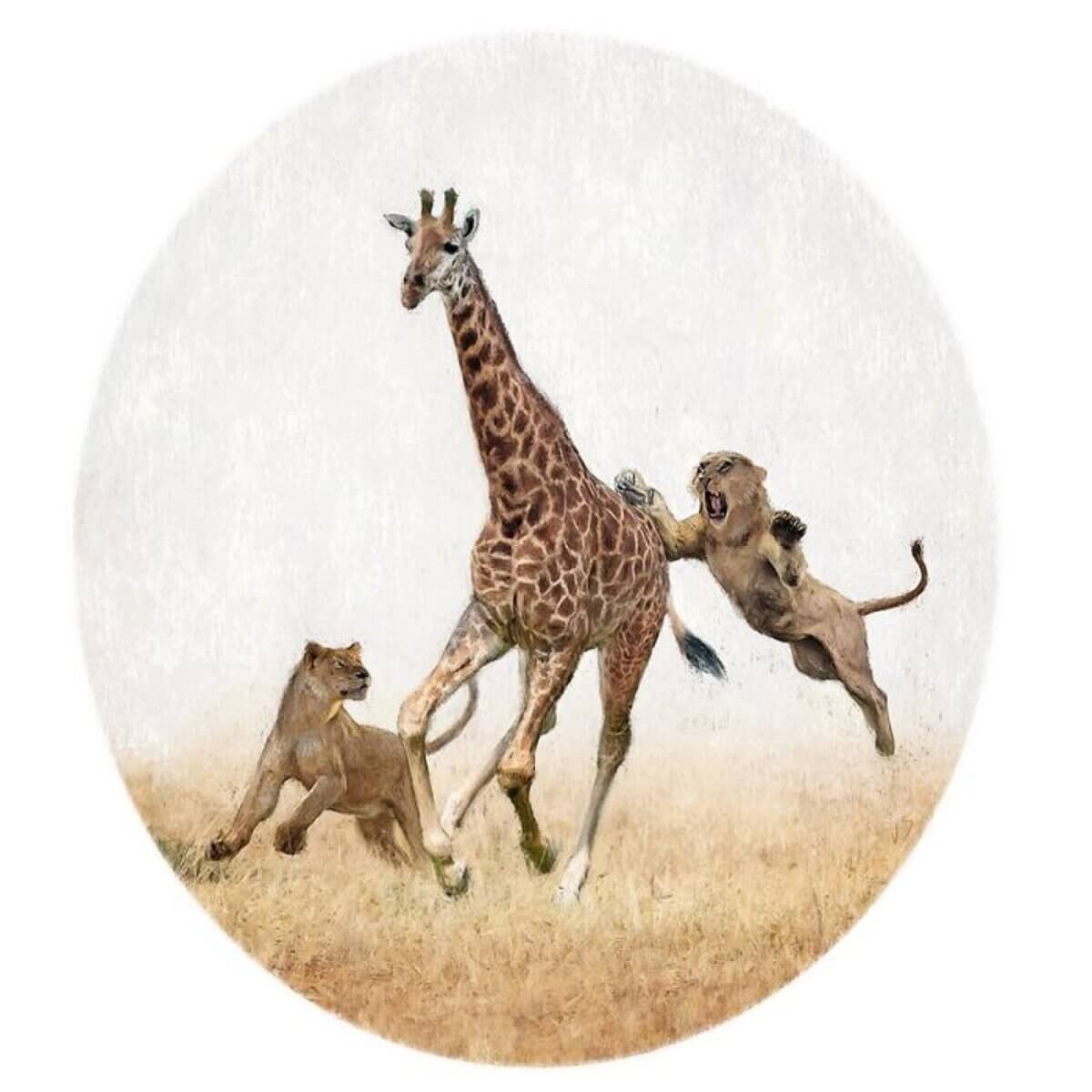
The DNA analysis also shed light on the lions themselves. The two man-eaters shared the same maternal DNA, supporting the theory that they were brothers. Their DNA was also consistent with an origin in Kenya or Tanzania.
This study is more than just a fascinating look at two infamous lions. It demonstrates how advanced DNA techniques can help us peek into the past.
“Now we know that we can reconstruct complete mitochondrial genomes from single hair fragments from lions that are more than 100 years old,” de Flamingh said.
With thousands of hairs embedded in the lions’ teeth, further analysis could potentially reconstruct the lions’ diet over time and maybe even pinpoint when they started preying on humans.
This research, supported by the National Science Foundation and U.S. Department of Agriculture, opens up new possibilities for studying ancient specimens. It’s a reminder that even after more than a century, there are still new things to learn from old bones – or in this case, old teeth.
So, the next time you visit a natural history museum, remember: those dusty old specimens might be hiding secrets just waiting to be uncovered by the latest scientific techniques. Who knows what other mysteries from the past we might solve in the future?
Paper Summary
Methodology
The researchers analyzed hair found in the broken teeth of two lions, known as the “Tsavo man-eaters,” which lived in Kenya in the 1890s. Using DNA extraction techniques, they were able to sequence the DNA from the hair compacted in the lions’ teeth. The researchers then compared this DNA to a database of potential prey species. Through this process, they identified several animals the lions had eaten, including giraffes, humans, oryx, waterbucks, wildebeests, and zebras. This method of analyzing ancient DNA from hair is similar to techniques used in forensic science and wildlife studies, allowing scientists to study the lions’ diet long after their deaths.
Key Results
The study revealed that the lions had eaten a variety of animals, including giraffes, zebras, and even humans. DNA from the hair matched six main prey species: giraffe, human, oryx, waterbuck, wildebeest, and zebra. The researchers also found some lion hair in the teeth, which could mean the lions either groomed themselves or each other. Interestingly, the study showed that the lions likely traveled long distances to find food, and they had consumed at least two giraffes, showing that they hunted larger prey as well.
Study Limitations
One limitation of the study is that the researchers could not analyze all the DNA from every species that the lions might have eaten because the hair samples were degraded. Additionally, while they identified several prey species, there were some species, like buffalo, that were not found in the DNA, possibly due to changes in the local ecosystem at the time. Another limitation is that the study relied on historical records and known species ranges from over a century ago, which may not fully represent the environment at that time.
Discussion & Takeaways
This study sheds light on the hunting habits of the famous Tsavo lions, who were once feared for attacking humans. It shows that the lions primarily hunted wild animals, but they also preyed on humans during a time when human-wildlife conflicts were high. The research offers insights into how lions adapt their diets when prey availability changes due to factors like injury or changes in the environment. The techniques used in this study could be applied to other ancient animals to better understand predator-prey dynamics from the past.
Funding & Disclosures
This research was supported by the U.S. Department of Agriculture, USAID, and the University of Illinois Urbana-Champaign. The authors have declared no competing interests in this study.


