(Credit: Barone Romano/Shutterstock)
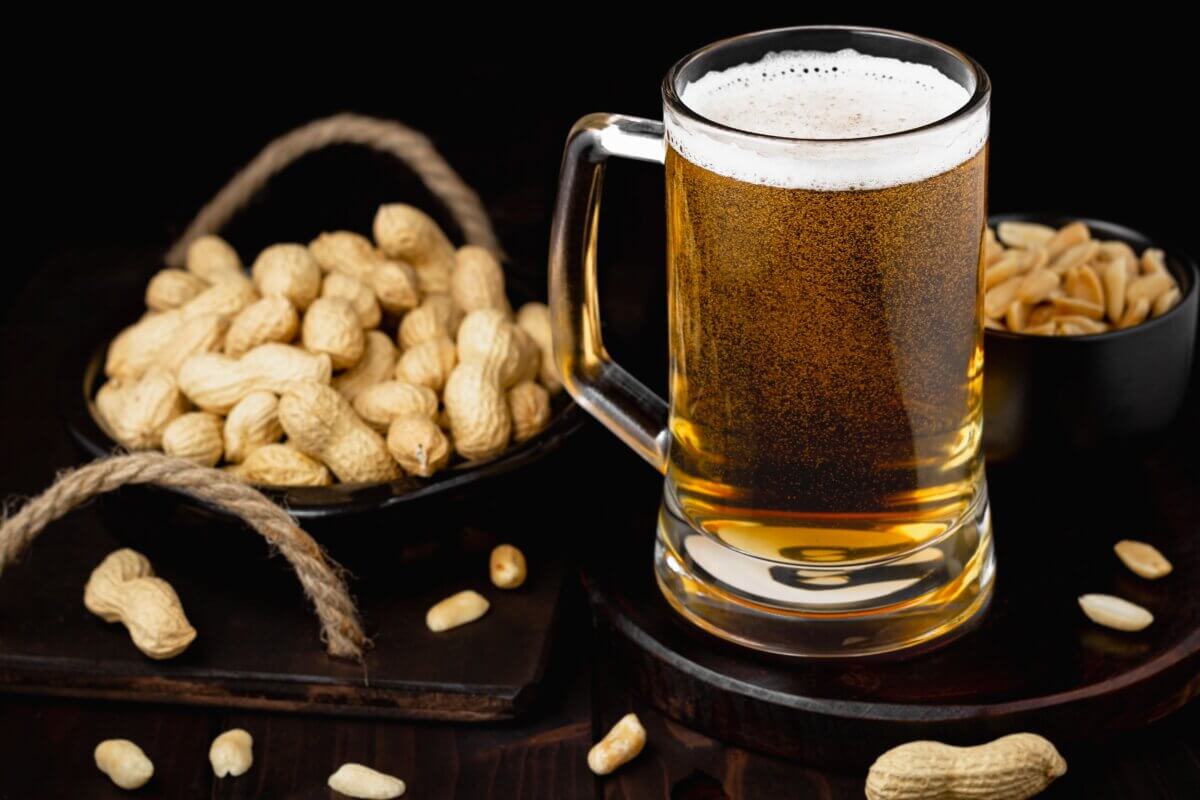
MONTREAL, Quebec — That evening cocktail might be even more dangerous than drinkers bargained for — if they suffer from food allergies. A concerning new study has uncovered an alarming link between alcohol and severe allergic reactions to nuts, making holiday parties a potential minefield for health scares.
The discovery comes as part of the largest-ever Canadian investigation into life-threatening allergic reactions, offering crucial insights that could revolutionize emergency care for the millions who live with severe allergies.
“For doctors, spotting patterns could mean faster, life-saving treatment in emergencies. For people with allergies, understanding the role of alcohol and other triggers can help them make safer choices,” says lead author Roy Khalaf, a fourth-year medical student at McGill University’s Faculty of Medicine and Health Sciences, in a media release.
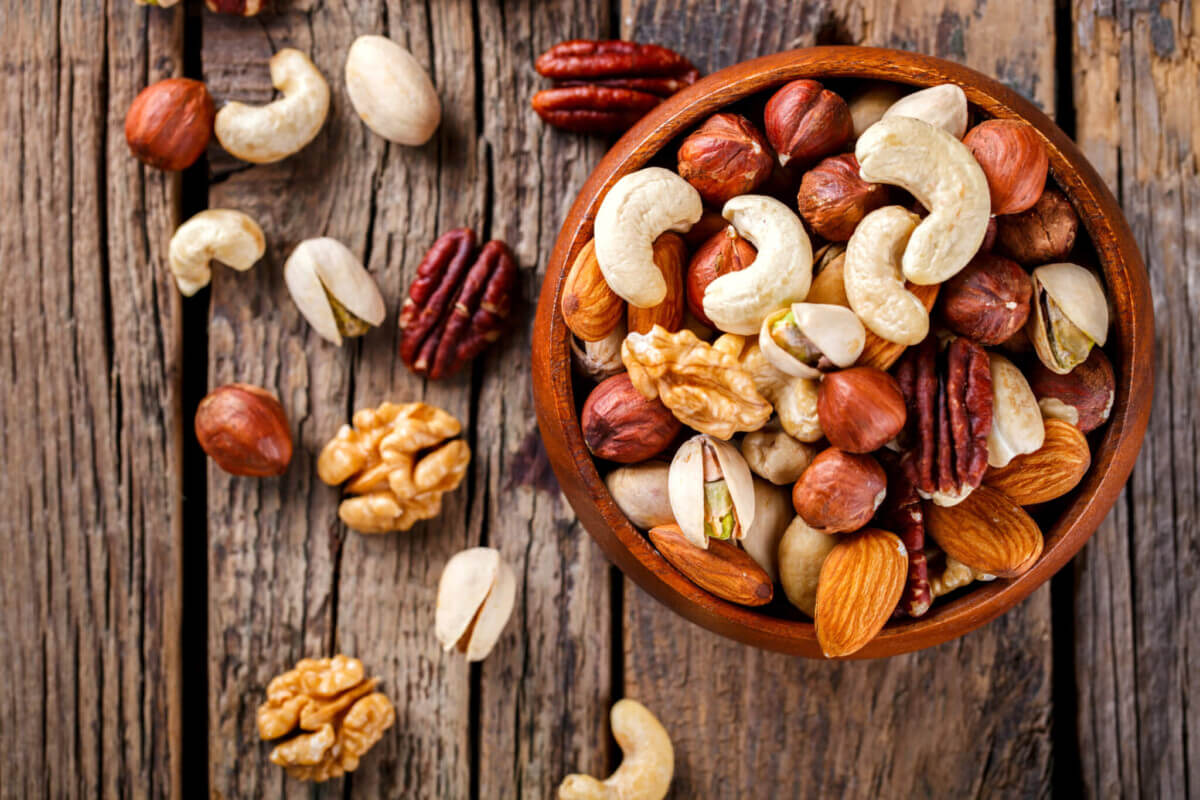
The study published in the International Archives of Allergy and Immunology, which tracked over 1,100 emergency cases across Canada over a decade, challenges previous assumptions about what causes severe allergic reactions, known as anaphylaxis, and how they manifest. While earlier research suggested medications were the primary trigger in adults, this study found that food allergies — particularly nuts — were the main culprit, responsible for over half of all cases.
Perhaps most striking was the discovery that alcohol consumption was linked to more severe reactions in people with nut allergies. This finding raises particular concerns about nut-flavored alcoholic beverages, which might expose unsuspecting consumers to trace amounts of allergens. Even artificial flavorings could pose risks, the researchers warn.
The team also identified distinct “fingerprints” for different types of allergic triggers. People experiencing reactions to tree nuts frequently reported throat tightness, while those stung by insects were more likely to develop dangerous drops in blood pressure. These patterns could help emergency room doctors diagnose and treat reactions more quickly — critical when minutes can mean the difference between life and death.
“With the holiday season’s abundance of nut-based treats and specialty beverages, the risk of accidental exposure to allergens requires careful attention,” Khalaf notes, adding that the findings could have implications for food and beverage labeling practices.
The study included adults of various ages, with an average age of 35.5. Among food triggers, peanuts (13.5%), shellfish (10.2%), and tree nuts (8.7%) were the most common culprits. Medications caused about 20% of reactions, with antibiotics being the most frequent trigger in this category.
The research also revealed important patterns in how these reactions were treated. Patients with peanut allergies were more likely to have emergency epinephrine auto-injectors (like EpiPens) available for use outside the hospital, possibly reflecting greater awareness about peanut allergy risks. Meanwhile, those experiencing tree nut reactions were more likely to receive epinephrine in the hospital setting.
Paper Summary
Methodology
The researchers collected data from emergency departments and medical services across three Canadian provinces between 2011 and 2023. They identified cases through both real-time reporting and review of medical records. To qualify as anaphylaxis, patients had to show reactions in at least two body systems (such as skin and breathing) or have low blood pressure after exposure to a known allergen. The team analyzed various factors, including patient demographics, trigger types, symptoms, and treatments used.
Key Results
The study found that out of 1,135 cases, about 54% were triggered by food, 20% by drugs, and 6% by insect stings. Notably, 19% of reactions were classified as severe, with drug-induced and venom-induced reactions more likely to be severe. The research also revealed that different triggers tend to cause different patterns of symptoms, which could help doctors identify the cause more quickly in emergency situations.
Study Limitations
The study mainly captured data from emergency departments, meaning it likely missed milder cases where people didn’t seek emergency care. Additionally, since some data was collected retrospectively through chart review, certain details might have been missed or incompletely recorded.
Discussion & Takeaways
The findings challenge previous research suggesting that drugs are the main cause of adult anaphylaxis. The strong association between certain triggers and specific symptoms could help emergency physicians diagnose anaphylaxis more quickly. The study also highlights the importance of being aware of factors that can make reactions worse, such as the combination of alcohol and nuts.
Funding & Disclosures
The researchers declared no conflicts of interest, and the study was conducted independently without external funding sources. The research was approved by multiple ethics boards across Canada, including the McGill Ethics Board and the Health Ethics Research Board of Alberta.


