
(Credit: Drazen Zigic/Shutterstock)
It’s the time of year for workplace Christmas parties and gatherings with family and friends. Maybe you’ll drink a lot in one go.
Then you feel your heart beating fast or irregularly. Maybe there’s a flutter in your chest or neck. Maybe you feel dizzy or short of breath. You may feel so concerned you go to the emergency department.
After a few tests, you’re told you have “alcohol-induced atrial arrhythmia”. In plain English, that’s an irregular heartbeat brought on by excessive or binge drinking.
The condition is common at this time of year. That’s why it’s also called “holiday heart.”
What is holiday heart?
Every festive season, emergency departments see more people with alcohol-related issues and irregular heart rhythms.
People often present with a fast or irregular heartbeats associated with binge drinking, overeating, dehydration, and increased stress over the silly season – all contributing factors.
We’ve known about holiday heart (or holiday heart syndrome) for almost 50 years. Back in the 1970s, it was described as an abnormal heart rhythm (or arrhythmia) in healthy people without heart disease after binge drinking alcohol. Doctors often saw this after weekends and public holidays, including the festive season.
But an abnormal heart rhythm related to alcohol isn’t limited to the holidays and weekends. We also see it in people who binge drink at any time of year or in people who drink heavily over many years.
What causes it? How is it diagnosed?
Alcohol affects your heart, blood vessels, blood, and nervous system in many ways.
For instance, when alcohol disrupts your nervous system, it can lead to dehydration and inflammation. In turn, this can cause disruption to the heart’s electrical system, which can lead to an irregular heartbeat.
People may go to hospital with heart flutters, chest pain, fainting or passing out (syncope), and shortness of breath (dyspnea). But an irregular heartbeat can also occur without symptoms, and may only be discovered when investigating other health issues.
If you have symptoms, go to your emergency department or GP. Health professionals will likely run some tests to diagnose heart-related rhythm problems.
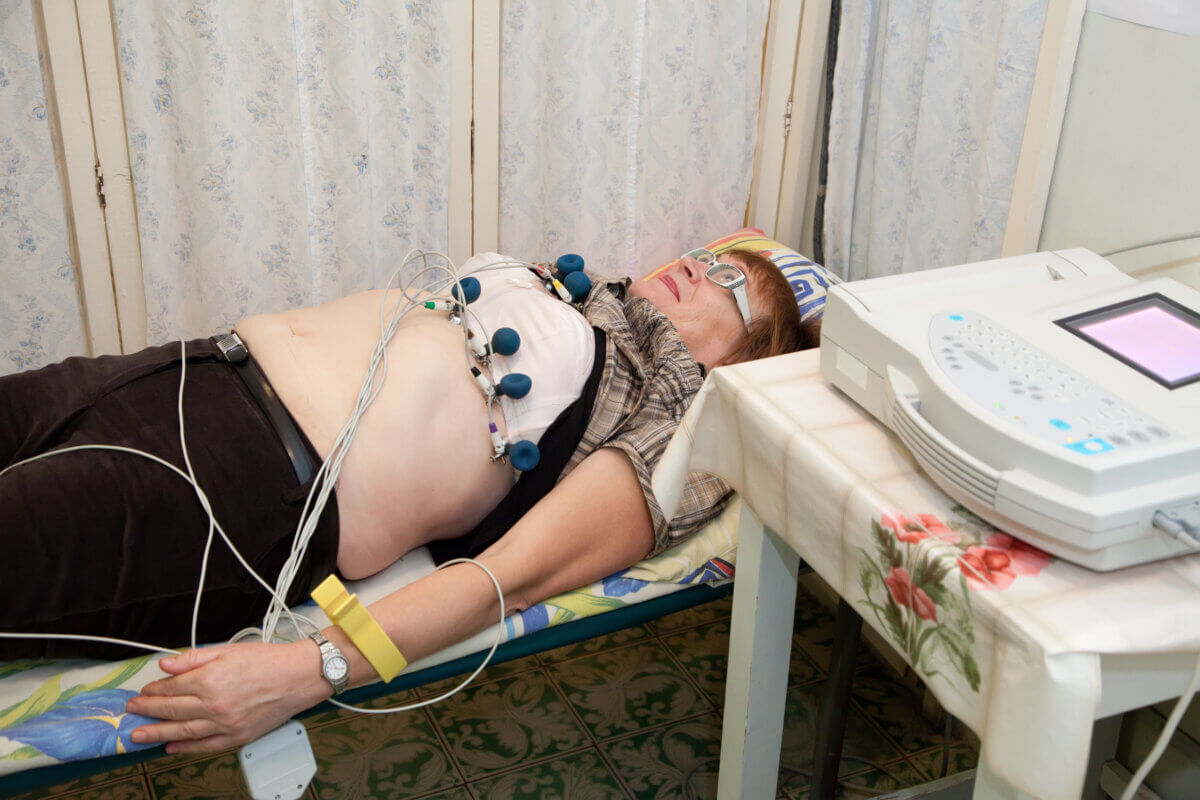
These include monitoring the heart’s rhythm using an ECG or electrocardiogram. This simple and non-invasive test involves attaching some electrodes to your chest, arms and legs to produce a graph of electrical signals from the heart. Clinicians are often interested in the “p wave,” which represents the electrical activation of the upper chambers of the heart.
You may also have a blood test to look at your electrolyte levels (essential minerals in your blood). A blood test may also test for markers of clotting and inflammation, as well as kidney and liver function.
Why are we concerned about it?
The vast majority of people diagnosed with holiday heart will recover, especially if treated early or if they stop or limit drinking alcohol.
However, some people will be diagnosed with atrial fibrillation – the most common heart rhythm disorder in Australian adults, affecting 1.4-5.5% of the population.
If so, this may require medicines to restore a regular heartbeat (known as cardioversion), electrical cardioversion (using a defibrillator to apply an electric shock to the heart), or a procedure called cardiac ablation.
If atrial fibrillation is left untreated, there’s an increased risk of blood clots, stroke, and a heart attack.
How can you prevent it?
There is no definitive number of drinks known to trigger holiday heart. So our best advice to prevent it is to avoid binge drinking. Australian guidelines recommend women and men limit alcohol to no more than ten standard drinks a week and no more than four standard drinks on any one day.
We’d also recommend drinking water between alcoholic drinks. This can help reduce the dehydrating effects of alcohol and reduce the risk of alcohol-induced heart rhythm complications.
Then do your best to reduce stress, keep up with exercise and eat a diet that’s good for your heart – all general advice for looking after your heart, whether or not you’re drinking alcohol.
Taking these steps will help reduce your risk of holiday heart and keep your heart healthy this festive season.
Caleb Ferguson is a professor of Nursing and Director of Health Innovations at the University of Wollongong, and Sabine Allida is a research fellow (Implementation Science) at the University of Wollongong.
This article is republished from The Conversation under a Creative Commons license. Read the original article.


