
What are PFAS and where can you find them? (Francesco Scatena/Shutterstock)
Age of exposure appears crucial: PFA contact among adolescents is linked to fatty liver disease, but not among young adults.
In A Nutshell
- Forever chemicals linked to teen liver disease: Researchers found that teenagers with higher levels of PFAS chemicals in their blood had significantly higher odds of developing fatty liver disease, with one chemical showing a 169% increase in risk.
- Age matters for chemical exposure: The same PFAS chemicals that were associated with liver problems in teenagers showed no connection to liver disease in young adults, suggesting adolescence may be a particularly vulnerable time.
- Hidden liver damage detected: Scientists used advanced MRI scans to measure liver fat directly, revealing early-stage fatty liver disease that often has no obvious symptoms in young people.
- More research needed: While the study shows a strong association, researchers emphasize that larger studies are needed to prove these chemicals directly cause liver disease and to understand how the findings apply to the general teen population.
From the nonstick pan used to scramble morning eggs to the waterproof backpack carried to school, synthetic chemicals known as PFAS have woven themselves into the fabric of nearly every facet of modern life. These “forever chemicals” resist breaking down in the environment and in our bodies. Now, research suggests they may be associated with increased odds of fatty liver disease during adolescence.
Researchers studying 284 young people found that for every doubling of PFOA exposure, teenagers showed 169% higher odds of developing fatty liver disease. The study used gold-standard medical imaging to detect associations between these chemicals and liver problems in adolescents.
The study, published in Environmental Research, followed the adolescent cohort for up to six years while the young adult findings came from a single visit, showing that the same chemicals that were associated with liver disease in teenagers were not associated with liver disease in young adults. This age-specific pattern suggests that exposure during adolescence (when the liver is still developing) may have different associations with liver disease risk than exposure later in life.
“Higher plasma levels of specific PFAS, especially PFOA and PFHpA, were linked to increased risk of fatty liver disease in adolescents,” the researchers concluded, highlighting two chemicals measured in the study.
The Study: Gold-Standard Imaging Reveals Hidden Liver Damage
The research drew from two carefully designed studies: the SOLAR cohort, which followed Hispanic and Latino adolescents at high risk for diabetes, and the Meta-AIR study, which examined overweight and obese young adults. The study used MRI scans to measure liver fat directly.
Using liquid chromatography high-resolution mass spectrometry, researchers measured eight different PFAS chemicals in participants’ blood with exceptional precision. They then used specialized MRI techniques to calculate the exact percentage of fat in each person’s liver, a measurement accurate enough to detect the earliest signs of fatty liver disease.
The results were striking. For every doubling of PFOA concentration in the blood, adolescents showed 169% higher odds of having fatty liver disease. Another chemical, PFHpA, carried a 73% increase in odds per doubling of exposure. These associations indicated differences in disease risk with changes in chemical exposure.
The longitudinal design proved crucial. By following the same teenagers over an average of six years, researchers could track how liver disease developed as participants aged, rather than simply comparing different groups at a single moment in time. This approach allowed researchers to observe how liver disease developed as participants aged.
Age Matters: Why Teenagers May Be Most Vulnerable
In young adults aged 17 to 23, researchers found no significant associations between PFAS exposure and liver disease using the same methods.
This age-dependent pattern suggests that adolescence may be a period of increased susceptibility. The researchers observed that older adolescents showed stronger associations than younger ones.
PFAS are known to accumulate in tissues over time, and adolescence is a period when metabolic pathways are still being established.
Animal studies referenced in the research suggest that PFAS chemicals may interfere with nuclear receptors involved in liver fat storage and metabolism.
The study found that males showed stronger age-related associations than females.
The Bigger Picture: PFAS and Growing Health Concerns
Fatty liver disease has been reported in children and adolescents, including those with normal weight as well as those with obesity.
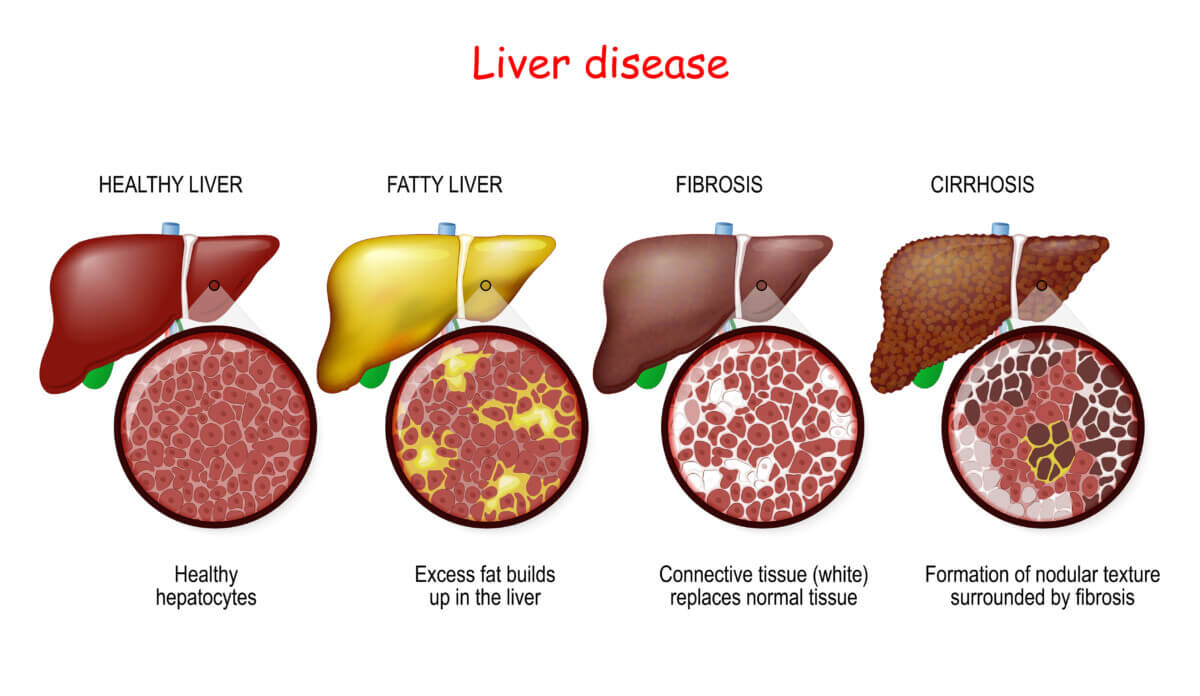
The disease begins silently, with fat accumulating in liver cells without obvious symptoms. Over time, this can progress to inflammation, scarring, and in severe cases, liver failure requiring transplantation. Because the condition rarely causes symptoms in its early stages, many young people remain undiagnosed until routine blood tests reveal elevated liver enzymes.
PFAS exposure can occur through multiple pathways, and these chemicals can persist in the body for years, with half-lives measured in months or even decades depending on the specific chemical.
The study focused on participants already at elevated risk—Hispanic and Latino teenagers with higher body weights and young adults who were overweight or obese. This population selection was deliberate, as these groups have higher baseline risks for fatty liver disease.
However, this design also limits how broadly the findings apply. The 169% increased odds observed in this high-risk population might not translate directly to teenagers in the general population, who may have different baseline risks and exposure patterns.
What This Means: Limitations and Next Steps
The researchers were careful to note that their findings represent associations, not proof of causation. Observational studies like this one can identify patterns and correlations, but they cannot definitively establish that PFAS exposure directly causes fatty liver disease. Other unmeasured factors could potentially explain the relationships observed.
The study’s modest sample size, 162 adolescents in the pooled analysis, also limited statistical power for detecting subtle effects or precisely estimating interaction effects. Larger studies will be needed to confirm these findings and determine how they apply to more diverse populations.
The single measurement of PFAS exposure presents another limitation. Because these chemicals can vary in concentration over time, a snapshot measurement may not accurately reflect long-term exposure patterns that could be more relevant to disease development.
Previous studies have associated PFAS with decreased immune function, increased cholesterol levels, and reduced vaccine effectiveness. Now, the use of MRI imaging to diagnose fatty liver disease provides a direct measurement of liver fat.
Looking ahead, researchers called for larger prospective studies with repeated PFAS measurements to better understand how exposure patterns during different developmental periods influence long-term health outcomes. They also suggested investigating whether genetic factors that affect liver metabolism might modify individual susceptibility to PFAS-related liver damage. Regulatory agencies, meanwhile, have proposed or implemented measures to address PFAS contamination.
The research suggests that these chemicals may pose risks during certain periods of human development. While the full implications remain to be determined, the study indicates further research is needed to understand the relationship between PFAS exposure and liver disease risk in adolescents.
The researchers concluded that their findings “support that PFAS may increase the risk of fatty liver disease in youth, with age, genetics, and smoking modifying susceptibility.” As the scientific understanding of these chemicals continues to evolve, this age-dependent vulnerability represents a crucial consideration for both researchers and policymakers working to protect public health.
Disclaimer: Content is for informational purposes only and does not constitute medical advice. Always seek the advice of a physician or other qualified health provider with any questions you may have regarding a medical condition.
Paper Notes
Limitations
The study acknowledges several limitations, primarily that modest sample sizes restricted statistical power for detecting subtle associations and reduced the precision of interaction estimates. Additionally, the cross-sectional design of the Meta-AIR cohort prevents causal inference, and the reliance on a single PFAS measurement per participant limits the ability to capture temporal exposure variability.
Funding And Disclosures
This research was supported by NIH NIEHS grants, including P42ES036506 and R01DK59211. Regarding competing interests, authors Dr. Chatzi and Dr. Ducatman disclose consulting for PFAS litigation.
Publication Details
“Associations between per- and polyfluoroalkyl substances and metabolic dysfunction-associated steatotic liver disease in adolescents and young adults: modifying roles of age, lifestyle factors, and PNPLA3 genotype.” Environmental Research, November 2025. DOI: 10.1016/j.envres.2025.123320. The study utilized data from the SOLAR adolescent cohort (recruited 2001–2012) and the Meta-AIR young adult cohort (recruited 2014–2018), covering a total of 284 participants in the United States.


