
Will eye drops be replaced by living bacteria in the future? (© Dragana Gordic - stock.adobe.com)
SEOUL, South Korea — Korean scientists have developed a revolutionary eye drop treatment for dry age-related macular degeneration (AMD), potentially eliminating the need for regular eye injections that millions of elderly patients currently endure.
The research team at Korea Institute of Science and Technology (KIST) created a peptide-based medication that matches the effectiveness of existing injectable treatments while offering a painless alternative. Their findings address a condition affecting most AMD patients — 90% have the “dry” form of the disease, which can progress to severe vision loss.
The team, led by Dr. Moon-Hyeong Seo, screened over 190,000 peptide candidates to find molecules that could target specific inflammatory proteins called Toll-like receptors (TLRs). These proteins play a key role in AMD’s development. Think of TLRs as cellular security guards that sometimes overreact, causing inflammation that damages the retina — the light-sensitive tissue at the back of the eye.
In mouse trials, the eye drops proved remarkably effective. Animals with induced dry AMD showed significant protection of their retinal cells when treated with the peptide drops, with results comparable to healthy mice. This suggests the medication could successfully reach the retina — a notorious challenge for eye drop treatments.
“The KIST Natural Product Drug Development Center, established in September to focus on mission-driven research, aims to develop global drugs targeting aging-related diseases, including cancer and ophthalmic conditions,” says Dr. Seo in a media release.
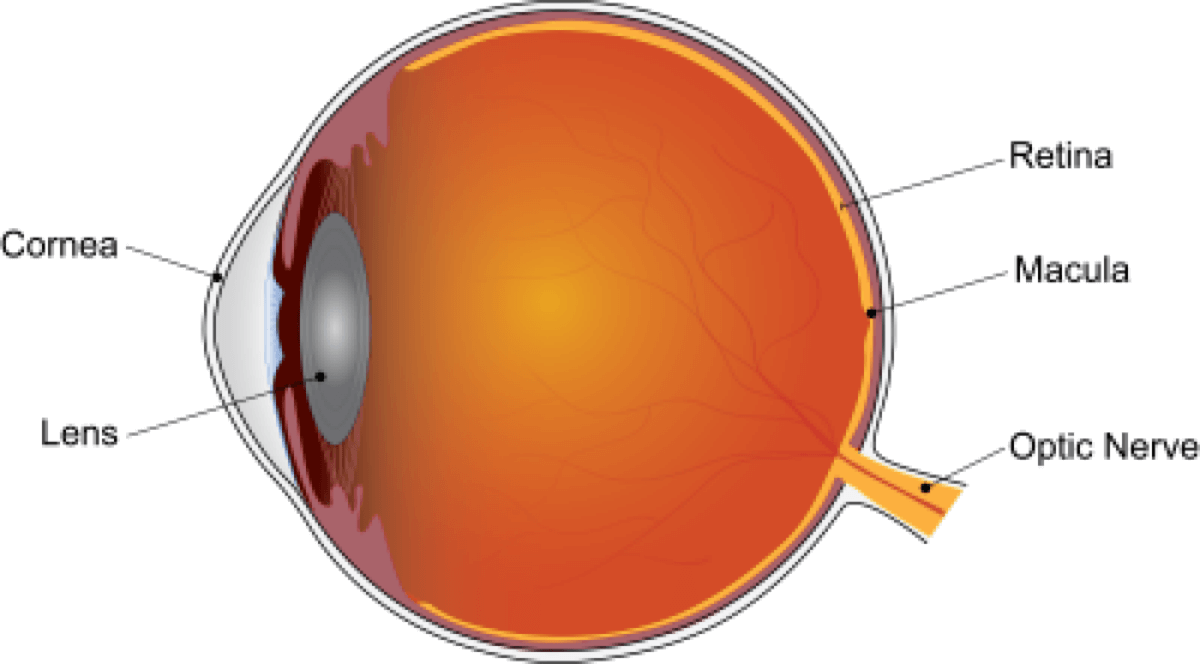
The team, which published their findings in the journal Advanced Science, plans to pursue global clinical trials through partnerships with pharmaceutical companies.
For patients, this development could mean freedom from regular needle injections into the eye — currently the only FDA-approved treatment option. Beyond reducing discomfort and potential complications, the eye drops would likely improve treatment adherence and cut medical costs.
While human trials are still necessary to confirm the treatment’s effectiveness, this research marks a significant step toward more patient-friendly AMD care. The team’s innovative screening method could also lead to discoveries for other inflammatory diseases.
Paper Summary
Methodology
Researchers developed a sophisticated method to explore how certain proteins in our immune system, known as Toll-like receptors (TLRs), can be controlled. TLRs play a crucial role in managing our body’s defense mechanisms, but when overly active, they can lead to inflammation and disease. The team created a vast library of small protein segments, derived from parts of the immune system that interact with TLRs, to identify which could effectively inhibit these receptors. This approach allowed them to systematically test a multitude of potential inhibitors to find those that could best dampen unwanted immune responses.
Key Results
The study identified multiple protein segments that successfully interfered with TLR functions, curbing the inflammatory response. This was demonstrated through lab tests on cells and further confirmed in animal models, including mice, which showed reduced symptoms in conditions like sepsis and age-related macular degeneration (AMD). Notably, these protein segments could block several types of TLRs, suggesting they could be versatile tools in treating various inflammatory conditions.
Study Limitations
The screening was limited to certain TIR domains, potentially overlooking other relevant interactions. While the peptides showed efficacy in mouse models, their performance in human clinical settings remains to be tested. The long-term effects and safety of these peptides are not fully understood and require further investigation.
Discussion & Takeaways
This research opens up new pathways for developing treatments for diseases that stem from chronic inflammation, such as AMD. By targeting the early stages of inflammation at the molecular level, it’s possible to devise therapies that are both effective and have fewer side effects compared to current treatments. The ability of these protein segments to work across different types of TLRs also highlights their potential as broad-spectrum anti-inflammatory agents, which could revolutionize how we manage diseases linked to immune system overactivity.
Funding & Disclosures
The research was conducted by scientists from the Korea Institute of Science and Technology, Yonsei University, and other institutions. The study was published under an open access license, allowing free distribution and reproduction of the work. The authors declared no specific financial support for this study, and there were no conflicts of interest noted.


It would be nice if there was an eye drop for the WET AMD instead of the injections also.