
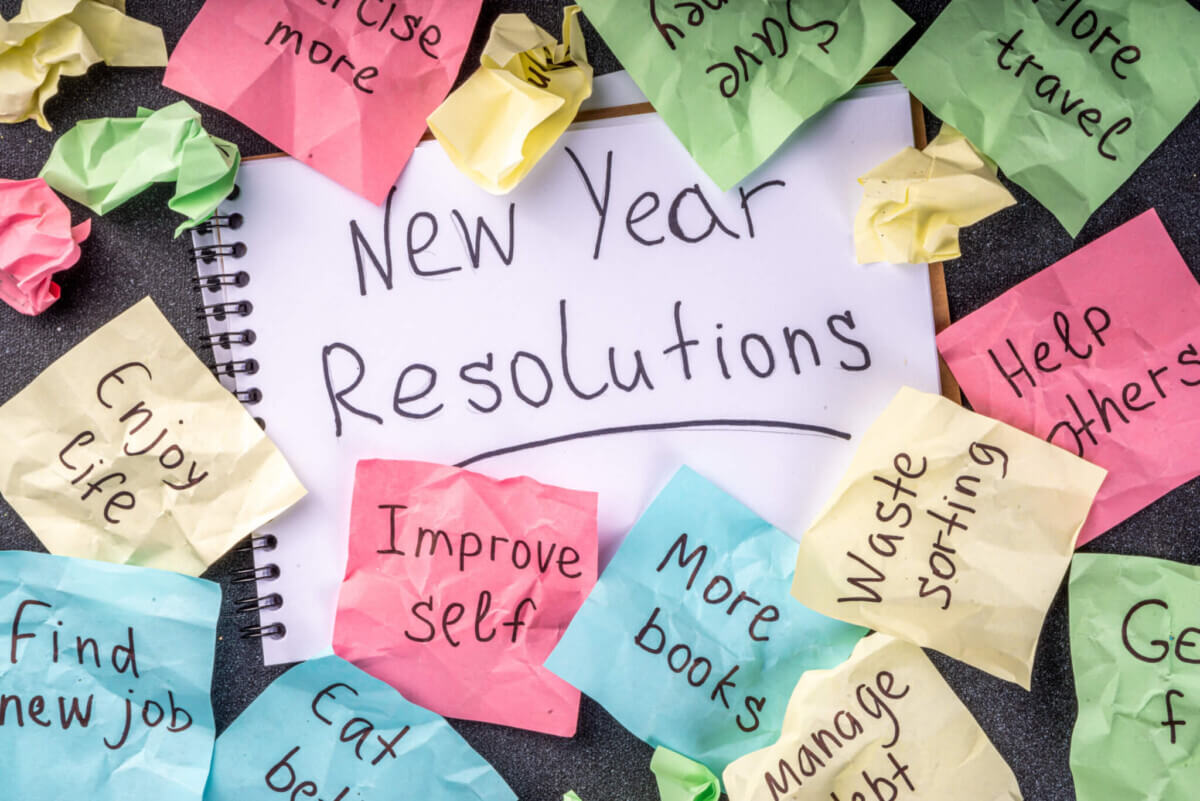
New year goals or resolutions (© ricka_kinamoto - stock.adobe.com)
Have you given up on your New Year’s Resolution? You’re likely one of many who are thrown in the towel on their goal for a healthier, more productive habit for the year. Oftentimes, that’s the result of people opting for a routine far too lofty. Or they simply took on a goal they were never really motivated to give 100 percent. But that doesn’t mean giving up entirely is the answer — and it certainly doesn’t mean it’s too late to take on other life-changing habits.
Sometimes, having a “plan B” for your New Year’s resolution can still lead you to success. While going to the gym every day or going to bed by 9 every night might not be realistic, there are some very easy goals and habits to pick up that can be just as good for your health.
Consider these seven “easy” goals for your alternative New Year’s resolution. Just because we’re already well into January doesn’t mean you can’t try something else. Best of all, these habits are backed by science. If you can add one of them to your routine, pat yourself on the back for doing so. And best of all, you may even notice a difference in your mood, energy, or productivity within days or weeks of starting the new habit. Good luck!

Drink a glass of water every morning, as soon as you wake up.
Staying hydrated throughout the day is one of the easiest ways to ensure you’ll have a sharper, happier head on your shoulders. If you make this habit the first thing you do in the morning, you’re already starting your day off on the right track. And let’s not forget that you just spent a long stretch of time without a sip of anything while you slept.
By hydrating yourself properly after waking, you’ll be more likely to want to continue the trend throughout the day. If you’re not a morning person, you may quickly find yourself feeling less groggy and more alert by the time you finish brushing your teeth.
This is such an easy resolution to keep. Put a bottle or glass of water on your nightstand before you go to sleep and you’ll all but guarantee that you’ll fulfill this easy task. Best of all? You should notice the positive difference within a few weeks, if not sooner.
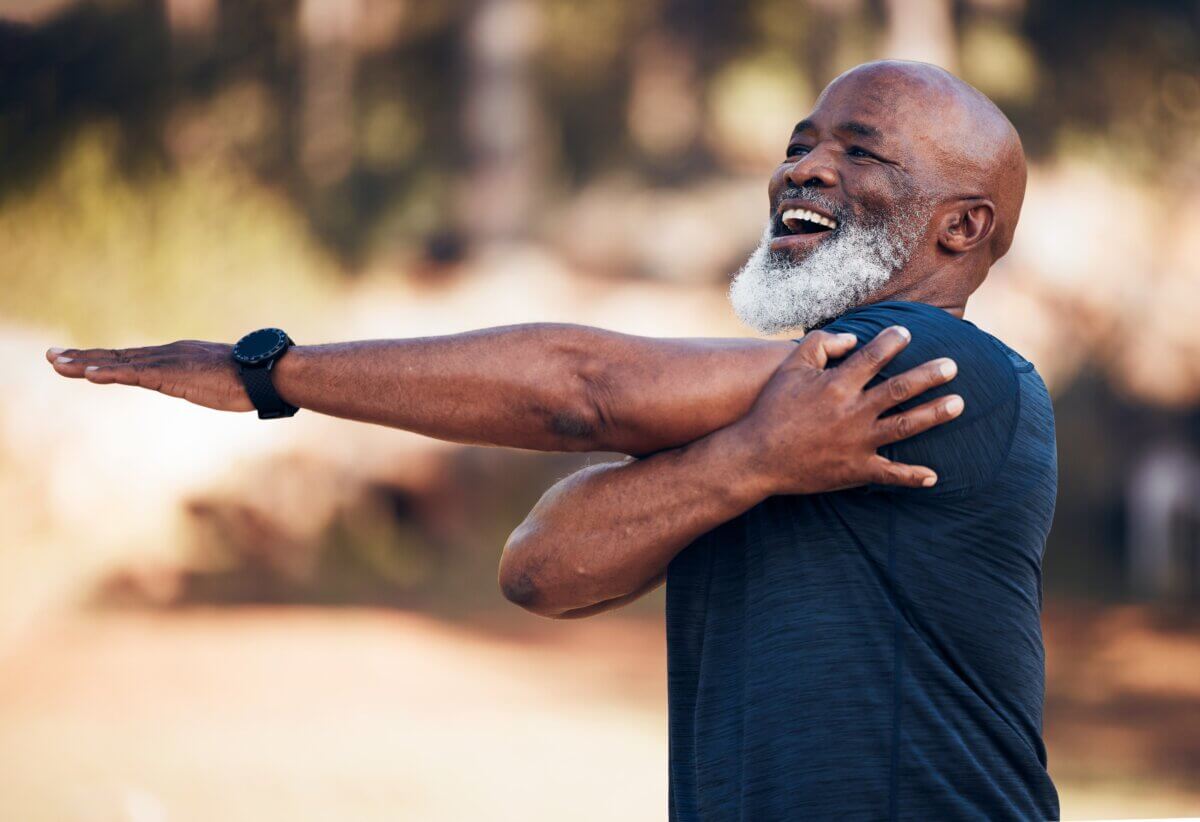
Stretch throughout the day, every day.
If yoga’s just not your thing, vow to simply give yourself a good stretch across your day. It can be as simple as reaching for the sky and touching your toes a few times, but you can also find some really effective stretching videos on YouTube. There are also videos that demonstrate stretches you can do at your work desk or in your home office.
So what’s so great about stretching? It turns out that flexibility is linked to a longer life. Researchers say that increasing flexibility won’t directly lead to a longer life, but rather that how limber you are could be an important indicator of overall health and longevity.
Beyond just the simple stretches, scientists suggest also taking the time to focus on your ankles, knees, hips, trunk, wrists, elbows, and shoulders. If you can’t find the time to set aside for stretching, pair it with another mundane activity that you can do simultaneously. You can make the time to stretch out these body parts while you’re waiting for your morning coffee to brew or even while you’re sitting on the toilet. This is a very easy resolution that will improve your health.
Promise to only read real, physical books — and do it outside.
Do you really need to read a book on a screen? Between the amount of time you spend on your phone, on your computer, and watching TV, you’ll do your eyes and brain a favor if you opt for real paper.
Reading tends to be on the more “daunting” side of the resolutions for many folks. Between the time investment and the commitment (especially if it’s super long), some people opt for audiobooks instead. And while there are still benefits to listening to recordings of books, doing it the old fashioned way will feel more like an accomplishment in addition to all the other reasons you should read a real book.
Here’s how to make this resolution easy: set a goal to read just five pages per day. Maybe you make it a habit when getting in bed. Maybe you read one or two pages while eating breakfast or getting ready for work. Perhaps you take a mental break at your work desk and take in a few more pages.
As for why you should read books outside: scientists say it may keep your vision strong, particularly on sunny days. Their study shows that visual contrast increases outdoors, which means reading under bright light stimulates your visual brain more effectively.
Visit a museum or art gallery just once a month.
There are so many reasons why an afternoon at the museum can be a breath of fresh air for your brain and body.
Let’s start with the walking. Hitting that daily recommendation of 10,000 steps is easy-peasy when you’re going from floor to floor, exhibit to exhibit. Wait, can going to the museum count as going to the gym?
As for your mental health, one researcher likened visits to the museum as a “miracle cure” for stress. We understand why: immersing yourself in exhibits will stimulate your brain for hours, between the amount of learning, critical thinking, and socializing that you’ll engage in.
Engaging in the arts is particularly good for long-term health. A 2019 study reported that older adults who regularly engage in fine arts activities as little as every few months have a 31 percent lower risk of early death. Researchers concluded that these adults also showed superior cognitive skills and mental health. The best part? Many galleries and museum are free of charge, making this resolution a fun and inexpensive one to boost health.

Sole D’Alessandro G. on Unsplash)
Brush your teeth (for two full minutes) and floss at least twice a day.
If you’re not doing this already, then it should be your no-brainer New Year’s resolution. Do you really want to find yourself in a dentist’s chair more than the two times a year you’re going for a cleaning? (It should go without saying that you’re doing this too…)
There is no better way to avoid having a drill in your mouth than by brushing for two minutes and flossing at least twice a day. But that’s not even why we’re suggesting this as your 2026 goal. Poor oral hygiene is linked to a very long list of major health conditions, according to many studies we’ve published here on StudyFinds.
According to these studies, brushing and flossing at least twice daily can help prevent:
- Atrial fibrillation
- Alzheimer’s disease
- Heart failure
- Heart disease
- Autoimmune diseases
- Diabetes
- IBD symptoms
- High blood pressure
- Brain shrinkage
- Heart attacks
- Arthritis
So why does good oral hygiene help to keep away these conditions? The bacteria in your mouth can enter your bloodstream, cause inflammation, or travel to organs like your brain and wreak havoc. Gum disease is especially a major concern when it comes to dangerous bacteria, which is why flossing is just as important as brushing.
Brushing and flossing twice daily is a no-brainer when it comes to better health. There may be no easier resolution that carries such a major impact on your long-term health than this one. Just make sure you actually brush for two minutes — this really does make a huge difference.
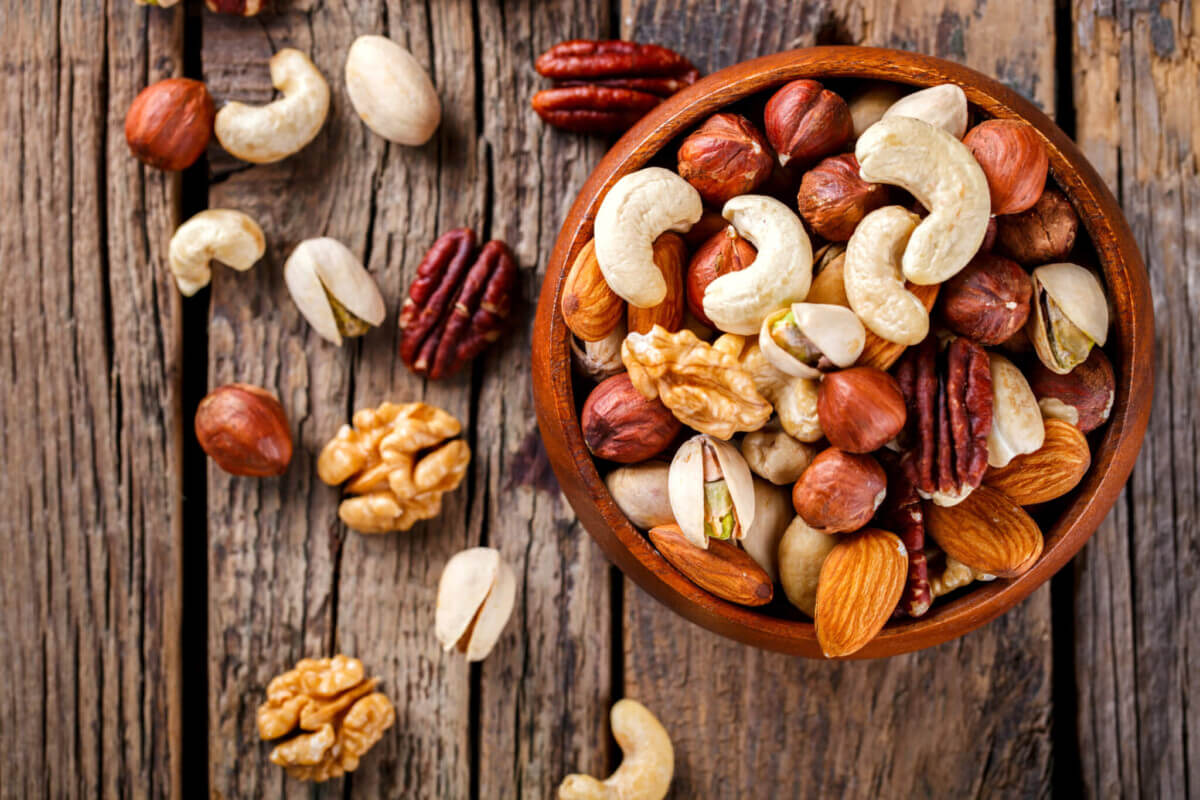
Add a handful of nuts to your meals.
This simple dietary switch can do wonders for your body. Eating more nuts and less chips will swap those harmful processed ingredients for healthy fats that are linked to a stronger brain and heart.
- Almonds can curb cravings, help with weight loss, and keep your gut healthier.
- Walnuts have been shown to boost gut health, improve cognition within hours, reduce academic stress, and improve heart health.
- Pecans can help prevent obesity and inflammation, reduce bad cholesterol and fat levels, and protect you from heart disease.
- Pistachios protect eyesight, while peanuts fight heart disease and improve blood flow.
Embrace nostalgia and pledge to tap into your youthful self more often.
When life begins to feel like a dull routine, the enjoyment of each day and overall satisfaction can fade dramatically. Rinse and repeat is not a recipe for happiness.
Perhaps that’s what made childhood so much fun, and why nostalgia can so easily bring back that youthful feeling. Kids naturally seek out amusement and adventure. Who says that should stop in adulthood? Research has shown that engaging in nostalgic behavior and tapping into your silly, child-like side can leave you feeling happier and more carefree.
Even better, a study out of Japan showed that people who regularly reminisce and value nostalgia tend to work harder at maintaining their friendships. As a result, they typically have more friends. And of course, there are countless pieces of research showing how having a strong social network can improve mental and physical health into old age.
So plan more trips to your local arcade, spend some afternoons at the zoo or your favorite museums, or maybe go for roll down a hill once in a while. Tapping in to your inner child regularly could be the key to a joyful 2026.
Have a simple habit you’ve added to your daily routine that’s changed your life? Let us know in the comments below!


