(© fotodrobik - stock.adobe.com)
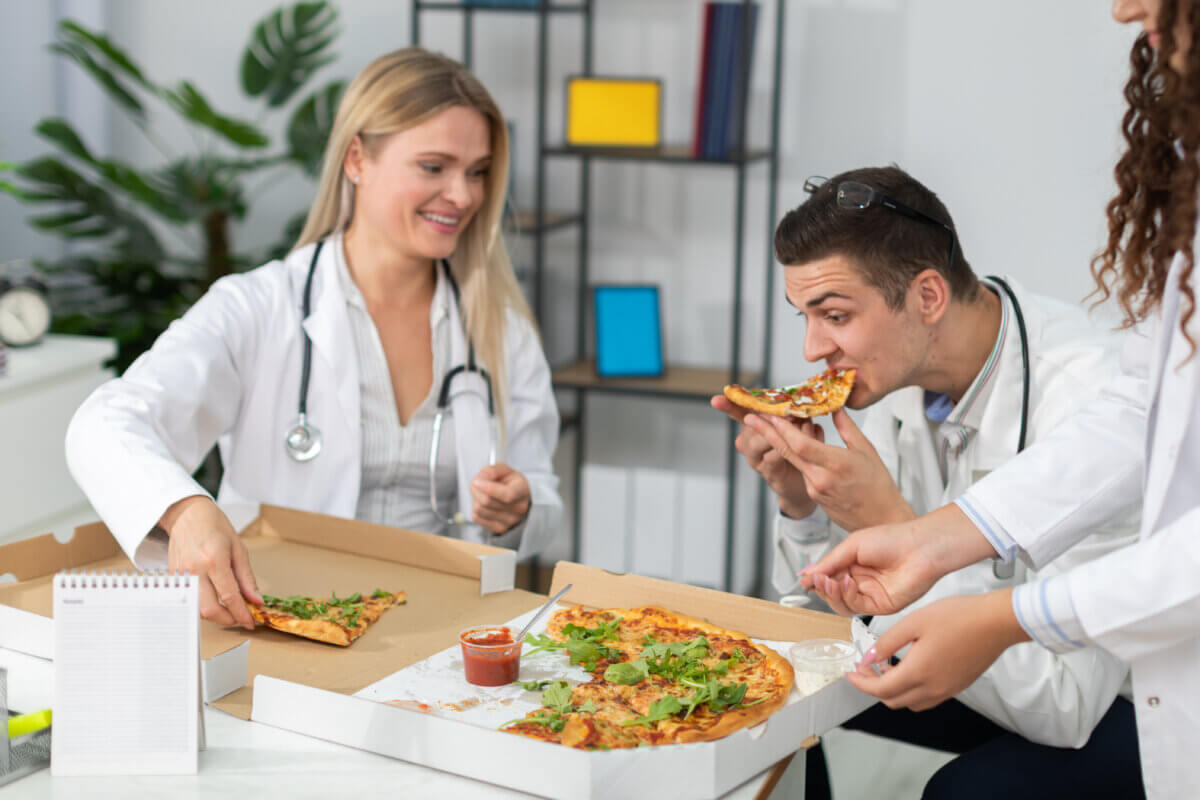
WASHINGTON — The United States has a bad reputation for being obsessed with junk food, but it’s hard to argue that claim when fast food joints are literally everywhere — including hospitals! Nearly 70% of U.S. hospitals affiliated with a medical school have at least one fast food restaurant inside their facilities, according to researchers with the Physicians Committee for Responsible Medicine.
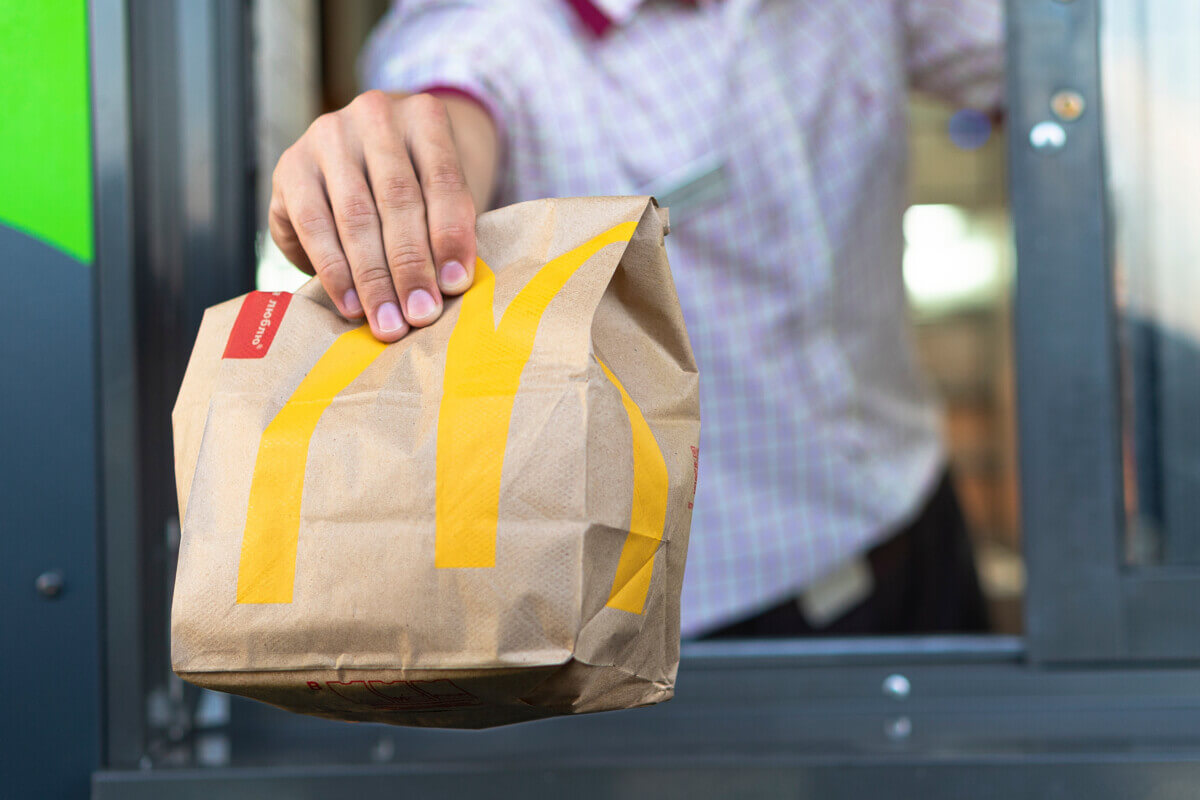
The findings update a 2006 study that initially reported 63% of hospitals affiliated with medical schools had fast food eateries on the premises. The five most common fast food restaurants in hospitals are Subway, Starbucks, Au Bon Pain, Chick-fil-A, and McDonald’s. The full survey details are published in the American Journal of Lifestyle Medicine.
“Making fast food like cheeseburgers and fried chicken available in hospitals is hazardous to the health of patients, visitors, and staff,” says Dr. Zeeshan Ali, the paper’s lead author and a nutrition program specialist with the Physicians Committee, in a media release. “Hospitals are places of healing, and any food served in hospitals should help reinforce that message with plenty of healthful meals focused on fruits, vegetables, grains, and beans.”
While fast food is convenient, it is not the most nutritious. Eating fast food raises the risk of Type 2 diabetes and heart disease. Consuming it four times a week elevates heart disease risk by up to 80%. According to the researchers, fast food restaurants in hospitals undermine the message doctors take to get their patients to eat more healthily. Previous research shows that families visiting the hospital were more likely to buy McDonald’s if available in the hospital and four times more likely to eat junk food on the day of their appointment.
“Hospitals should be setting the standard when it comes to good nutrition and should house restaurants that reinforce the message that foods that are low in saturated fat, cholesterol-free, and high in fiber are the healthiest options for patients, staff, and visitors,” says Dr. Roxanne Becker, a member of the Physicians Committee and co-study author.
Doctors on the Physicians Committee had medical students from 192 medical and osteopathic schools complete surveys on fast food restaurants housed in their main teaching hospital or medical center. Surveys were completed by 255 students from 146 schools. Of the 146 schools, 101 housed at least one fast food restaurant.
When students were surveyed on their thoughts about fast food restaurants being in hospitals, over half strongly or somewhat disagreed with having them placed there. Burger King, KFC, Pizza Hut, and Wendy’s were among the 38 fast food restaurant chains frequently found in hospitals.
In 2017, the American Medical Association advised healthcare facilities to improve nutrition standards by providing a wider range of healthy meals, eliminating processed meat from menus, and advertising more nutritious beverages. Now, the study authors recommend continuing this effort by having fast food chains offer a healthier menu or scrapping these restaurants altogether.
Paper Summary
Methodology
The researchers conducted a survey to assess the prevalence and types of fast food outlets in hospitals affiliated with U.S. medical schools. They invited medical students at 192 medical and osteopathic schools to complete online surveys about the fast-food restaurants located in the hospitals where they rotated during their training. The survey provided a list of common fast-food chains and allowed students to add any others present. The researchers defined a fast food restaurant as one that meets at least two criteria: expedited service, minimal wait staff, payment before receiving food, and takeout options.
Key Results
The survey received responses from 146 out of the 192 medical and osteopathic schools. Over two-thirds (69.2%) of the schools reported having at least one fast food restaurant affiliated with their teaching hospitals. The most common fast-food chains found were Starbucks, Subway, Chick-fil-A, Au Bon Pain, and McDonald’s. However, the majority of student respondents (56.8%) disagreed that it is acceptable for fast food restaurants to be located in hospitals.
Study Limitations
This study relied on self-reported data from medical students, which could not be independently verified by visiting or calling the hospitals. Additionally, the survey distribution method may have introduced some selection bias, as the links were shared through connections to the Physicians Committee for Responsible Medicine, the organization that the authors are affiliated with.
Discussion & Takeaways
The researchers note that the continued prevalence of fast food outlets in hospitals, despite evidence of their negative health impacts, sends the wrong message to medical students and the public about healthy eating. They suggest that hospitals should either encourage fast food chains to provide more nutritious options or replace them with establishments serving healthier food. Improving the food environment in healthcare settings could positively influence the eating habits of patients, staff, and visitors.
Funding & Disclosures
The authors received no external funding for this research. Several authors, including the president of the Physicians Committee for Responsible Medicine, have affiliations with that organization, which promotes plant-based nutrition. However, the authors did not receive direct compensation for this publication.


I am a medical anthropologist who studies culture-caused disease. Doctors are part of society and practice the same bad lifestyles as the rest of the culture. See my article, Double Blinded Medicine: When the Doctor and Patient are both in the Dark”. https://www.academia.edu/38663562/DOUBLE_BLINDED_MEDICINE_When_Doctor_and_Patient_Are_Both_in_the_Dark