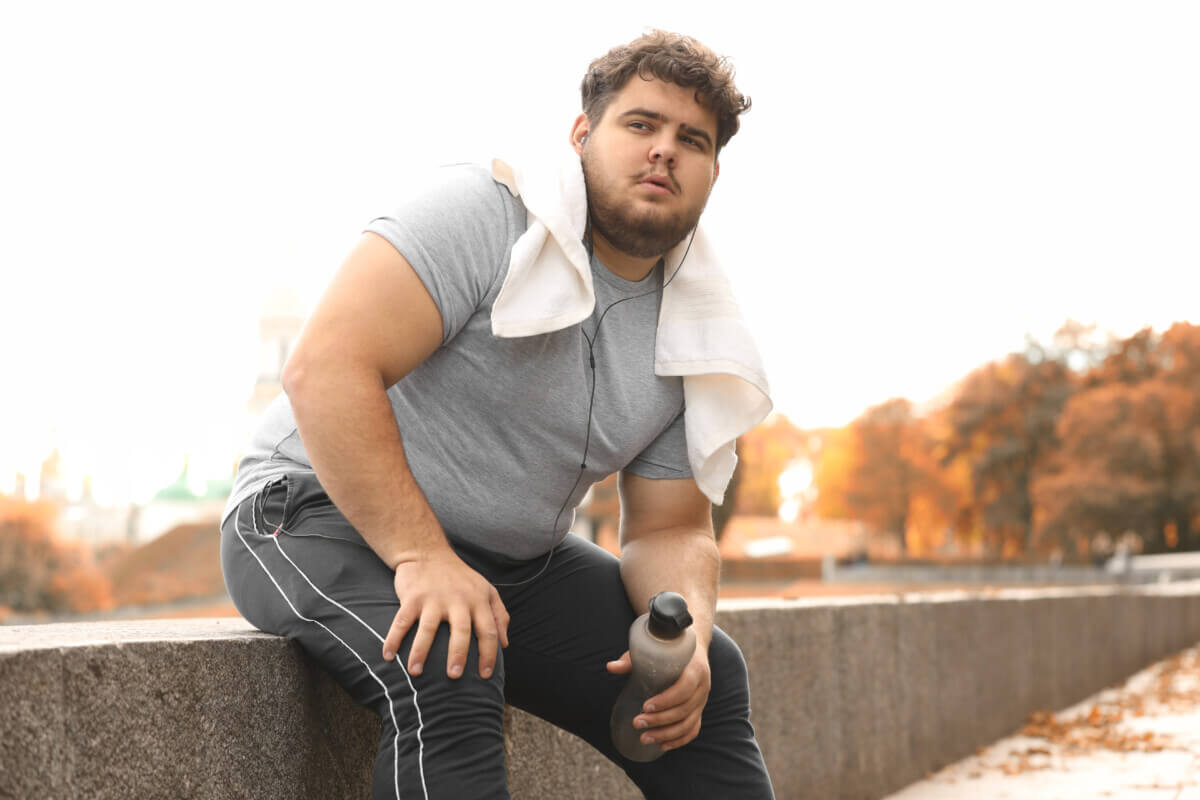
(© New Africa - stock.adobe.com)
CHARLOTTESVILLE, Va. — Forget everything you thought you knew about weight and health. A head-turning study suggests that being physically fit might matter more than how much you weigh when it comes to your risk of dying from heart disease or other causes.
A team led by researchers from the University of Virginia has turned traditional wisdom about health on its head, finding that people who are overweight or obese but physically fit have essentially the same risk of death as those at a “normal” weight.
The real killer? Being unfit, regardless of body size.
This comprehensive analysis, published in the British Journal of Sports Medicine, examined nearly 400,000 individuals and found that people who were out of shape faced a dramatically higher risk of death – being roughly two to three times more likely to die from cardiovascular disease or other causes compared to their physically fit counterparts.
“Fitness, it turns out, is far more important than fatness when it comes to mortality risk,” says Siddhartha Angadi, an associate professor of exercise physiology at the University of Virginia School of Education and Human Development, in a media release.
“Exercise is more than just a way to expend calories. It is excellent ‘medicine’ to optimize overall health and can largely reduce the risk of cardiovascular disease and all-cause death for people of all sizes.”

The study tracked participants across multiple groups, with an average age range of 42 to 64 years. Importantly, the research included a more diverse group than previous studies, with 33% of participants being women – a significant improvement over earlier research that was dominated by male participants.
Participants were categorized into groups based on two key measurements: body mass index (BMI) and cardiorespiratory fitness. BMI is a standard measure that uses height and weight to estimate body fat, while cardiorespiratory fitness measures how efficiently your body can transport and use oxygen during exercise.
Remarkably, the researchers discovered that being “fit” appeared to neutralize the traditionally understood health risks associated with being overweight or obese. Individuals who were overweight or obese but maintained good fitness levels showed no statistically significant increase in mortality risk compared to those at a normal weight.
“The largest reduction in all-cause and cardiovascular disease mortality risk occurs when completely sedentary individuals increase their physical activity modestly,” Angadi reports. “This could be achieved with activities such as brisk walking several times per week with the goal of accumulating approximately 30 minutes per day.”
Conversely, individuals who were unfit – regardless of their weight – faced substantially higher risks. The unfit group, across all weight categories, showed a two to three-fold increase in the likelihood of dying from all causes, including heart disease.
This doesn’t mean weight doesn’t matter at all. Instead, the study suggests that physical activity and fitness might be more critical to long-term health than previously understood. The researchers propose a radical shift in approach: instead of focusing exclusively on weight loss, public health strategies should emphasize improving physical fitness.
The good news? This study suggests that you don’t need to become an elite athlete to see benefits. Most studies in this analysis considered individuals “fit” if they were above the 20th percentile of cardiorespiratory fitness for their age group. This means even moderate increases in physical activity could significantly reduce health risks.
Paper Summary
Methodology
The researchers conducted a systematic review and meta-analysis, which means they collected and analyzed data from 20 different scientific studies. They searched multiple databases and applied strict criteria to ensure they were comparing similar, high-quality research. The studies tracked participants over periods ranging from 7.7 to 26 years, providing a robust long-term view of health outcomes.
Key Results
The key findings were clear: fit individuals, regardless of weight, had similar mortality risks. Unfit individuals faced dramatically higher risks of death from all causes and cardiovascular disease. This held true across different age groups, sexes, and even for people with chronic diseases.
Study Limitations
Most participants were from higher socioeconomic backgrounds and were predominantly Caucasian. The studies were mostly conducted in the United States, meaning the results might not perfectly translate to all global populations. Additionally, the study relied on Body Mass Index (BMI), which isn’t a perfect measure of body composition.
Discussion & Takeaways
The study challenges the traditional weight-centric approach to health. It suggests that encouraging physical activity might be more beneficial and sustainable than focusing solely on weight loss. The researchers advocate for a fitness-first approach that could help people improve their health without the frustration of repeated dieting.
Funding & Disclosures
The authors did not receive specific funding for this research from any public, commercial, or non-profit sector. No conflicts of interest were declared, enhancing the study’s credibility.


Natural selection does not favor individuals with excessive body fat, as it is likely detrimental to survival and reproduction, making them less likely to pass on their genes.