
(Photo by CHUANGXIN ZHOU on Shutterstock)
COLUMBUS, Ohio — In the battle against the bulge, an unlikely ally has emerged: your tubby tabby. A new study suggests that overweight cats might hold the key to understanding – and potentially treating – human obesity. And it all comes down to the tiny microbes living in their guts.
Researchers at The Ohio State University have discovered that when chubby cats shed pounds through calorie restriction, it triggers significant changes in their gut microbiome – the vast community of bacteria living in their digestive tracts. These changes bear a striking resemblance to what happens in humans during weight loss, offering a tantalizing glimpse into the complex relationship between diet, gut bacteria, and obesity.
“Animals share our beds. They share our ice cream. There are all these things that people do with their pets that highlight they are a naturally occurring disease model with similar environmental exposures as humans,” says lead study author Dr. Jenessa Winston, assistant professor of veterinary clinical sciences at Ohio State.
Revelations from a weight loss regimen in cats
The study, published in the journal Scientific Reports, followed seven overweight cats as they went through a carefully controlled weight loss program. The cats cycled through four dietary phases over 16 weeks, including a period of strict calorie restriction.
Throughout the process, researchers collected and analyzed fecal samples from the cats, looking for changes in bacterial populations and the molecules these bacteria produce. What they found was both surprising and potentially groundbreaking.
As the cats lost weight, their gut bacteria shifted significantly. Most notably, there was a marked increase in a short-chain fatty acid called propionic acid. This compound has been shown in other mammals to regulate appetite, reduce fat accumulation, and protect against obesity and diabetes.
“When the cats are on the special diet formulated for weight loss, propionic acid goes up and stays high, and then goes back down when they’re put back on the maintenance diet. So it really is a dietary change,” explains Dr. Winston.
What’s the link to humans?
The increase in propionic acid was associated with a rise in a specific bacterium called Prevotella 9 copri. Intriguingly, this same bacterium has been linked to weight loss and improved blood sugar control in humans.
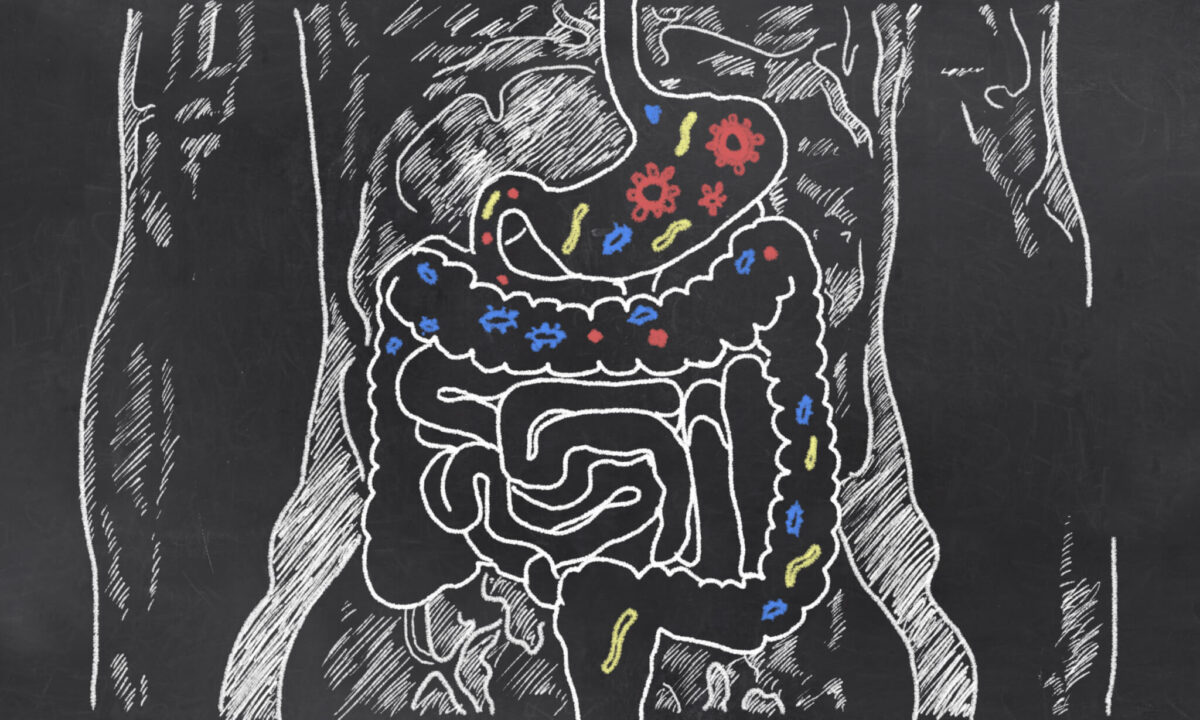
These parallels between feline and human gut changes during weight loss are what make the study so exciting. With an estimated 60% of cats overweight or obese in developed countries – mirroring concerning trends in human obesity rates – our feline friends could serve as ideal models for studying this pervasive health issue.
“Being able to see changes in cats that come up in the context of obesity and Type 2 diabetes in people makes them a really good model to start looking at more microbiome-directed therapeutics for obesity in humans if we’re seeing a similar shift,” says Dr. Winston.
Hope for gut-centric obesity treatments in the future
The implications of this research extend far beyond the world of veterinary medicine. By understanding how gut bacteria influence weight loss in cats, scientists may be able to develop new strategies for tackling human obesity. This could potentially include probiotic supplements or dietary approaches aimed at boosting beneficial gut bacteria and propionic acid production.
Dr. Winston’s lab is already exploring the therapeutic potential of gut microbes, overseeing two large clinical trials that use fecal transplants from lean pets to help overweight dogs and cats slim down. “My lab is focused on how we can harness the therapeutic power of microbes,” she explains.
While there’s still much to learn about the complex relationship between gut bacteria and obesity, this study provides an important piece of the puzzle. It suggests that the key to unlocking new weight loss treatments might be closer than we think – perhaps as close as the purring companion on your lap.
So the next time you scoop your cat’s litter box, remember – you might be looking at more than just waste. Those microscopic inhabitants of your pet’s gut could hold big secrets for tackling one of the most pressing health issues of our time.
Paper Summary
Methodology
The researchers conducted a 16-week study on seven overweight cats, guiding them through four distinct dietary phases. Initially, the cats were allowed to free-feed on commercial cat food for two weeks. This was followed by a week of unrestricted access to a specially formulated weight-loss diet. The core of the study involved 11 weeks of carefully controlled calorie restriction using the weight-loss diet, aiming for a 1-2% reduction in body weight per week. Finally, the cats returned to their original maintenance diet for two weeks. Throughout this process, the researchers collected fecal samples from the cats. These samples were analyzed using advanced DNA sequencing techniques to identify and quantify the various types of bacteria present. Additionally, the levels of short-chain fatty acids, with a particular focus on propionic acid, were measured in the fecal matter.
Results
The study yielded several significant findings. As expected, the cats successfully lost weight during the calorie restriction phase. More importantly, this weight loss was accompanied by notable changes in the cats’ gut bacterial populations. A key discovery was the increase in levels of propionic acid found in the cats’ feces during the weight loss period. This increase in propionic acid was associated with a rise in the abundance of a specific bacterium, Prevotella 9 copri. Interestingly, when the cats returned to their regular diet, many of these changes began to reverse, highlighting the direct relationship between diet and gut microbiome composition.
Limitations
While the study provides valuable insights, it’s important to acknowledge its limitations. The small sample size of only seven cats limits the generalizability of the findings. Additionally, fecal samples were collected at specific time points, which may have missed day-to-day variations in the gut microbiome. The study also didn’t directly measure how the observed bacterial changes affected the cats’ overall health or metabolism. Furthermore, it remains unclear whether similar changes would occur in cats losing weight through other methods, such as increased physical activity.
Discussion and Takeaways
This study offers compelling evidence that calorie restriction-induced weight loss in cats leads to beneficial changes in their gut bacteria. The observed increases in propionic acid and Prevotella 9 copri are particularly noteworthy, as similar changes have been seen in humans during weight loss. These parallels suggest that pet cats could serve as excellent models for studying obesity and developing potential microbiome-based treatments. The findings underscore the complex interplay between diet, gut bacteria, and weight loss, opening up new avenues for research. Future studies could explore ways to promote these beneficial bacterial changes, possibly through probiotic supplements or tailored dietary interventions.
Funding and Disclosures
It’s important to note that this study received partial funding from Nestle Purina, which also provided the special weight loss diet used in the research. Additionally, the lead researcher, Dr. Winston, and some co-authors are paid speakers for Nestle Purina. While these relationships don’t necessarily invalidate the findings, they do represent potential conflicts of interest that should be considered when interpreting the results. Transparency about such funding and relationships is crucial in maintaining the integrity of scientific research and allowing readers to form their own informed opinions about the study’s conclusions.


