
Incorporating enough fiber in a low-carb diet is important. (© bit24 - stock.adobe.com)
COPENHAGEN, Denmark — People need 25 to 30 grams of fiber daily, yet many of us have a hard time reaching this mark through our current diets. One way to entice people to eat more fiber is to make it tastier. In a study published in the journal Food Hydrocolloids, researchers have found a way to disguise the dry, gritty mouth feel people often associate with eating fiber-rich foods.
Fiber is vital for human health and has been shown to help lower the risk of heart disease, diabetes, and colon cancer. Low levels of fiber contribute to nearly one million deaths annually. Despite its importance, people often avoid fiber-rich foods, such as wheat bran, vegetables, and whole grains. Insoluble dietary fibers often contain an unpleasant, gritty sensation that make them less appealing to eaters.
“If we don’t like it, we don’t eat it. It’s that simple. And no one would enjoy eating grainy flour – but that’s roughly what the sensation of insoluble dietary fibers often produces, especially added to more liquid foods like yogurt, juices, and beverages,” says study corresponding author Lilia Ahrné, a professor at the University of Copenhagen’s Department of Food Science, in a statement.
The team notes that insoluble fibers often go well with bread but not with many other foods.
“This is why there is such a limited selection of fiber-rich foods and beverages. And that’s why it’s important to figure out how to incorporate fibers into more foods without causing a bad eating experience,” Ahrné continues. “The more variety there is in fiber-rich products, the greater the likelihood that people will increase their fiber intake. And now, we have a potential solution.”
The current study devised a method to hide the gritty mouth feeling when eating fiber-rich food to get more people to increase their fiber intake. The structure of chia seeds and their soft, gel-like layer surrounding the food inspired them to make pea cell-wall fibers in a gel to form a coating around fiber particles.
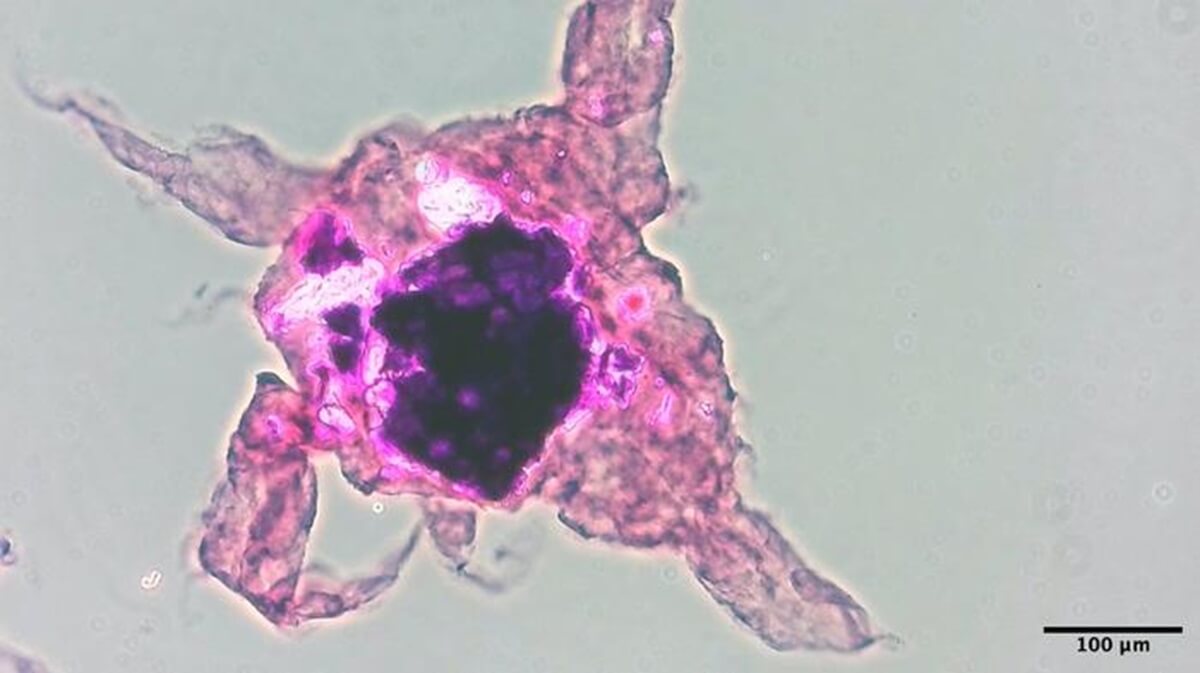
The gel is both flavor and odor-free. It is made of gellan gum created by bacteria and is already used in other food sources. The process of creating the gel capsules is feasible but involves precise steps like temperature control and viscosity management.
Instead of a gritty feeling in the mouth, the gel-encased fiber particles create a velvety texture — similar to cream on the tongue. The soft gel layer stops the fiber particles from being sensed by the eater’s tongue.
“Since the gel is at least as soft as tongue tissue, it doesn’t trigger the sensory receptors, and we don’t perceive the gritty texture,” says study first author Gabriele D’Oria, a former PhD student in the Department of Food Science at the University of Copenhagen.
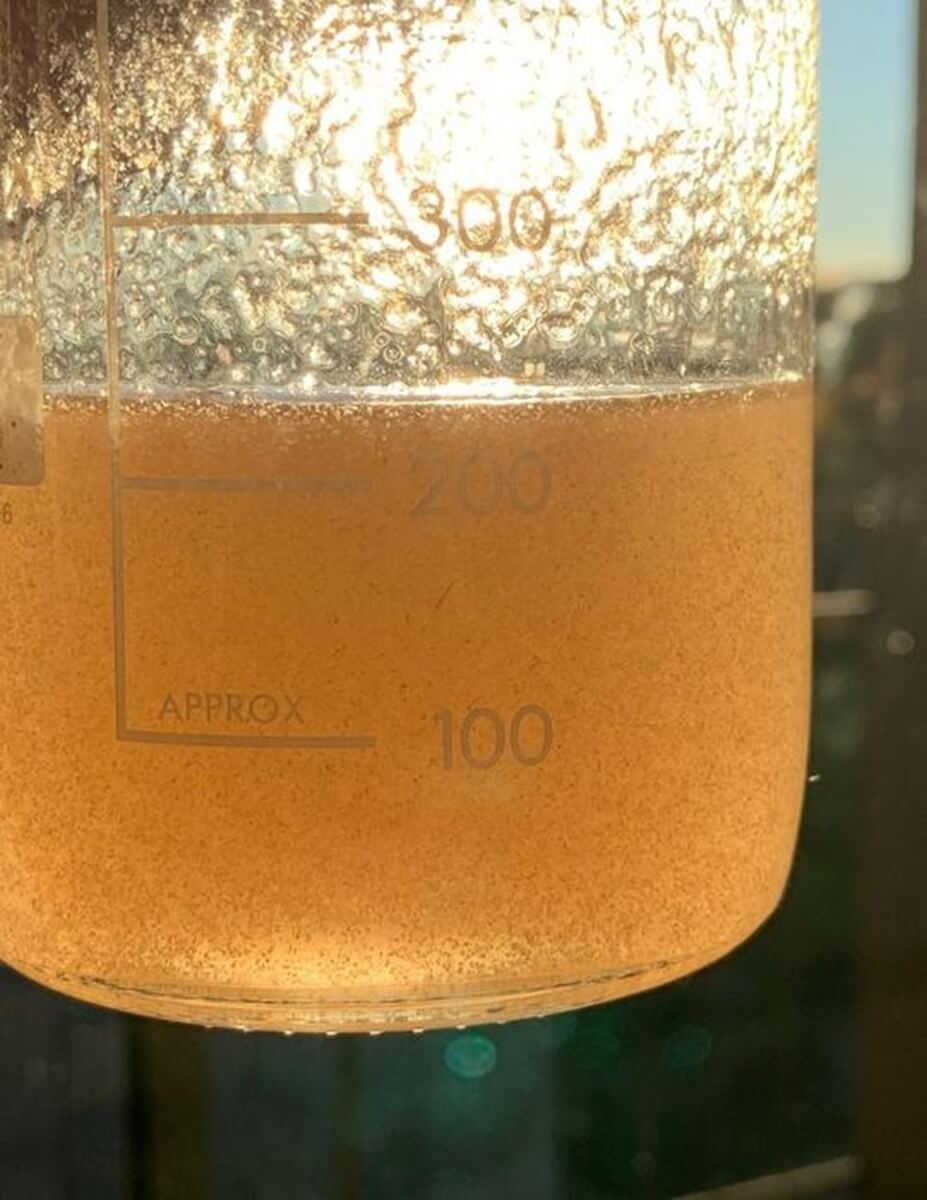
The researchers recruited people to taste test the gel-coated fiber particles and asked them to describe the taste. With the gel coat, participants reported a 52% reduction in the perception of fiber particles in their mouths. Additionally, the gel helped lower the sensation of grittiness by 42% and mouth dryness by 36%.
“We have now demonstrated that gel coating works. The gel can be refined and adjusted depending on the purpose. And in principle, the method can be used for all types of foods and beverages,” adds D’Oria.
Researchers hope the findings help with a global nutrition issue where people of all ages lack fiber by creating more appetizing fiber-rich food options. While the study did not specifically target elderly populations, its findings could help address fiber-related health concerns in older adults, such as digestive issues and frailty. The gel capsule method could complement efforts to create more sustainable, plant-based dietary options by utilizing fiber-rich by-products.
“We are all aware of the need to shift to more plant-based diets,” Ahrné concludes. “If we can understand how to address the negative experiences of eating dietary fibers, we can better utilize fiber-rich by-products, such as bran from grains, in a sustainable way.”
Paper Summary
Methodology
The researchers wanted to make dietary fibers (specifically pea fibers) more pleasant to eat by reducing their gritty texture and dryness. They coated the fibers with a soft gel layer, using a process that traps the fibers inside this gel. The gel is designed to mimic the softness of the tongue, so it feels smoother in the mouth.
To test this, they created different samples of gel-coated fibers and compared them to non-coated fibers using sensory evaluations. A trained panel assessed attributes like grittiness, particle detection, and mouth dryness after trying the samples. They also tested how well the coating stayed intact under stress, simulating chewing.
Key Results
The gel-coated fibers worked remarkably well. Compared to non-coated fibers, people felt 52% fewer particles, 42% less grittiness, and 36% less mouth dryness. However, when the gel was subjected to stress (like chewing), it lost about 15% of its effectiveness. Despite this, the coated fibers were still much smoother than non-coated ones. The study confirmed that this gel coating method is a promising way to make fiber-rich foods more enjoyable.
Study Limitations
- Stress Durability: The gel coating wasn’t entirely resistant to chewing or other stress, which means it could break down during eating.
- Off-Flavors: While the coating improved texture, it didn’t mask the off-taste of the pea fibers.
- Fiber Concentration: The method worked best at low fiber concentrations (below 2%). Higher concentrations reduced the effectiveness of the coating.
- Limited Scope: The study focused only on pea fibers and might not apply to other types of dietary fibers.
- Sensory Testing: The sensory panel was relatively small, which could limit the generalizability of the findings.
Discussion & Takeaways
This study highlights how science can improve the experience of eating healthy foods like dietary fibers. By coating the fibers with a gel that feels soft and smooth, the researchers significantly reduced unpleasant sensations like grittiness and dryness. This innovation could make fiber-rich foods more acceptable to consumers, helping more people meet their daily fiber needs. However, improving the durability of the coating and addressing the taste issues will be important next steps. Overall, the method could support the development of healthier and more sustainable food products.
Funding & Disclosures
The study was funded by Société des Produits Nestlé. The authors declared no conflicts of interest and complied with ethical standards.


