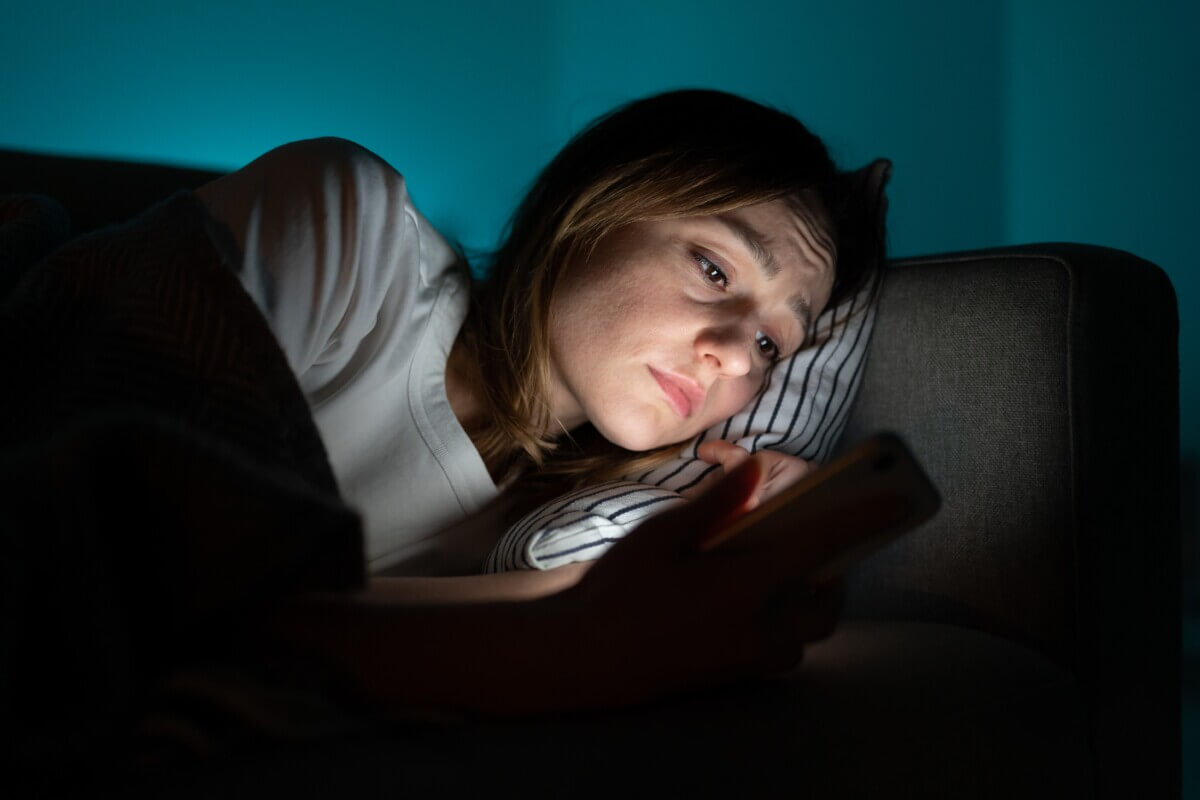
(Photo by DimaBerlin on Shutterstock)
NEW YORK — Three in four Gen Z Americans are putting the blame on social media for having a negative impact on their mental health.
The survey, commissioned by LG Electronics and conducted by Talker Research, offers compelling insights into the digital habits and emotional responses of 2,000 Gen Z social media users. In a startling revelation, 20% of Gen Zers cite Instagram and TikTok as detrimental to their well-being, followed by Facebook at 13%.
Despite these concerns, social media remains an integral part of Gen Z’s daily life. The average user spends a whopping five-and-a-half hours per day on social media apps, with 45% believing they outpace their friends in usage time. Boredom (66%), seeking laughter (59%), staying informed (49%), and keeping tabs on friends (44%) are the primary motivators for their online engagement.
However, this digital immersion comes at a cost. Nearly half the poll (49%) report experiencing negative emotions from social media use, with stress and anxiety affecting 30% of respondents. Even more alarming, those who experience these negative feelings report that it takes only 38 minutes of scrolling before their mood begins to sour.
“We spend a significant portion of our lives online and often these experiences may leave us feeling drained and not mentally stimulated,” says Louis Giagrande, head of U.S. marketing at LG Electronics, in a statement. “We encourage everyone to be more conscious about the social media content they choose to engage with, bringing stronger balance, inspiration, and happiness to their lives. If we focus on optimism, we will be better equipped to deal with life’s challenges and build a happier life.”

The study also uncovered a desire for change among Gen Z users. In fact, 62% wish they could “reset” their social media feeds and start anew. Over half (53%) express frustration with content misalignment, feeling that their feeds don’t reflect their interests. Moreover, 54% believe they have limited or no control over the content populating their feeds, with only 16% claiming total control.
Yet, it’s not all doom and gloom. Four in five respondents (80%) associate social media with positive impacts on their mood. Comedy (65%), animal content (48%), beauty-related posts (40%), and prank videos (34%) are among the top mood boosters. Two-thirds of users say that social media has turned a bad day into a good one, and 44% believe it positively impacts their outlook on life.
Looking ahead, 38% of Gen Zers are optimistic about social media’s potential to improve its impact on mental health over the next five years.
“Algorithms play a significant role in the content we see on social media, but there are simple actions people can take to ‘reset’ their feeds, so they can enjoy more of the positive content they’re craving,” Giagrande adds. “When you come across content that makes you smile, give it some extra attention. ‘Like it’ and leave a comment. Giving that post some engagement can help inspire more positive posts like it to show up on your feed.”
Survey methodology
Talker Research surveyed 2,000 Gen Z Americans who use social media; the survey was commissioned by LG Electronics and administered and conducted online by Talker Research between June 20 and June 24, 2024.


They don’t sign off because they’re addicts, no different than any other addiction.
We are wholly and completely addicted to our interactive technologies, and there is no getting around that simple fact. And it’s getting worse.
Some people have known this from the beginning. Me, for instance.
I never got a smartphone. I wrote a paper about Facebook being the thing that would ruin MANY lives.
IT will not matter if 50% have found their utopia as they to have become the Robots.