(Credit: Iv-olga/Shutterstock)
RIVERSIDE, Calif. — Like something straight out of a Disney movie, a study finds that gophers worked to save an entire mountain. These little critters dug up bacteria and fungi that helped restore lost plant and animal life to the devastated mountain landscape. Forty years later, the 24-hour gopher experiment continues to yield results.
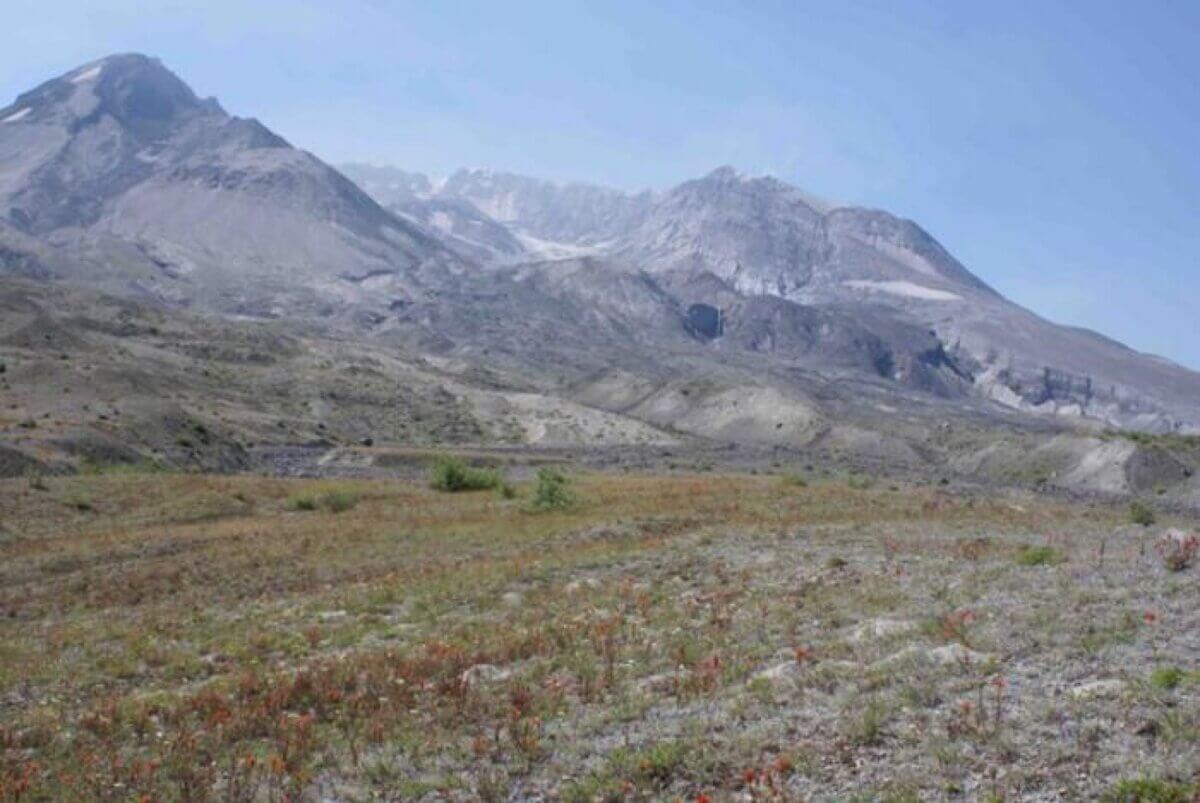
In 1980, Mount St. Helens in Washington erupted, destroying everything around it. Only ash and debris surrounded the area. There was no sign of animal and plant life returning, leaving the region a barren wasteland.
Out of curiosity, scientists wondered if digging up bacteria and fungi would help with soil recovery, bringing plants and, eventually, animals back to the area. Of course, this would require a lot of digging, so scientists turned to animals that loved to dig.
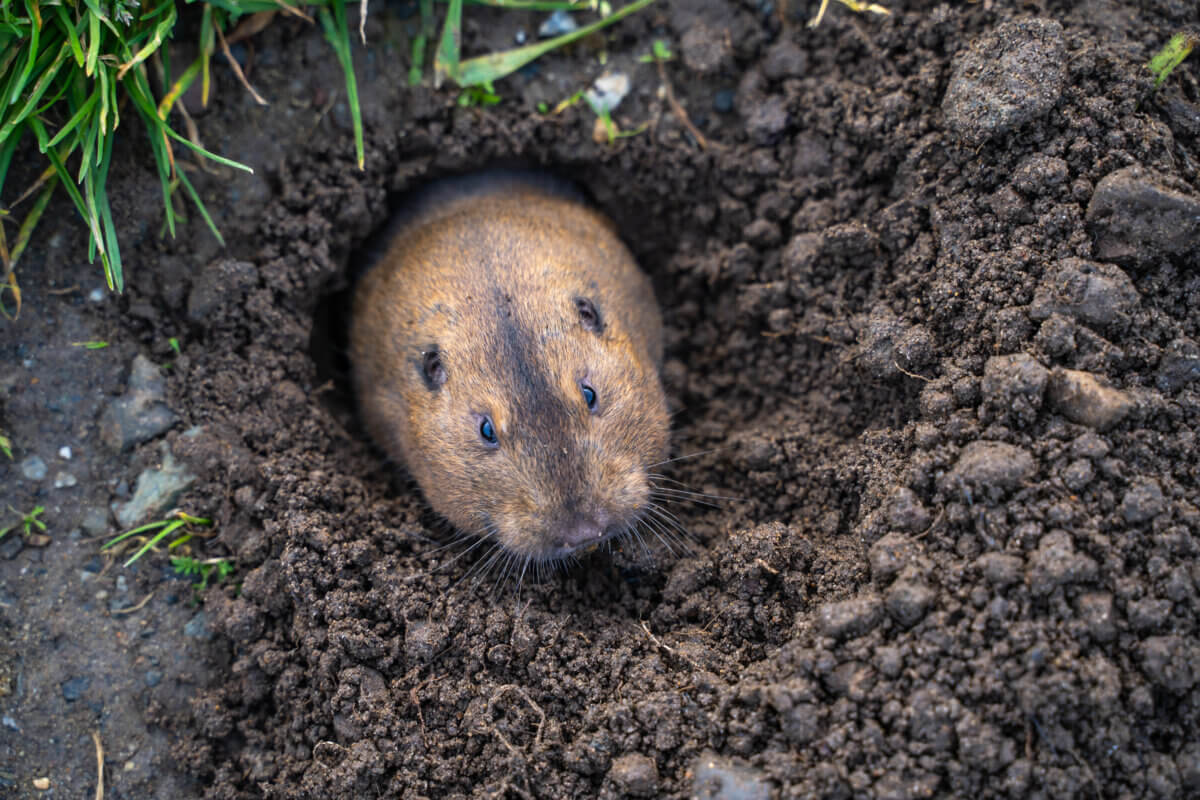
Gophers are small rodents that usually spell trouble when they appear. Their constant digging can damage plant life and cause soil erosion. These small rodents also chew on everything in sight, such as irrigation lines and cables, earning them the title of pests.
“They’re often considered pests, but we thought they would take old soil, move it to the surface, and that would be where recovery would occur,” says study author Michael Allen, a microbiologist at the University of California-Riverside, in a media release.
In 1983, scientists tested this theory and helicoptered to the lava-devastated landscape on Mount St. Helens. Only about a dozen plants lived on slabs of volcanic rock. Birds dropped seeds in the area, but these seedlings had trouble surviving.
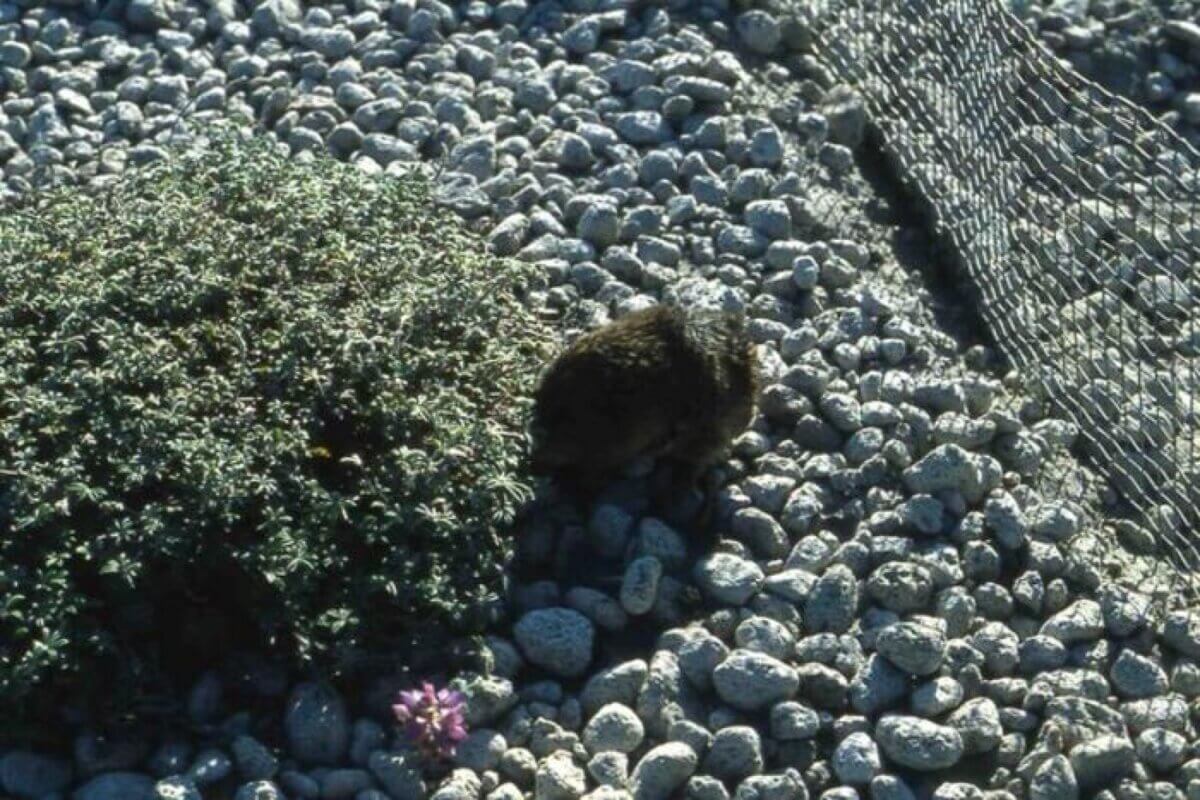
The scientists released a few local gophers onto two plots of volcanic rock for the day. They hoped these creatures would dig up old fertile soil rich in bacteria and fungi, such as Mycorrhizal fungi. These fungi enter plant root cells and exchange nutrients with the plants. Additionally, they protect plants from harmful pathogens lurking around in the soil. The fungi’s advantages would give plants enough resources to survive despite living in a barren area with limited resources.
“With the exception of a few weeds, there is no way most plant roots are efficient enough to get all the nutrients and water they need by themselves. The fungi transport these things to the plant and get carbon they need for their own growth in exchange,” Allen explains.
It turns out that the scientists were on to something. Six years after the gophers were dropped in the desolate area, the land began flourishing again with new life. Forty thousand plants grew on the gopher plots compared to the areas the gophers did not explore, which remained empty and lifeless.
However, even the scientists did not expect such robust changes. Forty years after the single-day experiment, Mount St. Helen is again rich in vegetation.
“In the 1980s, we were just testing the short-term reaction,” says Allen. “Who would have predicted you could toss a gopher in for a day and see a residual effect 40 years later?”
The current study published in the journal Frontiers in Microbiomes also examined the importance of these microbes in reviving life on the mountain. One side of the mountain contained a forest where volcanic ash covered everything in a blanket of soot. The dust trapped solar radiation, which caused needles from pine, spruce, and Douglas firs to overheat and drop. At one point, scientists thought the loss of needles meant the trees would eventually die.
This wasn’t the case, however. A closer inspection of the forest ecosystem showed the trees also had mycorrhizal fungi. These microbes recycled these dropped needles by absorbing their nutrients, which helped move the process of tree regrowth along.
Meanwhile, another side of the mountain painted a different picture. This side of the forest had been chopped down for logging, leaving no dropped needles for fungi to feed on. The result? A whole lot of nothing.
“There still isn’t much of anything growing in the clearcut area,” says Emma Aronson, an environmental microbiologist at UC Riverside. “It was shocking looking at the old growth forest soil and comparing it to the dead area.”
According to the authors, the findings reiterate how everything in nature has its purpose, even the ones invisible to the naked eye.
Paper Summary
Methodology
The researchers focused on examining soil microbial communities within forest areas impacted by the 1980 Mount St. Helens eruption. They selected study sites in two main areas: Bear Meadow and the Pumice Plain. Bear Meadow includes sections of old-growth forest and clear-cut areas, while the Pumice Plain was a severely affected area with long-term lupine plots, some of which were influenced by gopher activity.
Soil samples were collected from each location to analyze bacterial and fungal communities. Molecular techniques were employed, including DNA extraction and sequencing, to identify the types and diversity of microbes present. This approach allowed researchers to understand the composition of soil microorganisms in different conditions and management histories (e.g., old-growth vs. clear-cut forest and areas with or without gopher presence).
Key Results
The study revealed significant differences in microbial diversity across forest management histories and gopher-affected plots. Surprisingly, clear-cut areas had higher bacterial and fungal diversity than old-growth forests in Bear Meadow. On the Pumice Plain, plots with historical gopher activity showed greater microbial diversity than areas without gophers.
The gophers’ role in soil mixing likely helped reintroduce nutrients, benefiting microbial diversity. Fungal communities were also more diverse in areas affected by gophers, suggesting that their activities helped establish more resilient ecosystems by enhancing microbial communities that support plant growth.
Study Limitations
Firstly, the findings are based on samples from specific sites and might not apply to all forest ecosystems. The study’s design does not allow for observing microbial changes over time, limiting the ability to fully trace succession since the 1980 eruption. Finally, while the study identifies differences in microbial communities, it does not detail how specific microbial types directly influence ecosystem recovery or compare with areas unaffected by volcanic activity.
Discussion & Takeaways
This study highlights the lasting impact of forest management and small mammal activity on microbial communities in post-eruption environments. The unique roles played by forest management and animal-assisted soil mixing provide insight into how natural processes support ecosystem recovery.
The presence of diverse microbes in gopher-influenced areas suggests that animal activity can accelerate recovery by enhancing soil health and supporting plant reestablishment. These findings may help inform forest management practices in other disturbed landscapes, especially in areas affected by natural disasters.
Funding & Disclosures
Funding for this research was provided by multiple sources, including a UC Presidential Postdoctoral Fellowship, the Metabolic Studio Research Grant, and the Wildlife Conservation Society’s Climate Adaptation Fund. Additional funding for specific researchers was provided by the NSF and NIH. The authors have declared no conflicts of interest and confirm that the research was conducted independently of any commercial or financial affiliations.


