
Scientists invent a new chewing gum that may help prevent viral transmission. (New Africa/Shutterstock)
In a nutshell
- A plant-based chewing gum made from lablab beans can trap and neutralize flu and herpes viruses in the lab, offering a potential new way to reduce transmission directly in the mouth, where these viruses often spread.
- The antiviral protein in the gum (FRIL) stays stable for over two years at room temperature, making it a promising option for global use without the need for refrigeration or injections.
- Though results so far are limited to lab tests, the gum has passed safety checks and is now approved for clinical trials, which will help determine whether it actually prevents infection in people.
PHILADELPHIA — The battle against common viral infections might soon include an unexpected weapon: chewing gum. Researchers at the University of Pennsylvania have created a specialized gum that could trap and neutralize herpes and influenza viruses before they spread or cause infection.
This innovative approach targets viruses right where they often begin their journey, in the mouth. According to the research published in Molecular Therapy, the mouth is a much more efficient transmission route for viruses compared to the nose, making it a key battlefield for preventing infections from spreading.
How Bean Protein Becomes Virus-Fighting Gum
The research team has harnessed a natural protein called FRIL (Flt3 Receptor Interacting Lectin) found in lablab beans. When formulated into chewing gum, this protein works like flypaper for viruses, trapping them and preventing them from infecting cells or being transmitted to others.
This protein stays active for nearly two years in bean powder and even longer in chewing gum. Even after 794 days at room temperature, it was still working just as well. That kind of shelf life is a big deal for making the gum useful in the real world.

Yuwei Guo, Rachel Kulchar, Rahul Singh, and Geetanjali Wakade)
Most current antivirals require cold storage and complicated manufacturing. In contrast, this bean-based approach offers a simple solution that doesn’t need refrigeration, making it more accessible.
Lab testing revealed the bean gum extract caught between 75-94% of herpes simplex virus particles by causing them to clump together. When put through a machine that mimics human chewing, over half the FRIL was released within just 15 minutes of chewing.
Impressive Results Against Common Viruses
The researchers tested their gum against four viruses: two strains of flu (H1N1 and H3N2) and two types of herpes simplex virus (HSV-1 and HSV-2). When tested with a virus level similar to what’s found in saliva, the gum was able to block more than 95% of the viruses. It worked against flu strains at relatively low doses, and also stopped both types of herpes, though HSV-1 needed a higher amount than HSV-2.
This isn’t the team’s first try at antiviral gum. They previously developed a similar product against SARS-CoV-2 that proved more than 95% effective at neutralizing various coronavirus variants in saliva samples from COVID-19 patients.
How does this work? FRIL contains sections that attach to sugar molecules found on virus surfaces. This binding causes viruses to clump together in a way that doesn’t allow them to infect cells. If any viruses do manage to enter cells, FRIL can follow them inside and block their escape from cellular compartments, further preventing infection.
Why This Matters: The Scale of Viral Infections
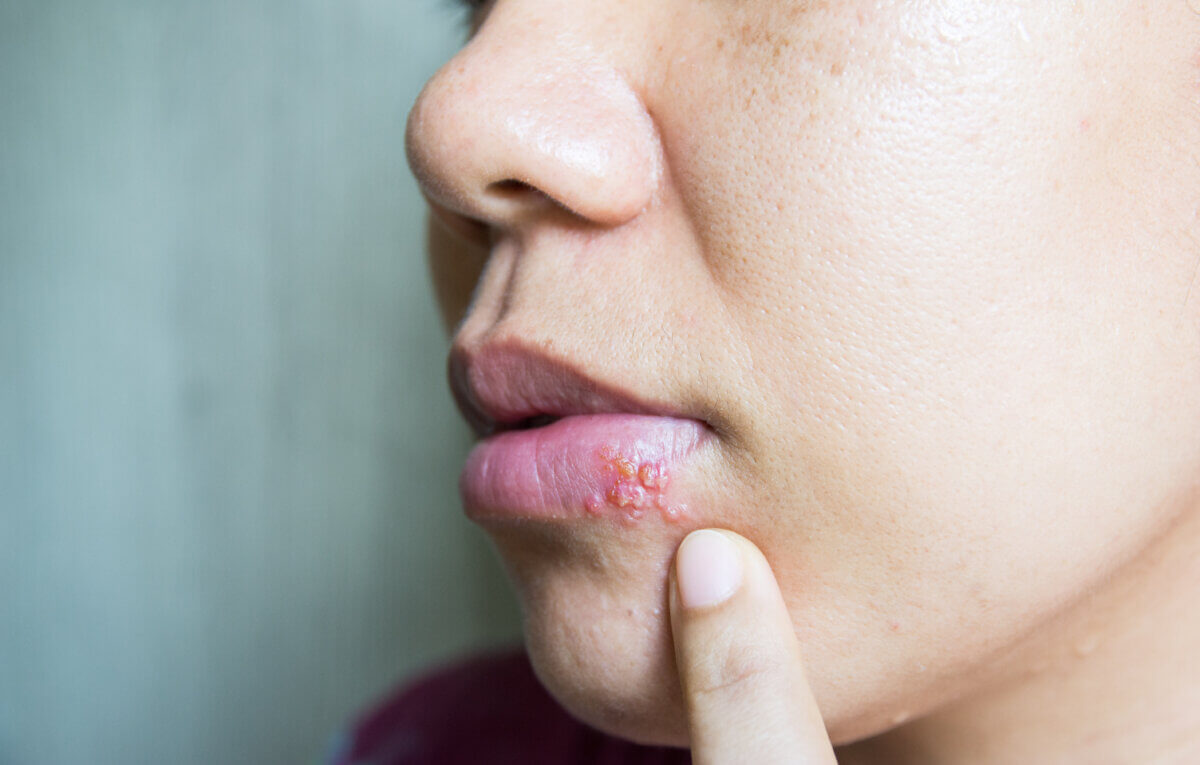
Herpes simplex affects over two-thirds of people worldwide, with more than 500,000 oral herpes cases occurring yearly in the United States alone. HSV can cause brain inflammation and is the leading cause of infectious blindness in Western countries, yet no vaccines are currently approved for either HSV-1 or HSV-2.
Seasonal flu, meanwhile, affects roughly 32 million people globally each year, leading to 5-7 million hospitalizations and 300,000 deaths. The economic toll in the United States alone exceeds $11.2 billion annually. While flu vaccines exist, their effectiveness ranges from only 10% to 60% depending on the year, and many people remain unvaccinated.
Another advantage is the source material itself. Lablab beans (also called hyacinth beans) have been eaten for centuries across Africa and Asia, with cultivation dating back to 1500 BC in India. Rich in nutrients, these beans are considered “Generally Recognized as Safe” by the FDA.
What’s Next
The gum is also relatively simple to manufacture. The bean powder is incorporated into chewing gum using a compression process that doesn’t need high temperatures, making large-scale production more feasible and potentially cheaper than traditional pharmaceutical approaches.
In practice, people might use the gum during flu season or when around potentially infected individuals. Since the gum gradually releases FRIL while chewing, it could offer protection throughout the day.
The gum must now pass through clinical trials before being made available to the public. Researchers are also looking to create bird feed with lablab bean powder in order to help fight against avian flu.
Viral diseases continue to challenge public health, but current prevention strategies aren’t cutting it. This bean-based chewing gum may be a fresh approach to reducing viral transmission. By targeting viruses directly in the mouth, this technology could complement vaccines and other preventive measures, potentially reducing infection rates worldwide.
Paper Summary
Methodology
The scientists created their antiviral gum using powder from lablab beans containing the natural FRIL protein. They made 2000 mg chewing gum tablets, each with 79 mg of bean powder, using a cold compression process instead of heat extrusion to keep the protein active. Their testing approach was methodical. First, they checked how long the FRIL protein stayed stable in both the bean powder and finished gum when kept at room temperature. They then ran tests to see if the bean gum could trap herpes virus particles and prevent viruses from infecting cells in laboratory cultures. To mimic real chewing, they used a machine called ART-5 that copies human jaw movements to measure how much FRIL gets released during typical chewing. They also performed safety checks for bacterial contamination and looked for potentially harmful substances that can occur in some related bean varieties.
Results
The results showed several promising outcomes. The FRIL protein remained stable for an impressively long time—up to 683 days in bean powder and 790 days in chewing gum at room temperature—losing less than 5% of its potency. When mixed with viruses, the bean gum extract trapped 75% of HSV-1 and up to 94% of HSV-2 particles. When tested against cells, the gum stopped more than 95% of influenza viruses (H1N1 and H3N2) at a concentration of 40 mg/mL, while it neutralized HSV-1 at 160 mg/mL and HSV-2 at 74 mg/mL. The chewing machine showed that more than half the FRIL was released in the first 15 minutes of chewing, with a steady release continuing for an hour until 95% had been released. The gum passed all safety tests with no detectable bacteria or fungi, maintained low moisture levels (1.28-5.9%), and contained none of the potentially harmful glycosides found in some related bean types.
Limitations
This study, while promising, has some important limitations. All tests were done in lab settings, not in human mouths, so real-world effectiveness isn’t yet proven. The researchers used specific lab strains of viruses, which might behave differently than the diverse viral strains circulating in the population. Their tests mostly used a concentration of 1,000 virus particles per milliliter, but infected people might have much higher viral loads. Though the FRIL protein stayed stable for over two years in controlled storage, actual storage conditions might vary more. The chewing machine gives a good approximation of human chewing but can’t account for individual differences in chewing patterns or saliva composition. Also, while the gum trapped viruses in controlled tests, the human mouth is a complex environment with varying pH levels, enzymes, and food particles that might affect performance. Finally, practical aspects like taste, texture, and whether people would consistently use the gum during risk periods haven’t been fully explored.
Takeaways and Discussion
This research points to some key opportunities for viral prevention. Current influenza vaccines have variable effectiveness (10-60%) year to year, and many people don’t get vaccinated. For herpes simplex virus, no approved vaccines exist despite how common these infections are. Even vaccinated individuals can spread viruses because most vaccines create antibodies in the bloodstream (IgG) rather than in mucous membranes (secretory IgA) where viruses first enter the body. This gum targets viruses directly in the mouth, potentially reducing transmission regardless of vaccination status. The fact that FRIL remains stable at room temperature for so long is especially important, as it eliminates the need for refrigeration—making this approach viable in places with limited infrastructure. Compared to other interventions like zinc lozenges, antiviral mouthwashes, and nasal sprays that have shown mixed results in studies, this technology may offer advantages in effectiveness, stability, and how it works. The research team has received approval to begin clinical trials, which will help determine if the lab results translate to real-world benefits.
Funding and Disclosures
This research was funded by the National Institutes of Health through grant R01 HL 107904. Dr. Henry Daniell, who led the research, holds patents related to plant-based drug delivery methods and has previously received funding from pharmaceutical companies including Novo Nordisk, Bayer, Shire, and Takeda. The paper mentions that discussions with industry partners about moving forward with clinical trials are ongoing. This transparency about potential commercial interests helps readers understand possible motivations behind the research, while the peer-review process helps ensure the science stands on its own merits regardless of funding sources.
Publication Details
This study titled “Debulking influenza and herpes simplex virus strains by a wide-spectrum anti-viral protein formulated in clinical grade chewing gum” appeared in the January 2025 issue of Molecular Therapy (Volume 33, Number 1). The research team spanned multiple institutions, with scientists from the University of Pennsylvania School of Dental Medicine working with colleagues from the Natural Resources Institute Finland and the University of Helsinki. Henry Daniell and Yuwei Guo served as lead authors, with contributions from Rahul Singh, Uddhab Karki, Rachel J. Kulchar, Geetanjali Wakade, Juha-Matti Pihlava, Hamid Khazaei, and Gary H. Cohen. The article is available as an open-access publication under the CC BY-NC-ND license.


