(Credit: Yurii Zymovin/Shutterstock)
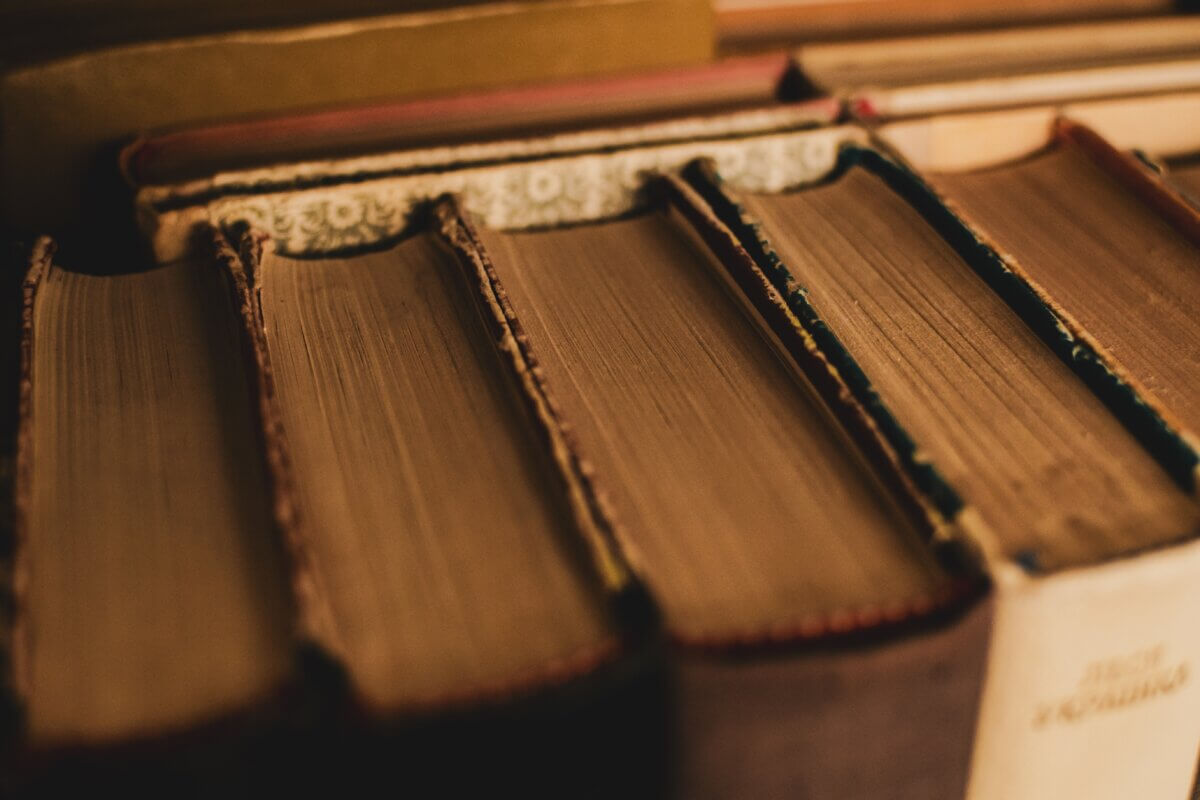
DENVER — Antique books can be incredibly valuable, but a new study finds they may also hold a costly secret. A concerning new study has discovered that cloth-bound books from the Victorian era could actually poison you if you touch them.
The vibrant colors and intricate designs in many of these texts often make them irresistible to collectors and history fans. However, a team from Lipscomb University has found that some of those eye-catching hues on old book covers might come from toxic dyes. So, the very thing that makes these books so appealing could also make them hazardous to everyone’s health.
A team of researchers from Lipscomb University in Tennessee has been investigating this issue, and they’re set to present their findings at the American Chemical Society’s fall meeting. Their study sheds light on a potential health risk that’s been lurking on library shelves and in private collections for over a century.
“These old books with toxic dyes may be in universities, public libraries and private collections,” says Abigail Hoermann, an undergraduate studying chemistry at Lipscomb University, in a media release. “So, we want to find a way to make it easy for everyone to be able to find what their exposure is to these books, and how to safely store them.”
How did these toxic dyes end up on book covers?
Well, it all goes back to the Victorian era of the 19th and early 20th centuries. It was a time when vibrant colors were all the rage. Bookbinders of the time used various pigments to create eye-catching covers, not realizing that some of these pigments contained harmful substances like arsenic, lead, and chromium.
The Lipscomb team’s interest in this topic was sparked when their university librarians approached the chemistry department with concerns about some colorful old books in their collection. The researchers were intrigued to learn about a similar project at the Winterthur Museum, Garden & Library, which had discovered an arsenic compound called copper acetoarsenite in some of their 19th-century books.
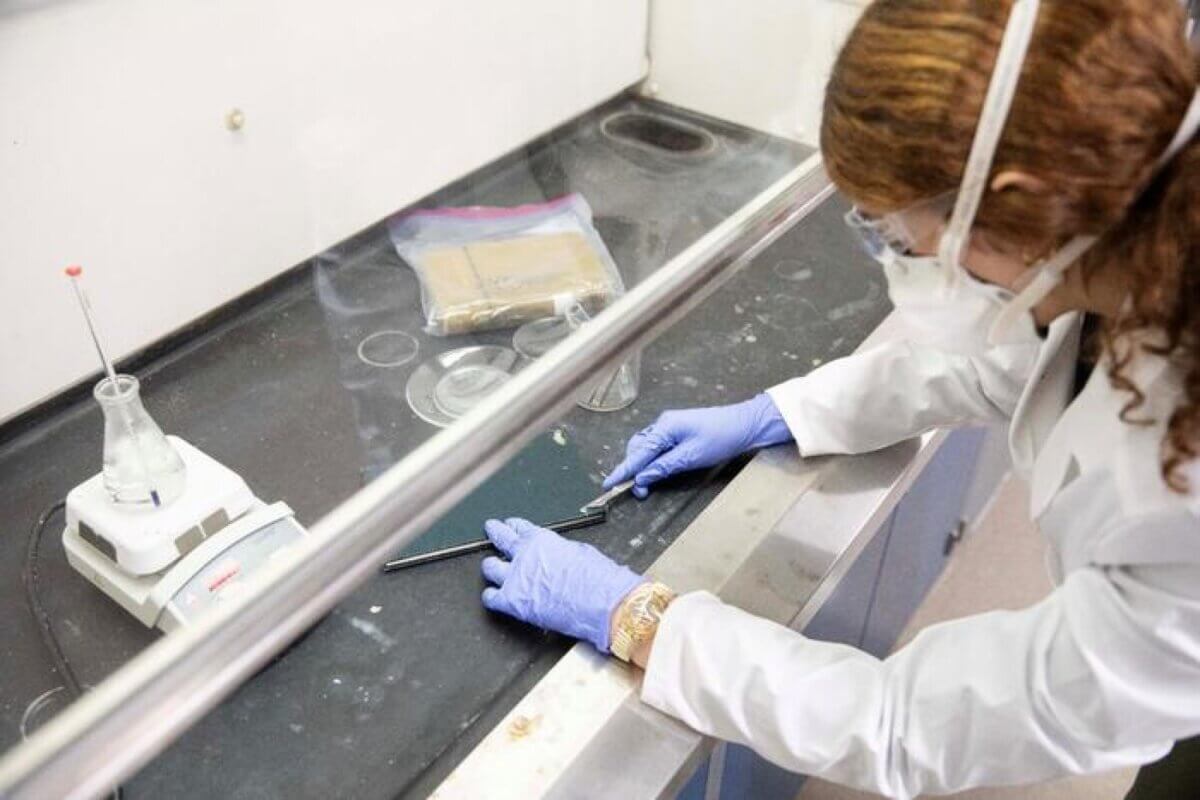
To investigate the Lipscomb books, the team used three different scientific techniques. First, they used X-ray fluorescence (XRF) to check for the presence of heavy metals in the book covers. Then, they used a method called inductively coupled plasma optical emission spectroscopy (ICP-OES) to measure exactly how much of these metals was present. Finally, they employed X-ray diffraction (XRD) to identify the specific pigment molecules containing these metals.
While the first two techniques have been used before to study potentially toxic books, the use of XRD is a groundbreaking development. As researcher Leila Ais explains, this is the first time it has been used to check for poison in books.
What did researchers find?
The results are pretty alarming. Some of the book covers contained high levels of lead and chromium. In fact, in the most contaminated cover, the lead concentration was more than twice the limit considered safe by the Centers for Disease Control and Prevention (CDC). Even more shocking, the chromium concentration was almost six times the CDC limit.
Now, you might be wondering, “What’s the big deal? It’s not like I’m eating these books.” Well, the problem is that these toxic pigments can rub off on your hands when you handle the books or even become airborne and be inhaled. Long-term exposure to these substances can lead to serious health problems, including cancer, lung damage, and fertility issues.
“I find it fascinating to know what previous generations thought was safe, and then we learn, oh, actually, that might not have been a great idea to use these brilliant dyes,” says Joseph Weinstein-Webb, the assistant chemistry professor leading the study.
What does this mean for 19th-century book collections?
Libraries and collectors may need to reassess how they handle and store these potentially dangerous books. At Lipscomb University, for example, colorful 19th-century books that haven’t been tested yet have been sealed in plastic zip-close bags as a precaution. Books confirmed to contain dangerous dyes have been removed from public circulation altogether.
Despite these changes, researchers say it’s not time for the public to panic. The study authors aren’t suggesting we need to purge our libraries of all old books. Instead, they’re working on developing safer ways to test and handle these potentially toxic tomes. They plan to contribute their findings to the Poison Book Project, a crowdsourced research effort aimed at identifying toxic pigments in books worldwide.
The team hopes their work will raise awareness among librarians, collectors, and book lovers about the potential risks associated with these beautiful but potentially dangerous books. They’re also encouraging other researchers to adopt their XRD testing method, which doesn’t require cutting samples from the books.
“Moving forward,” Hoermann concludes, “we want libraries to be able to test their collections without destroying them.”


