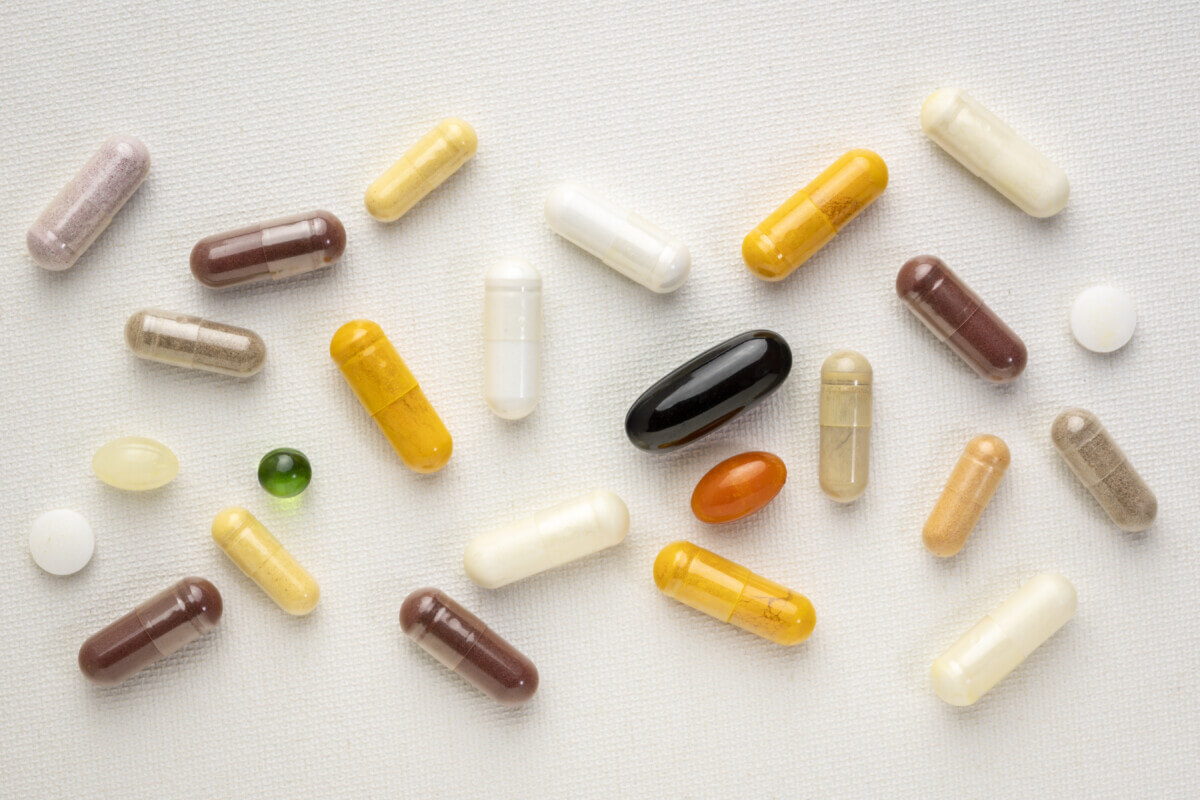
(© MarekPhotoDesign.com - stock.adobe.com)
ANN ARBOR, Mich. — That turmeric supplement you take for joint pain or the green tea extract promising weight loss may seem like a natural, healthy choice. But a new study reveals that millions of Americans are unknowingly exposing themselves to potentially toxic herbal products – in numbers rivaling those taking prescription medications known to cause liver damage.
Researchers at the University of Michigan found that an estimated 15.6 million U.S. adults use at least one of six herbal supplements linked to liver injury. This figure is comparable to the number of people taking common prescription drugs like statins or nonsteroidal anti-inflammatory drugs (NSAIDs), which carry warnings about potential liver toxicity.
The study, published in JAMA Network Open, examined the use of six common herbal supplements: turmeric, green tea extract, Garcinia cambogia, black cohosh, red yeast rice, and ashwagandha – all of which have been implicated in cases of drug-induced liver injury. These seemingly innocuous botanicals are flying under the radar, escaping the rigorous safety testing required for pharmaceuticals.
“Herbal and dietary supplements (HDSs) include a multitude of products consumed by millions of people every day to improve their general health and to treat minor ailments,” study first author Dr. Alisa Likhitsup and the team write in their report.
The most widely used supplement in the study was turmeric, consumed by an estimated 11.4 million adults. Often touted for its anti-inflammatory properties, turmeric has been linked to several cases of severe liver injury. Green tea extract, used by about 3.3 million people, was the second most common. Despite its reputation as a weight loss aid, it has been associated with liver damage, particularly when taken in high doses.
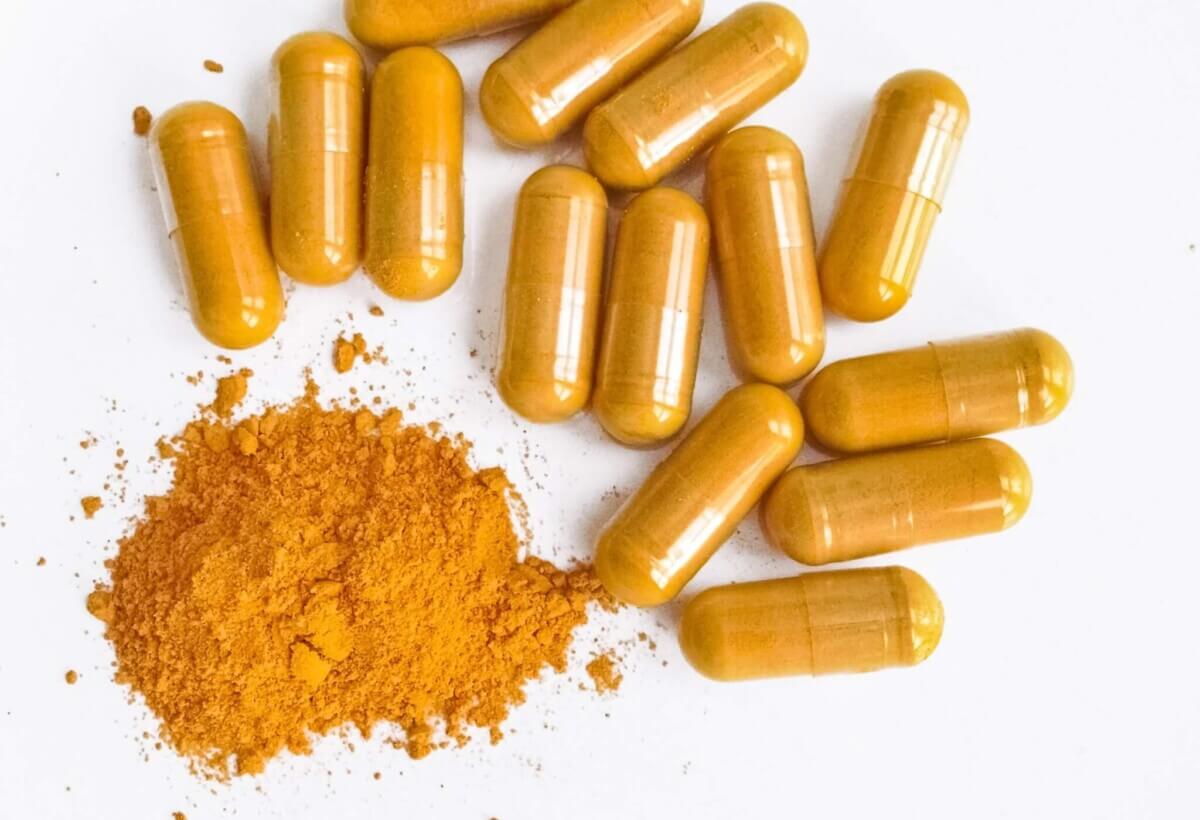
“The largest group of HDS products used include multivitamins, minerals, vitamin D, omega-3 fatty acid, and calcium with well-defined ingredients on the label. However, an estimated 5% to 12% of HDS products are plant-derived, complex multi-ingredient botanicals,” the researchers explain.
What makes these findings particularly concerning is the lack of regulation surrounding dietary supplements. Unlike prescription drugs, which undergo extensive clinical trials before hitting the market, supplements are largely unregulated. The FDA doesn’t require manufacturers to prove their products are safe or effective before selling them.
This regulatory gap means that what’s on the label may not match what’s in the bottle. Previous studies have found significant discrepancies between the ingredients listed on supplement labels and what chemical analysis reveals. In some cases, products contained unlisted ingredients or contaminants that could pose health risks.
“Chemical analyses of HDS products associated with confirmed liver toxic effects show frequent discrepancies between product labels and detected ingredients,” the authors note.
The study also sheds light on who’s taking these potentially risky supplements. Users tended to be female, older, more educated, non-Hispanic, and more likely to have chronic conditions like arthritis.
Interestingly, the vast majority of people taking these supplements did so without a healthcare provider’s recommendation. Many users reported taking the products to improve or maintain their health, prevent health problems, or boost immunity. For example, most turmeric users took it for joint health or arthritis, while Garcinia cambogia was primarily used for weight loss.
The researchers stress that not everyone who takes these supplements will experience liver problems. But given the widespread use and potential for harm, they argue for increased awareness among both consumers and healthcare providers.
So what should supplement users do? The study authors recommend talking to your doctor before starting any new supplement regimen, especially if you have existing health conditions or take other medications. Be wary of products promising miracle cures or dramatic results, and stick to reputable brands that undergo third-party testing.
As the herbal supplement industry continues to grow, with sales reaching over $150 billion in 2023, it’s more important than ever for consumers to be informed about what they’re putting into their bodies. Remember, “natural” doesn’t always mean safe. When it comes to your health, a healthy dose of skepticism might be the best supplement of all.
Paper Summary
Methodology
The researchers used data from the National Health and Nutrition Examination Survey (NHANES), a large-scale study that regularly collects health information from a representative sample of the U.S. population. They looked at data from 9,685 adults surveyed between 2017 and early 2020. Participants were asked about their use of dietary supplements in the past 30 days. The researchers then identified users of the six specific botanical products of interest and compared their characteristics to non-users of herbal supplements.
Key Results
Out of nearly 10,000 adults surveyed, about 4.7% reported using at least one of the six botanicals of interest. This translates to an estimated 15.6 million U.S. adults. Turmeric was the most commonly used, followed by green tea extract, ashwagandha, black cohosh, Garcinia cambogia, and red yeast rice. Users of these supplements were more likely to be older, female, non-Hispanic white, and have higher education and income levels. They were also more likely to have certain chronic conditions, particularly arthritis.
Study Limitations
The study relied on self-reported data, which can be subject to recall bias. Also, because it was a cross-sectional study (a snapshot in time), it couldn’t determine if supplement use actually caused any liver problems. The study also couldn’t verify the exact contents of the supplements people were taking, as herbal products can vary widely in their composition.
Discussion & Takeaways
The researchers emphasize that while these supplements are popular, they’re not regulated like prescription drugs. This means their safety and effectiveness aren’t thoroughly tested before they hit the market. The study highlights the need for more research into the potential risks of these products and better education for both healthcare providers and the public about herbal supplement use.
The authors suggest that healthcare providers should routinely ask patients about supplement use and that consumers should be more cautious about taking these products without medical advice. They also call for more stringent regulation of the herbal supplement industry to ensure product safety.
Funding and Disclosures
The study was conducted by researchers at the University of Michigan and didn’t report any specific external funding. Two of the authors disclosed receiving grants from pharmaceutical companies for unrelated research, but these relationships were not considered to influence the current study. The authors emphasized that their goal was to raise awareness about potential supplement risks, not to discourage all supplement use.


Umm. So what is the scientific conclusion? Sorry I wasted time reading this article.