
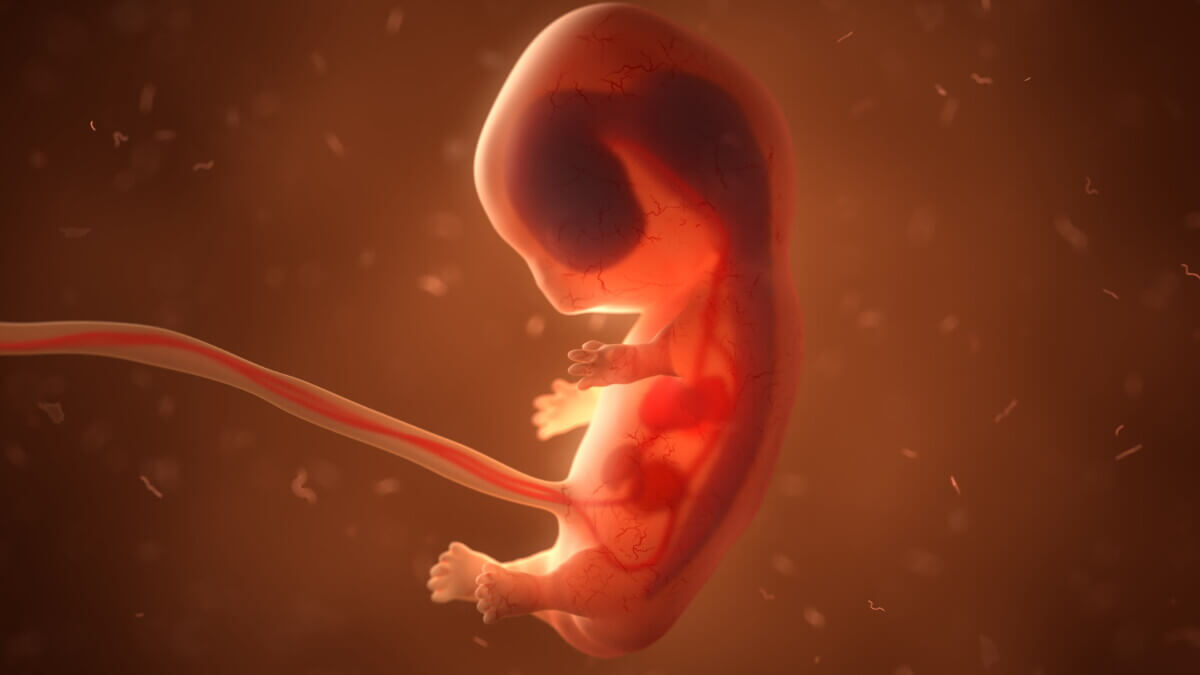
(Credit: © Katrina Trninich | Dreamstime.com)
Largest study of its kind reveals boys have greater brain volume while girls have more gray matter.
CAMBRIDGE, England — The age-old debate about differences between male and female brains has taken a dramatic turn with new evidence suggesting these variations begin before a baby’s first cry. In the largest study of its kind, researchers at Cambridge University’s Autism Research Centre have discovered that structural brain differences between the sexes don’t gradually emerge through childhood — they’re already established at birth.
Brain development during the first few weeks of life occurs at a remarkably rapid pace, making this period particularly crucial for understanding how sex differences in the brain emerge and evolve. Previous research has primarily focused on older infants, children, and adults, leaving a significant gap in our understanding of the earliest stages of brain development.
The research team analyzed brain scans of 514 newborns (236 females and 278 males) aged 0-28 days using data from the developing Human Connectome Project. The study, published in the journal Biology of Sex Differences, represents one of the largest and most comprehensive investigations of sex differences in neonatal brain structure to date, addressing a common limitation of past research: small sample sizes.
Male newborns showed larger overall brain volumes compared to females, even after accounting for differences in birth weight. This finding was particularly significant because the research team carefully controlled for body size differences between sexes, a factor that has complicated previous studies in this field.
When controlling for total brain volume, female babies exhibited greater amounts of gray matter — the outer brain tissue containing nerve cell bodies and dendrites responsible for processing and interpreting information, such as sensation, perception, learning, speech, and cognition. Meanwhile, male infants had higher volumes of white matter, which consists of long nerve fibers (axons) that connect different brain regions together.
“Our study settles an age-old question of whether male and female brains differ at birth,” says lead author Yumnah Khan, a PhD student at the Autism Research Centre, in a statement. “We know there are differences in the brains of older children and adults, but our findings show that they are already present in the earliest days of life.”
Several specific brain regions showed notable differences between males and females. Female newborns had larger volumes in areas related to memory and emotional regulation, while male infants showed greater volume in regions involved in sensory processing and motor control.
Dr. Alex Tsompanidis, who supervised the study, emphasizes its methodological rigor: “This is the largest such study to date, and we took additional factors into account, such as birth weight, to ensure that these differences are specific to the brain and not due to general size differences between the sexes.”
The research team is now investigating potential prenatal factors that might contribute to these differences. “To understand why males and females show differences in their relative grey and white matter volume, we are now studying the conditions of the prenatal environment, using population birth records, as well as in vitro cellular models of the developing brain,” explains Dr. Tsompanidis.
Importantly, the researchers stress that these findings represent group averages rather than individual characteristics.
“The differences we see do not apply to all males or all females, but are only seen when you compare groups of males and females together,” says Dr. Carrie Allison, Deputy Director of the Autism Research Centre. “There is a lot of variation within, and a lot of overlap between, each group.”
These findings mark a significant step forward in understanding early brain development, while raising new questions about the role of prenatal factors in shaping neurological differences. The research team’s ongoing investigations into prenatal conditions and cellular models may soon provide even more insights into how these sex-based variations emerge.
“These differences do not imply the brains of males and females are better or worse. It’s just one example of neurodiversity,” says Professor Simon Baron-Cohen, Director of the Autism Research Centre. “This research may be helpful in understanding other kinds of neurodiversity, such as the brain in children who are later diagnosed as autistic, since this is diagnosed more often in males.”
Paper Summary
Methodology Explained
The researchers used magnetic resonance imaging (MRI) to scan the brains of healthy, full-term newborns without sedation. They carefully controlled for factors like birth weight and age at scanning. The images were processed using specialized software designed for analyzing newborn brains, which separated different tissue types and measured volumes of specific brain regions. Statistical analyses compared these measurements between males and females while accounting for various factors that could influence the results.
Key Results
Males showed 6.16% larger total brain volume and 5.64% larger intracranial volume (total space inside the skull) compared to females, even after accounting for birth weight. Females showed relatively larger gray matter volumes, while males had relatively larger white matter volumes when controlling for overall brain size. Specific regions showed sex differences with small to medium effect sizes, meaning the differences were consistent but not dramatic.
Study Limitations
The study wasn’t longitudinal, meaning it couldn’t track how individual brains changed over time. The researchers couldn’t establish direct causal relationships between prenatal factors (like hormones) and brain differences. Additionally, brain structure differences don’t necessarily translate to functional differences, and the study couldn’t account for all possible social and environmental influences.
Discussion and Takeaways
The research suggests three patterns: some sex differences present at birth persist throughout life, some appear later in development, and some are unique to the newborn period. This indicates that both prenatal and postnatal factors shape sex differences in the brain, with prenatal factors playing a particularly important role in establishing initial differences.
Funding and Disclosures
The study was funded by several organizations including the European Research Council, Wellcome Trust, Innovative Medicines Initiative, Cambridge University Development and Research, Trinity College, the Cambridge Trust, and the Simons Foundation Autism Research Initiative. One author disclosed being a director of and holding equity in Centile Bioscience Ltd.
Publication Information
Published in Biology of Sex Differences (2024) 15:81, the study titled “Sex Differences in Human Brain Structure at Birth” was conducted by researchers primarily from the University of Cambridge, with lead author Yumnah T. Khan and corresponding author Simon Baron-Cohen.


